
Last updated November 15, 2026
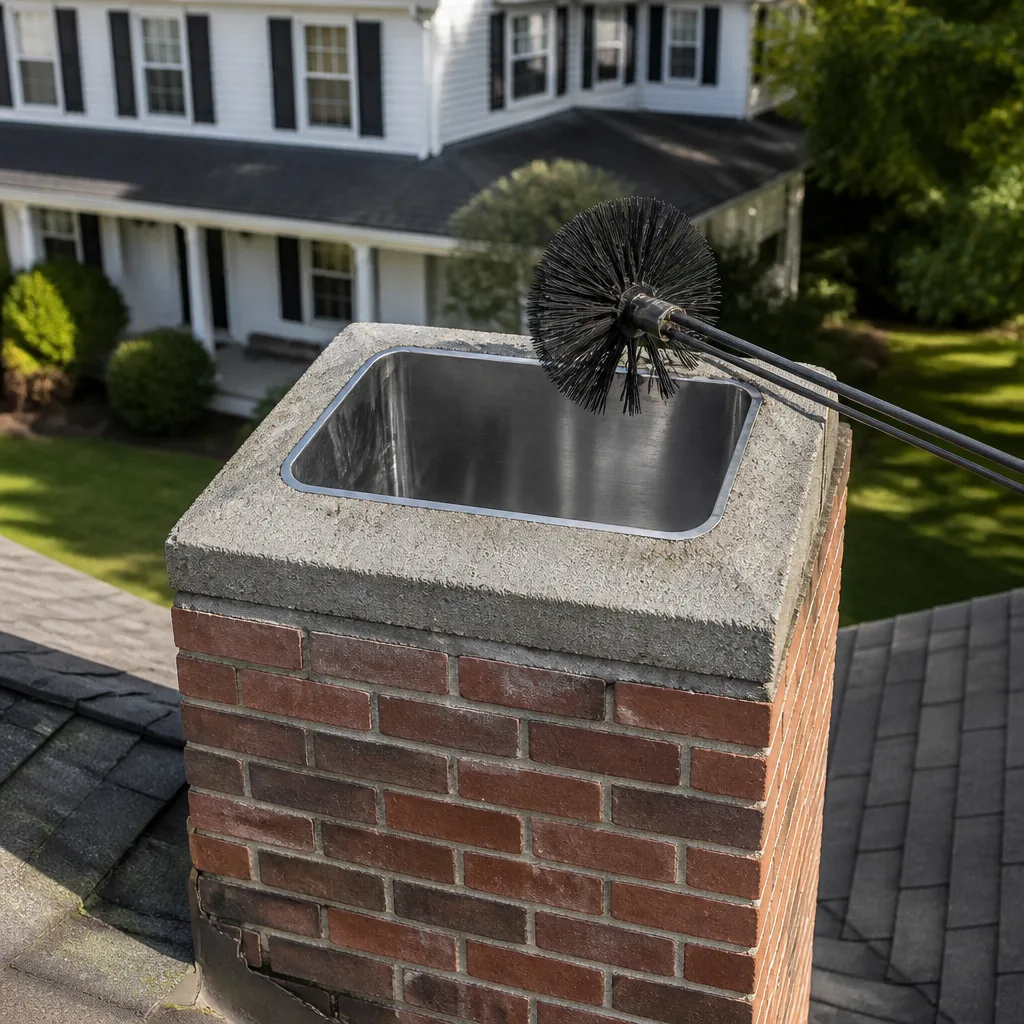 Sweep & inspection
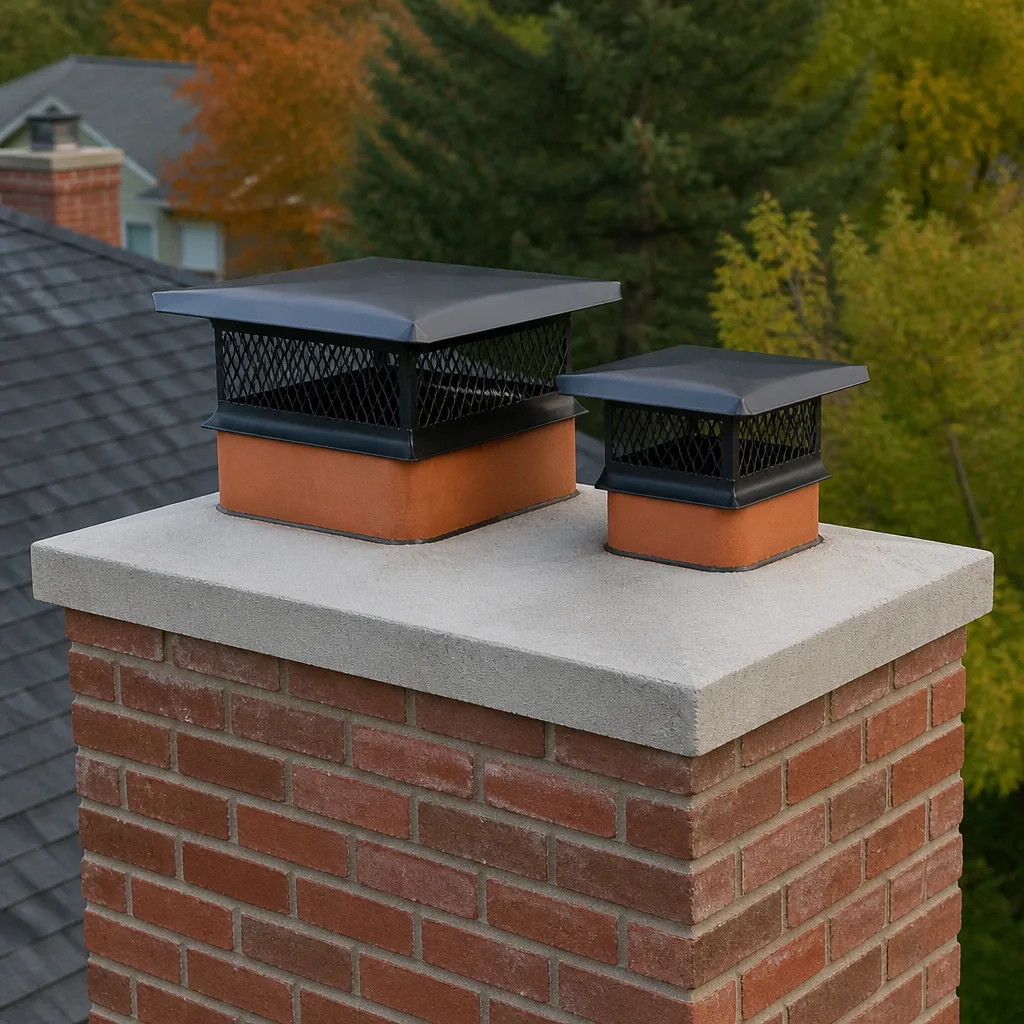 Caps & crowns
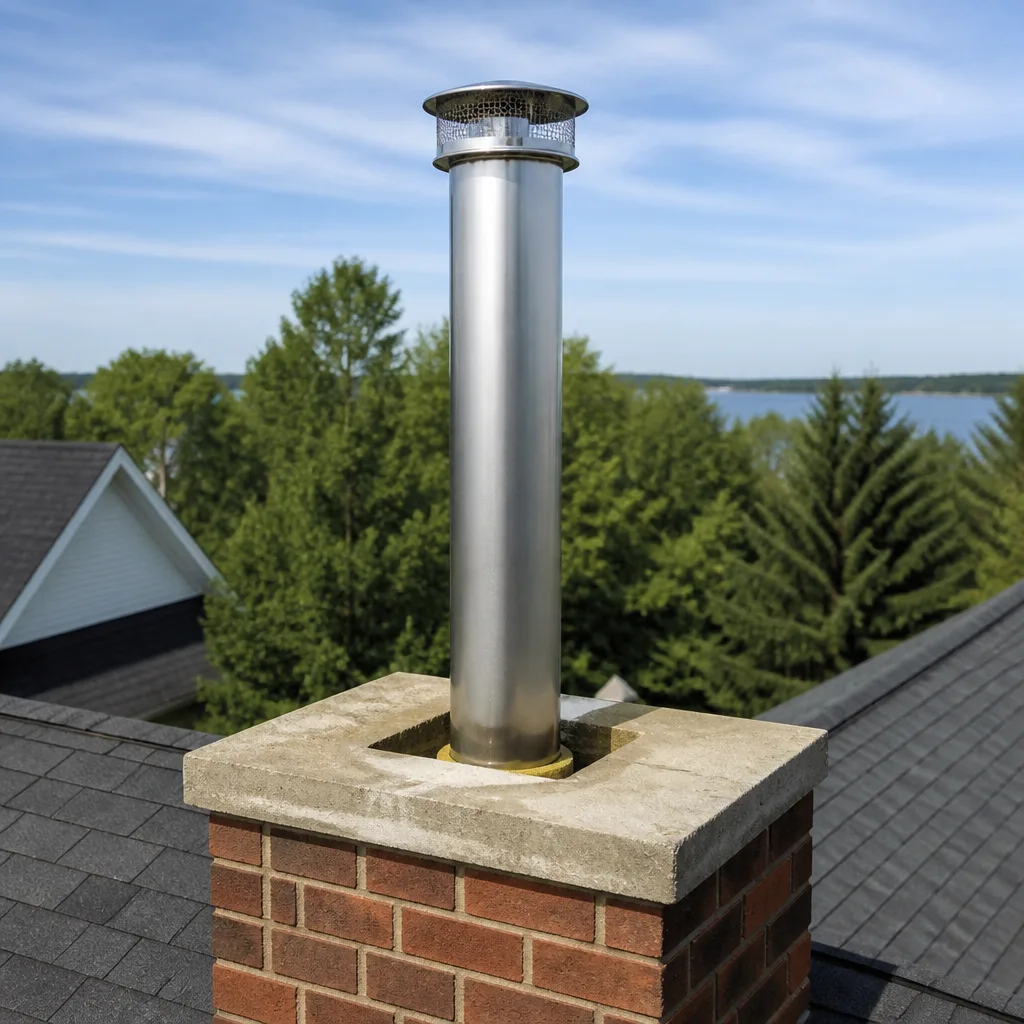 Flue relining
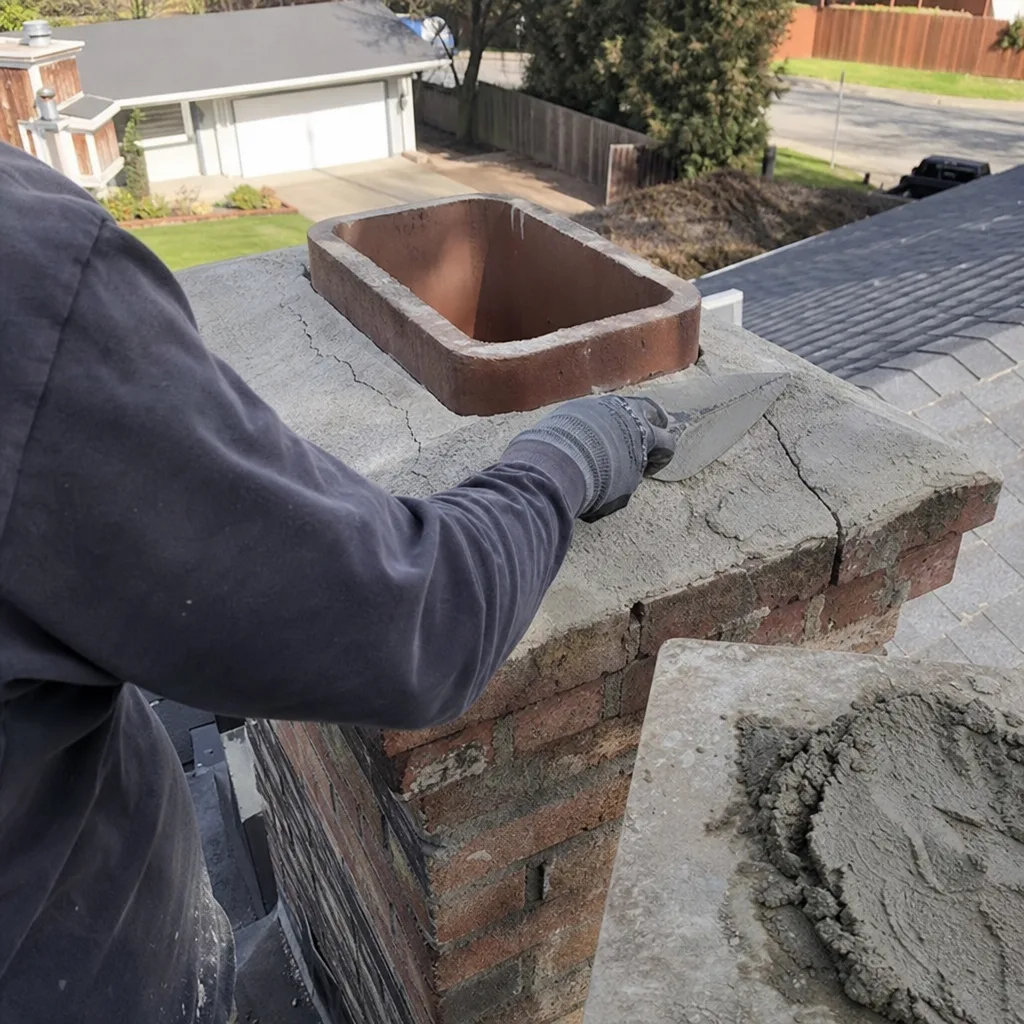
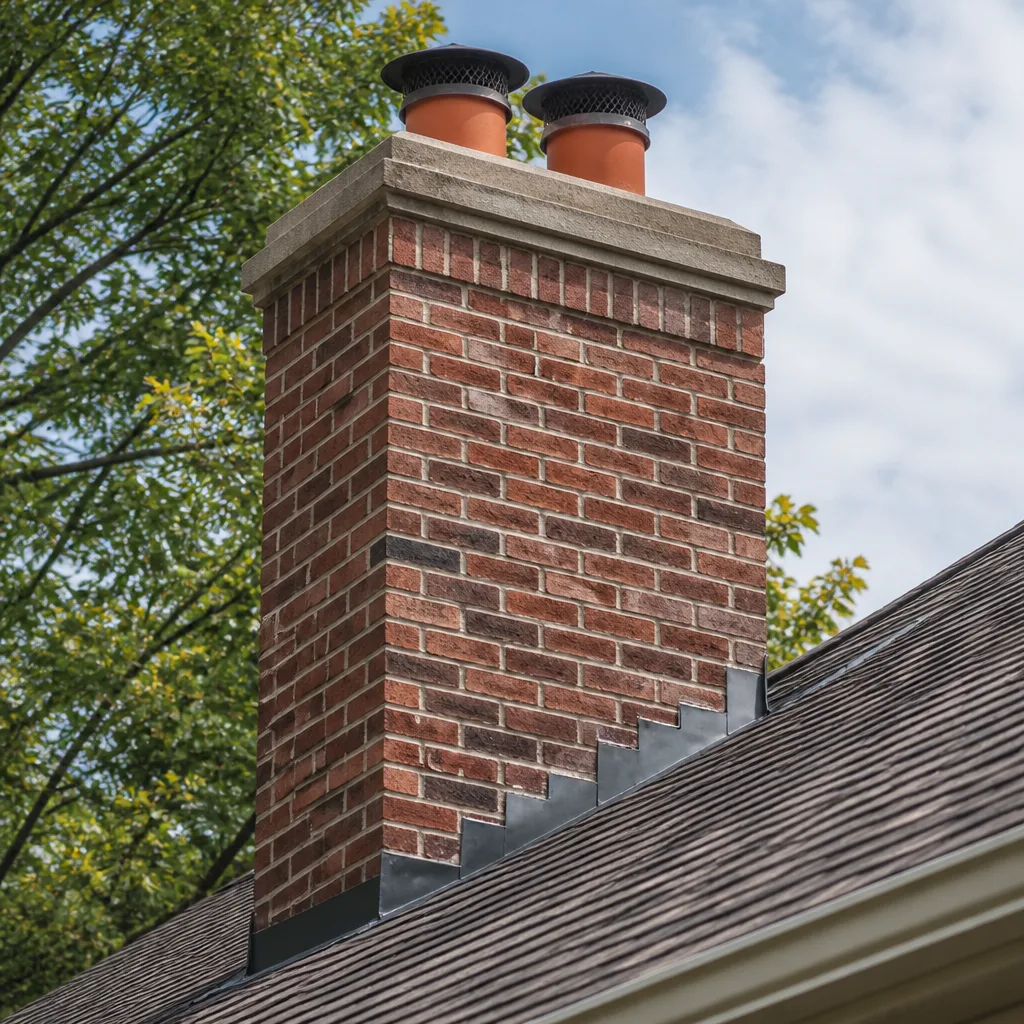 Masonry repair
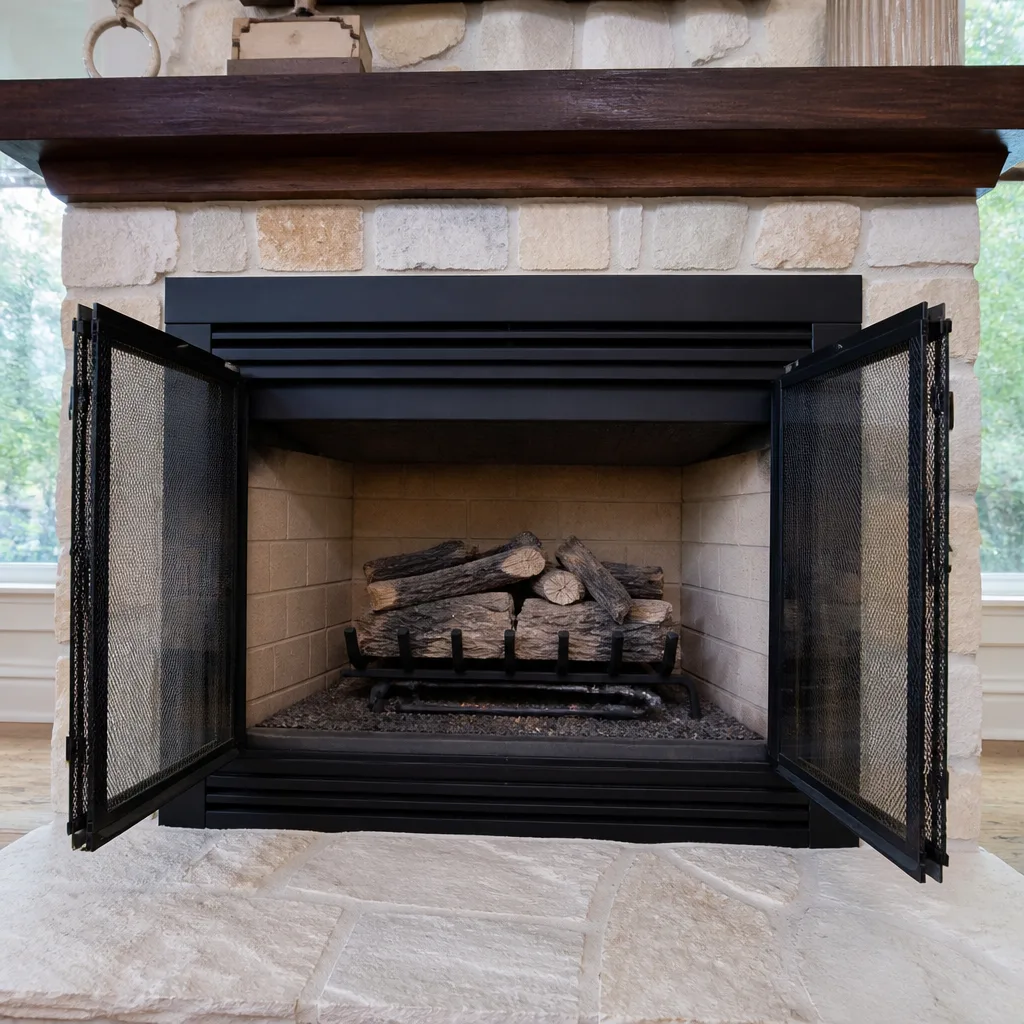 Gas fireplace service
Level 1 sweep and inspection to the NFPA 211 annual standard - flue, crown, cap, and flashing checked and photographed
Chimney sweep logs do not sweep chimneys. They loosen some creosote - which then falls where a brush and vacuum still have to collect it.
Seasonal Chimney Cleaning Care for Roseville: Year-Round Homeowner’s Guide
Most chimney guidance is written for places with long, cold winters and a hard freeze that signals the end of burn season. Roseville doesn’t work that way. Here, fireplaces sit idle through months of triple-digit heat, and the creosote left inside the flue from last winter gets baked and oxidized all summer long. That single fact flips the national advice on its head. Waiting until the first cold snap to think about your chimney is the wrong rhythm for this climate, and it makes the cleaning harder and the fire risk higher. This guide lays out a season-by-season pattern built for Roseville homes, so you know what to check in spring, why late summer is the smartest time to book, what a real fall prep includes, and which winter warning signs mean you shouldn’t wait for next year.
Quick Answer
In Roseville, the best time to clean a chimney is late summer, before the first fire of the season, because the dry heat of June through September hardens creosote into tougher deposits that are more difficult and more dangerous to remove later. Spring is for inspecting what winter and the March rains left behind, fall is for a proper pre-season sweep and safety check, and winter calls for watching for warning signs rather than scheduling a routine cleaning.
Styles & brands we work with
- Sweep & inspection
- Caps & crowns
- Flue relining
- Masonry repair
- Gas fireplace service
Table of Contents
- Why Roseville’s Climate Changes the Chimney Calendar
- How Summer Heat Affects Creosote (and Cleaning Difficulty)
- Spring: What to Check After Burn Season Ends
- Summer: The Best Scheduling Window in Roseville
- Fall: What a Pre-Season Sweep Should Actually Include
- Winter: Warning Signs That Warrant an Unscheduled Inspection
- Common Mistakes to Avoid
- When to Call a Professional
Why Roseville’s Climate Changes the Chimney Calendar
National chimney advice assumes a simple cycle: burn all winter, clean in the fall, repeat. That works in climates where the air stays cold and relatively damp through the burn months. Roseville runs closer to a Mediterranean pattern, with a rainy cool season and a long, dry, hot summer. The burn season here is shorter than in cold-country states, and the off-season is far hotter and drier than most of the country ever experiences. Both of those facts matter for how creosote behaves inside your flue.
The practical result is that the shoulder seasons carry the weight. Spring and fall are the two moments when the chimney actually transitions, and each one calls for a different task. In between, summer is a long stretch of heat that quietly changes the deposits left from last winter. If you only think about the chimney once a year in October, you’re cleaning at the point where the buildup is at its hardest to remove.
There’s a second local wrinkle. Many Roseville homes were built with wood-burning fireplaces that see occasional use rather than daily fires, plus a growing number of gas inserts and wood stoves. A fireplace that burns a dozen times a season still accumulates creosote, and a gas insert still needs its venting checked even though it produces no wood smoke. Different appliances, same seasonal discipline.
- Shorter burn season: fewer fires, but the off-season is hotter and drier than national averages.
- Long hot off-season: roughly June through September of high heat that affects what’s left inside the flue.
- Mixed appliance types: wood fireplaces, wood stoves, and gas inserts each need their own inspection rhythm.
- March rain: the wet month that follows burn season and tests your chimney’s exterior and flashing.
How Summer Heat Affects Creosote (and Cleaning Difficulty)
Creosote is the residue of incomplete wood combustion that condenses inside a flue. It doesn’t just sit there unchanged. Over time it can harden and oxidize, and warmth speeds that process. In a humid climate, that hardening is slowed by moisture in the air. In Roseville’s dry summer heat, the deposits left from last winter dry out thoroughly and cure into a glaze that clings to the flue walls much more stubbornly than fresh, soft creosote does.
This is why the timing of a chimney sweep matters so much here. Soft, fresh creosote brushes out fairly readily. The glazed, baked-on variety is tougher, takes longer, and in the worst cases needs chemical treatment or mechanical rotary tools to remove safely. A chimney cleaned in late summer before the heat has had a full season to bake the deposits is a simpler job than the same chimney cleaned in December after a long dry summer has done its work.
It’s also a safety point, not just a convenience one. Glazed creosote is the most flammable form, and it’s the fuel that chimney fires feed on. The longer it bakes in summer heat, the more of it there is in its most combustible state. Cleaning it out before the first fire of the season removes that fuel load at the point it matters most.
We specify professional-grade products like Gelco and HeatShield for exactly this reason. Gelco is a creosote conversion treatment that chemically changes glazed deposits into a brushable ash, and HeatShield is a ceramic resurfacing system used for flue restoration. Both are the kind of materials that general handymen don’t carry. When the residue is stubborn, the right product matters more than the brush.
Spring: What to Check After Burn Season Ends
Once the fires stop in spring, the chimney starts a new job: it has to stay dry through the last of the wet weather. In Roseville, that usually means the March rain events, which arrive right after the burn season and test every seam, cap, and flashing on the outside of the chimney. A small leak that went unnoticed all winter can let water into the flue and the masonry, and water is the enemy of a chimney’s structure.
Spring is the season for inspection, not necessarily cleaning. The fires have only just stopped, so the deposits are as soft as they’ll ever be, but there may not be enough of them yet to warrant a sweep. What matters is checking for problems the winter and the rain may have created. A spring check should cover these areas:
- Chimney cap and crown: look for cracks in the concrete crown and missing or damaged cap screens.
- Flashing: the metal that seals the chimney to the roof is a common leak point after rain. Check for lifting or gaps.
- Exterior masonry: loose bricks, crumbling mortar joints, or stains that suggest water is finding a way in.
- Damper operation: open and close it fully. A damper that sticks or won’t seal lets conditioned air and money escape year-round.
- Firebox condition: cracked firebrick or gaps in the mortar of the firebox, which can let heat reach the structure behind it.
- Creosote level: a quick assessment of how much buildup is present so you know whether a summer cleaning will be needed.
Spring is also when a gas insert’s venting should be checked, since those appliances run all year in some homes. If anything turns up in the spring check, a proper chimney repair can be scheduled during the slow summer months rather than jammed into October. We carry Famco and Copperfield components for the fittings and terminations these repairs often call for.
Summer: The Best Scheduling Window in Roseville
Late summer is the sweet spot for a chimney cleaning in Roseville. The reasoning is simple: you want the sweep done before the first fire of the season, but after the summer heat has had its chance to dry and oxidize the creosote. That window is roughly late August into September, right before the evenings start to cool and homeowners begin thinking about that first log.
There’s a scheduling advantage, too. Summer is the quiet season for chimney work, because most homeowners follow the national advice and book in the fall. In Roseville, where the real transition happens in late summer, booking then means shorter wait times and more flexibility on the calendar. You’re not competing with everyone who suddenly remembered the chimney the first week the temperature dropped.
A summer sweep should be treated as the main cleaning of the year. It’s the one that removes a full season’s worth of deposits before they’re fired up again. It’s also the moment to have the whole system looked over while there’s still time to schedule any repair well before fall. A typical summer appointment should leave you with:
- A cleaned flue with the creosote removed, not just loosened.
- A camera inspection of the flue interior so you can see the condition for yourself.
- A photo report documenting what was found and what it means.
- A clear answer on whether any repair should happen now or can safely wait.
One thing worth saying plainly: nobody should be told they need a new liner or major masonry work without camera evidence they can see. If a summer inspection shows the flue is in good shape and the work can wait until next year, we say so. That’s the whole point of an inspection done by the people who will also do the repair. Your chimney is inspected, cleaned, and repaired by the same company, so there’s no second contractor to follow up on what the first one found.
Fall: What a Pre-Season Sweep Should Actually Include
Fall is when the chimney gets ready to work again, and a pre-season sweep should be more than a quick brushing. A basic cleaning gets soot and creosote off the flue walls. A proper pre-season service checks the parts that determine whether the fireplace will actually draw well and burn safely all season. The difference shows up on the first cold night, when smoke should go up the chimney and not into the room.
A thorough fall prep should cover the components a basic cleaning tends to skip. The damper seal is one. A damper that won’t close tight lets warm air escape up the flue when the fireplace isn’t in use, and one that won’t open fully restricts the draft. The smoke chamber is another. It’s the sloped area just above the damper, and rough or coated surfaces there can slow smoke and encourage creosote to collect. Smoothing and coating the smoke chamber with a product like HeatShield improves draft and gives the surface a clean, sealed finish.
Fall is also the right time to address the liner. A flue that’s cracked, deteriorated, or unlined is a hazard, and if the summer inspection flagged it, the repair should be done before burn season rather than after. DuraFlex flexible liner systems are specified by name for safe, code-compliant relining because they’re purpose-built for the job, not repurposed components. A pre-season sweep that turns up a liner problem and solves it before October is far better than one that finds it in the middle of winter.
- Full flue cleaning: remove creosote and soot from the flue, firebox, and smoke shelf.
- Damper check and seal: confirm it opens fully and closes tight.
- Smoke chamber assessment: look for rough or coated surfaces that affect draft.
- Liner condition: inspect for cracks or gaps, and repair or reline if needed.
- Cap and spark screen: make sure the cap is secure and the screen is intact, so animals and debris stay out.
- Clearance check: confirm nearby combustibles are at a safe distance from the firebox opening.
A chimney inspection isn’t a formality. It’s a fire-safety checkpoint, and fall is when that checkpoint matters most.
Winter: Warning Signs That Warrant an Unscheduled Inspection
If you cleaned in late summer, you shouldn’t need another routine cleaning mid-winter. But winter is when problems that were missed or that developed after the sweep become visible. Some warning signs warrant an inspection even though the calendar says you’re covered. Catching them early prevents damage and, in the worst case, a chimney fire.
Watch for these signals during the burn season:
- Smoke backing into the room: a fireplace that used to draw well but now smokes is telling you something has changed in the flue or the fire’s draft.
- A strong, sharp smell of creosote: often worse on warm days when the draft is weak. It can mean heavy deposits have built up faster than expected.
- Black or brown staining on the chimney exterior: a sign that creosote or water is escaping where it shouldn’t.
- A popping or rumbling sound from the flue: this can be a sign of a chimney fire. If you suspect one, get everyone out and call the fire department before anything else.
- Visible damage after a storm: cracked masonry, a loose cap, or debris from a wind event can open the door to water and animals.
- A carbon monoxide detector sounding: leave the house and call for help. A blocked or damaged flue can let combustion gases back into the home.
None of these should wait for the next scheduled cleaning. A mid-season inspection is the responsible move. When you call, we answer 24/7, and fast dispatch runs from 7am to 7pm. If you reach us outside dispatch hours, the call gets booked into the next opening.
Common Mistakes to Avoid
- Following national “clean before winter” advice to the letter. In Roseville, the cleaning should happen late summer, before the heat has fully baked the creosote. Waiting until the first cold snap means cleaning harder deposits.
- Skipping the spring check because it wasn’t a cold winter. The March rain events test the chimney’s exterior regardless of how much you burned. Water intrusion from a cracked crown or failing flashing doesn’t announce itself.
- Booking the fall rush. Everyone remembers the chimney in October. Scheduling in late summer means shorter wait times and a repair window that isn’t squeezed against the first fire.
- Treating a basic cleaning as a full pre-season service. A sweep that ignores the damper seal, smoke chamber, and liner condition isn’t a safety check. Those are the parts that fail silently.
- Accepting a major repair recommendation without camera evidence. You should be able to see the flue interior on camera and get photos before anyone sells you a liner or masonry work. Nothing should be recommended without evidence you can review.
- Assuming a gas insert needs no attention. A gas insert produces no wood creosote, but its venting still needs checking, and it still vents combustion gases out of your home.
- Ignoring an off-season smell. A creosote smell in summer or early fall often means deposits are heavier than you expect. It’s a reason to book, not to wait.
When to Call a Professional
Some chimney tasks are seasonal housekeeping. Others belong to a trained specialist. Call a professional if you smell strong creosote on warm days, if smoke backs into the room, if you see staining or cracked masonry on the chimney exterior, if your carbon monoxide detector has sounded, or if you’ve never had the flue inspected and don’t know its condition. Call as well if the flue is unlined or you suspect it’s damaged, because relining with a system like DuraFlex is a job for someone who does it as their specialty. Chimney work is all we do, which means the person inspecting your flue is also equipped to repair it. Chimney Sweep Roseville offers free estimates in Roseville. Call (833) 946-0150. Our technicians have up to 9 years of experience, and every inspection is backed by camera evidence and a photo report you can review.
See the difference
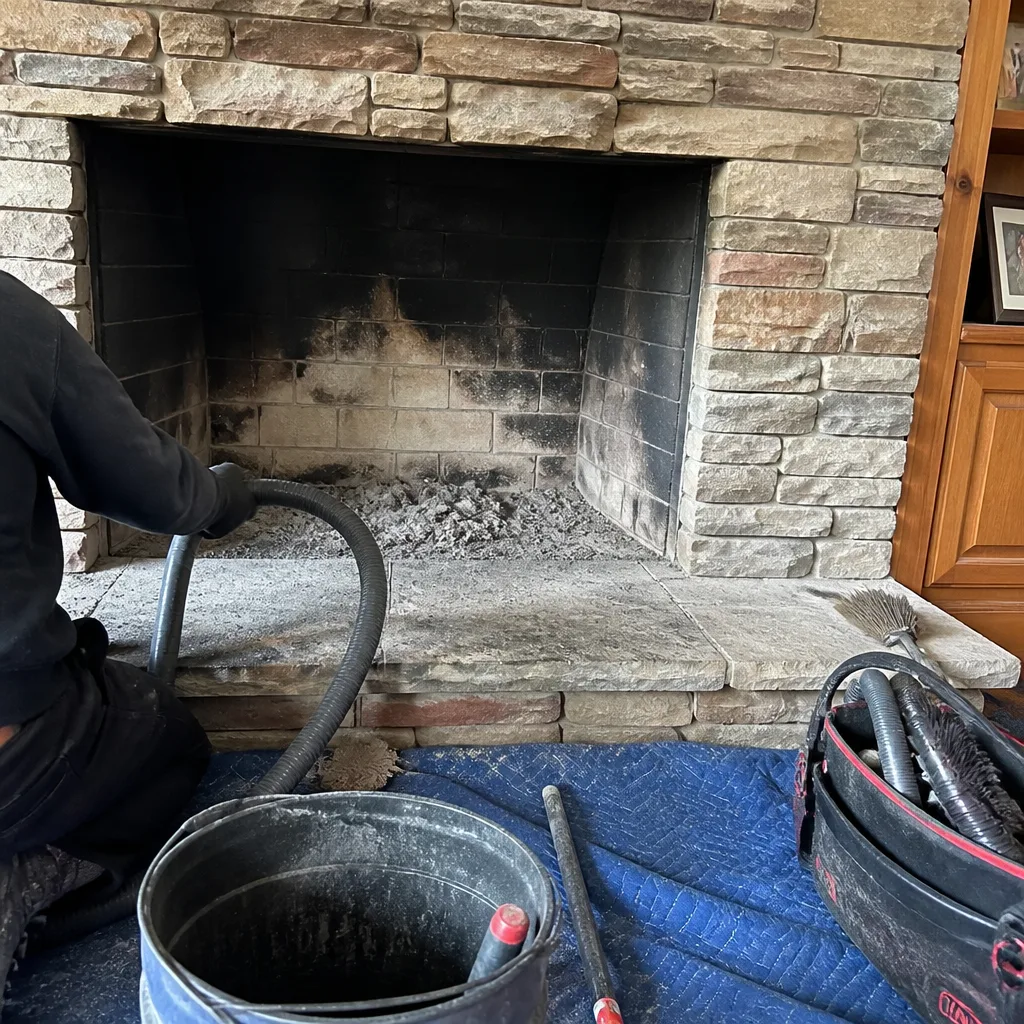 Before
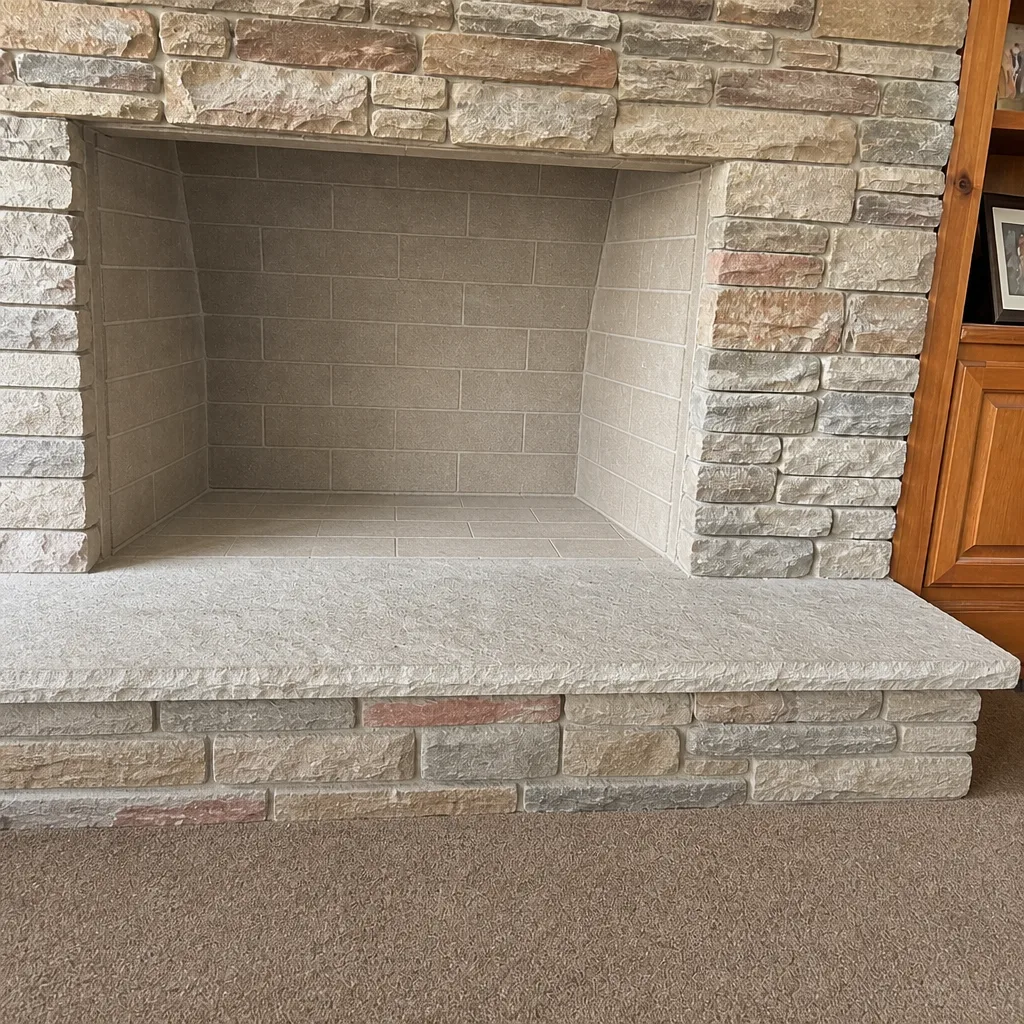 After
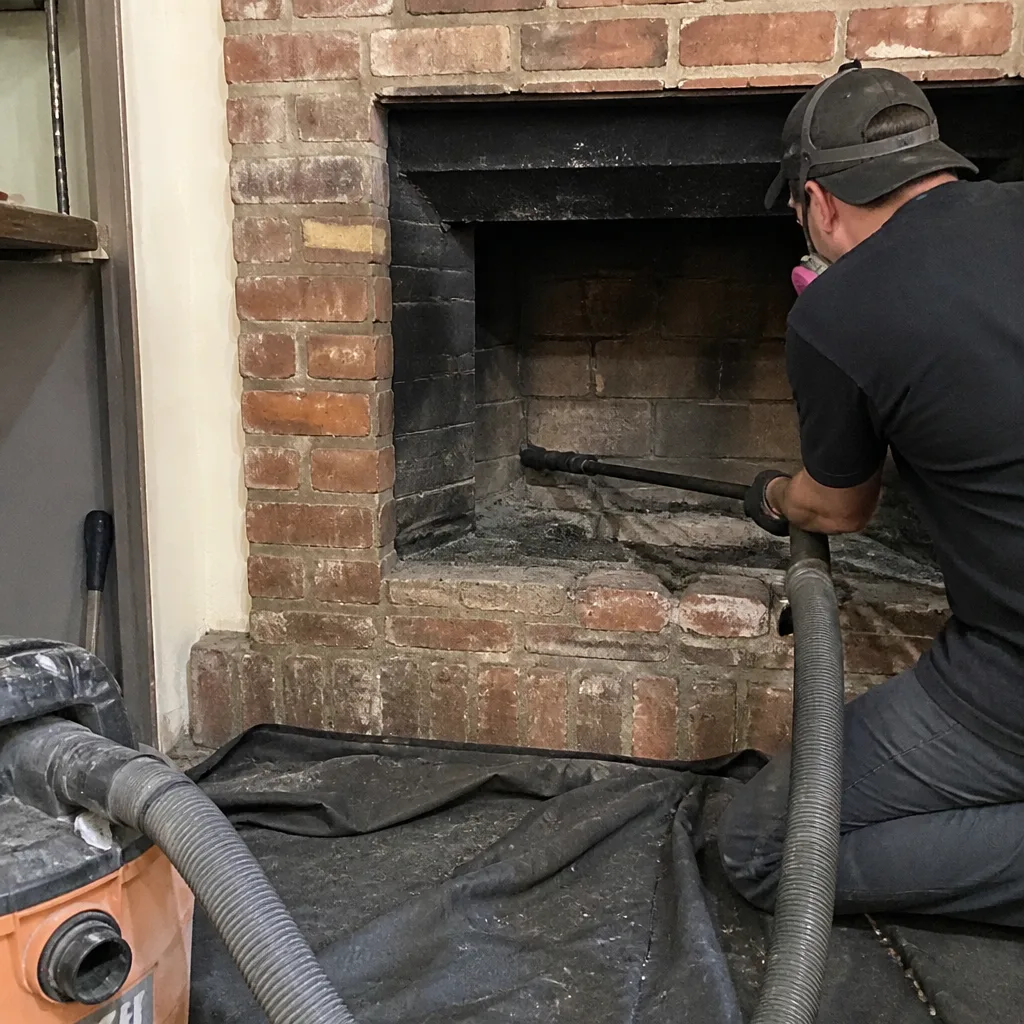 Before
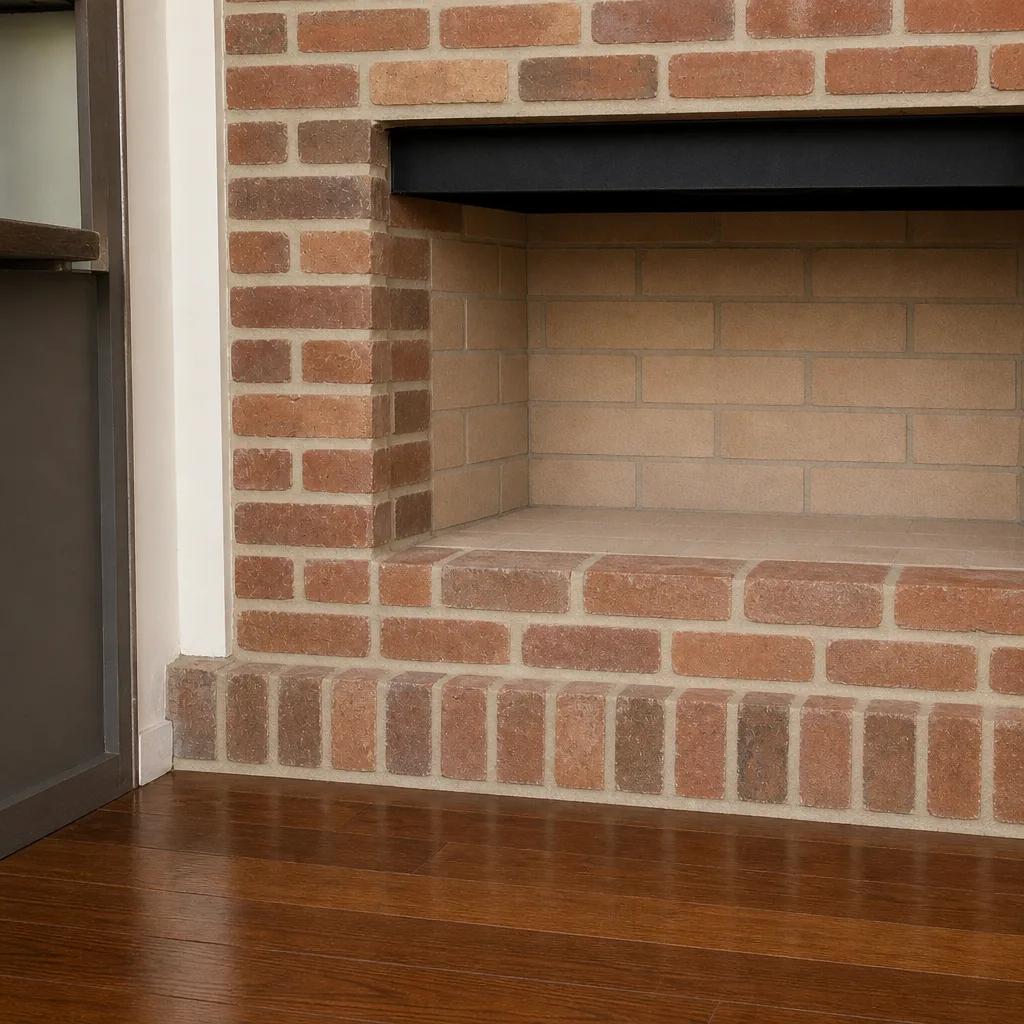 After
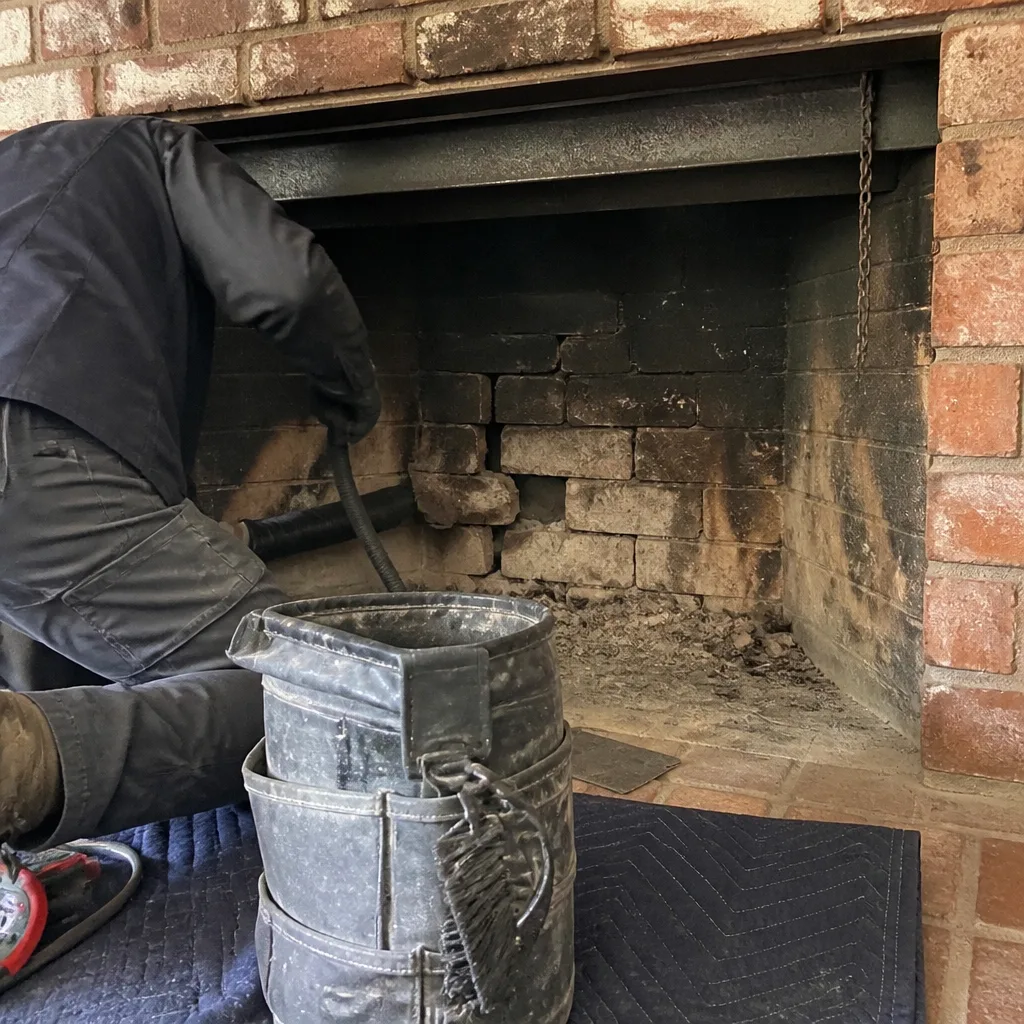 Before
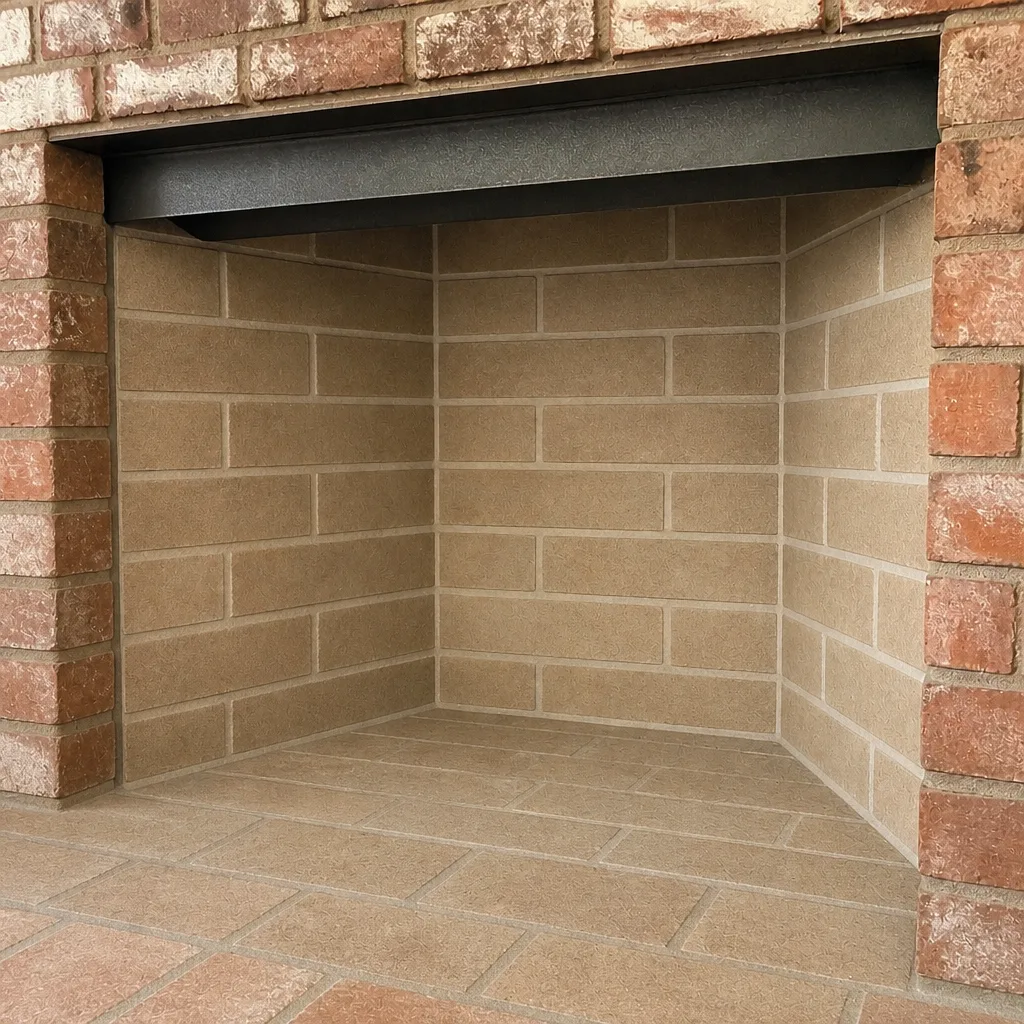 After
Frequently Asked Questions
Once a year is the general baseline, timed for late summer here, before the first fire of the season. Homes that burn frequently, or that burn unseasoned wood, may need it more often. If you see heavy buildup on a spring check, don’t stretch it to the following year.
Creosote builds up and, in Roseville’s heat, hardens into a more flammable glazed form all summer. That raises the risk of a chimney fire and restricts draft, and it makes the eventual cleaning harder. It also means a flue problem could go unnoticed for another year. The cost of a sweep is far less than the cost of a chimney fire.
Yes. A gas insert produces no wood creosote, but its venting still needs to be checked for blockages, proper draft, and condition. A blocked vent can let combustion gases into the home. Treat it as part of the same annual inspection rhythm as a wood-burning fireplace.
Spring is for inspection, summer is for cleaning. The spring check catches water intrusion and structural issues from winter and March rain. The cleaning itself should happen in late summer, before the first fire and after the heat has stopped doing further damage.
Pricing is set per job by a written estimate, so the exact figure depends on the flue’s condition and how much creosote is present. Estimates are free, and we’ll give you a written price before any work begins. Call (833) 946-0150 for an exact quote.
You need a liner if the flue is cracked, deteriorated, or unlined, because a compromised flue lets heat and gases reach the structure. You should never be told that without camera evidence you can see. If the flue is sound, we’ll tell you the work can wait. Call (833) 946-0150 and ask to see the inspection footage before anything is decided.
The Bottom Line
Roseville’s climate flips the national chimney calendar. The shoulder seasons do the real work: spring for checking what winter and rain left behind, fall for a proper pre-season service that covers the damper, smoke chamber, and liner, and late summer for the cleaning itself before the heat bakes the creosote into its most stubborn and most flammable form. Winter is for watching for warning signs, not for routine cleaning. Follow that pattern and your fireplace will draw well, your flue will stay sound, and you’ll never be caught by a repair the week the cold arrives. When it’s time for the sweep, book it before the fall rush.
Ready to schedule your seasonal cleaning? Call Chimney Sweep Roseville at (833) 946-0150 for a free estimate. We answer 24/7. Fast dispatch from 7am to 7pm, Sunday through Friday. New to the area? Start with our guide to Roseville, then let us take a look at the chimney. Learn more about what we do at Chimney Sweep Roseville.
Written by the team at Chimney Sweep Roseville.