
Last updated November 15, 2026
 Sweep & inspection
 Caps & crowns
 Flue relining
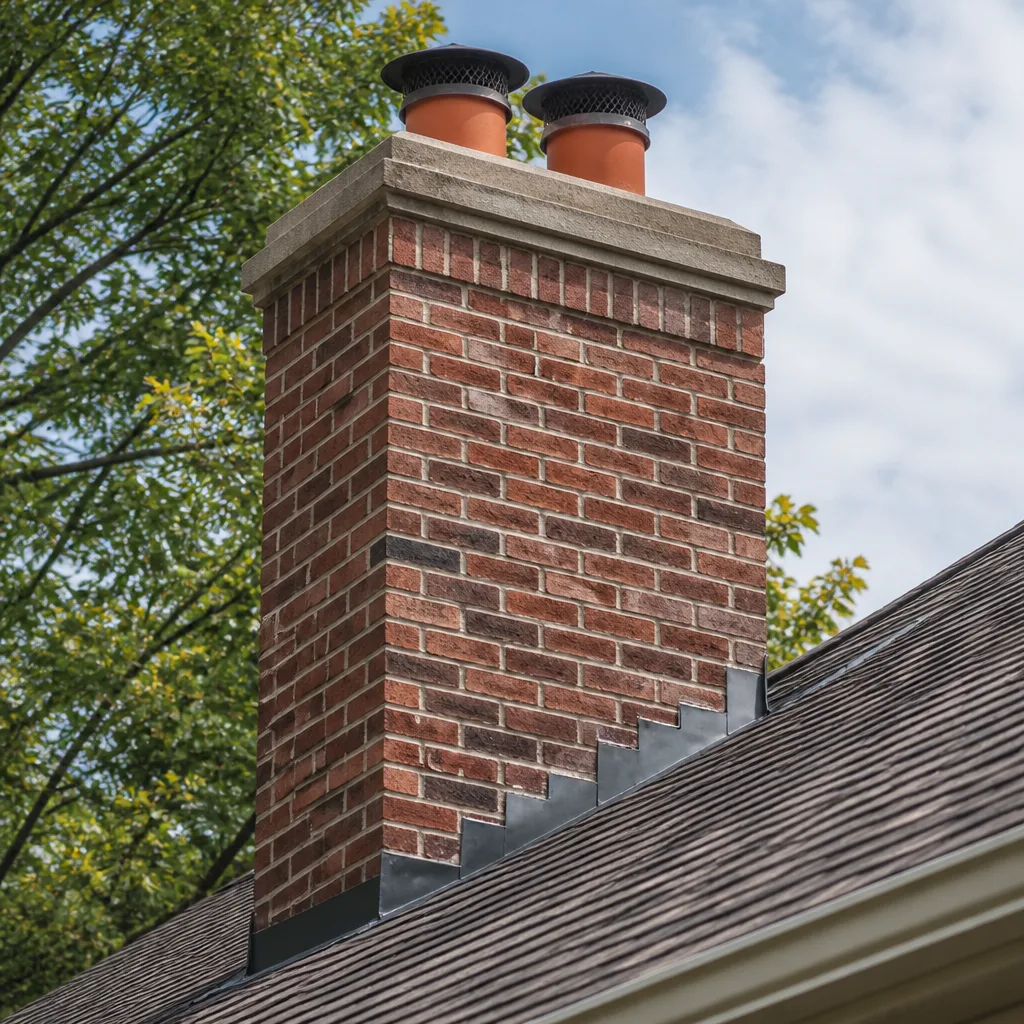 Masonry repair
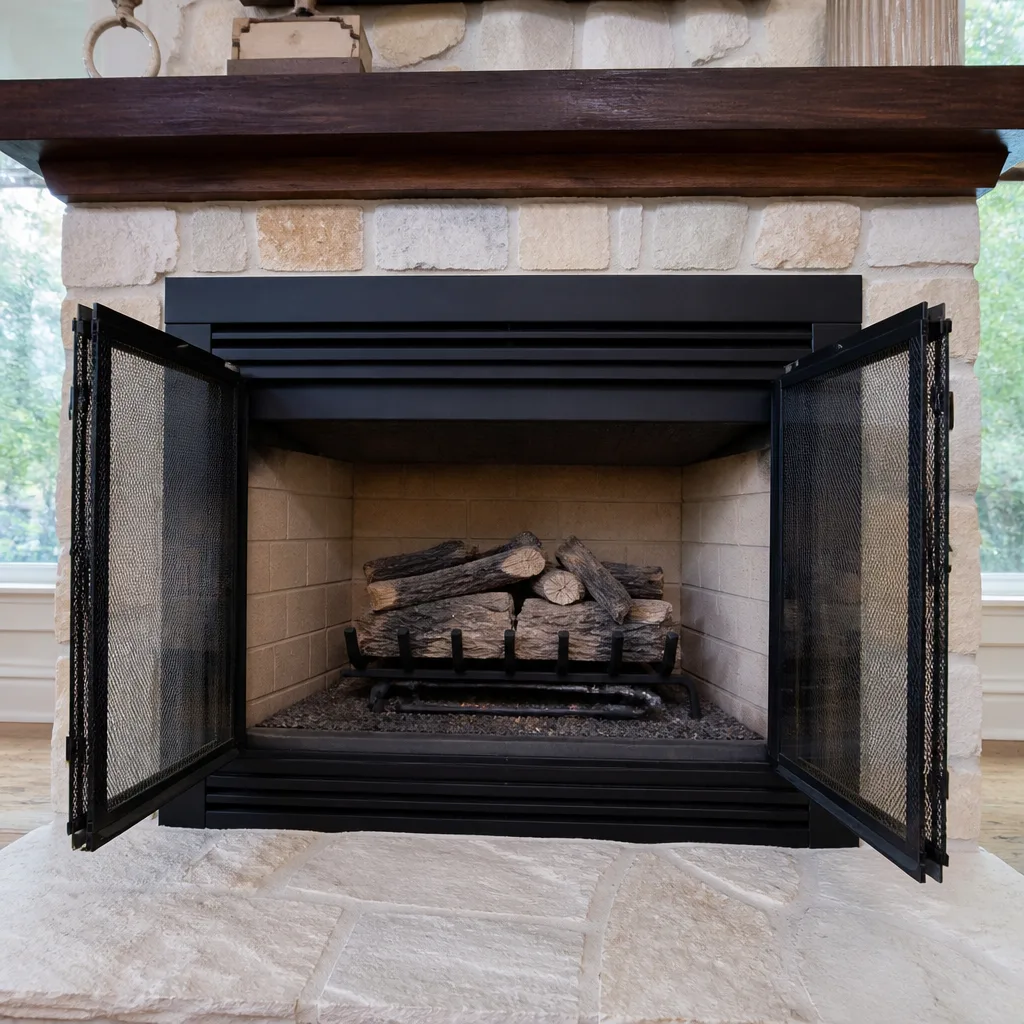 Gas fireplace service
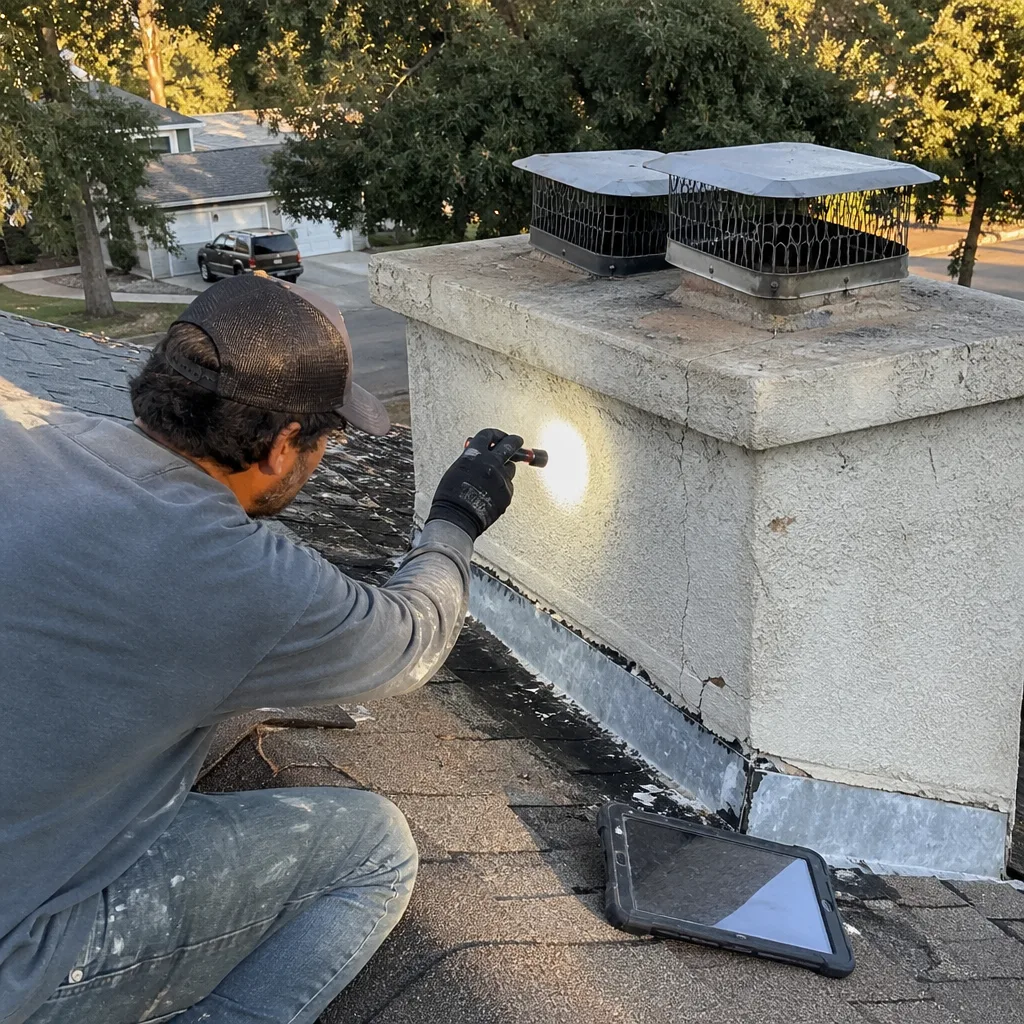
Level 1 sweep and inspection to the NFPA 211 annual standard - flue, crown, cap, and flashing checked and photographed
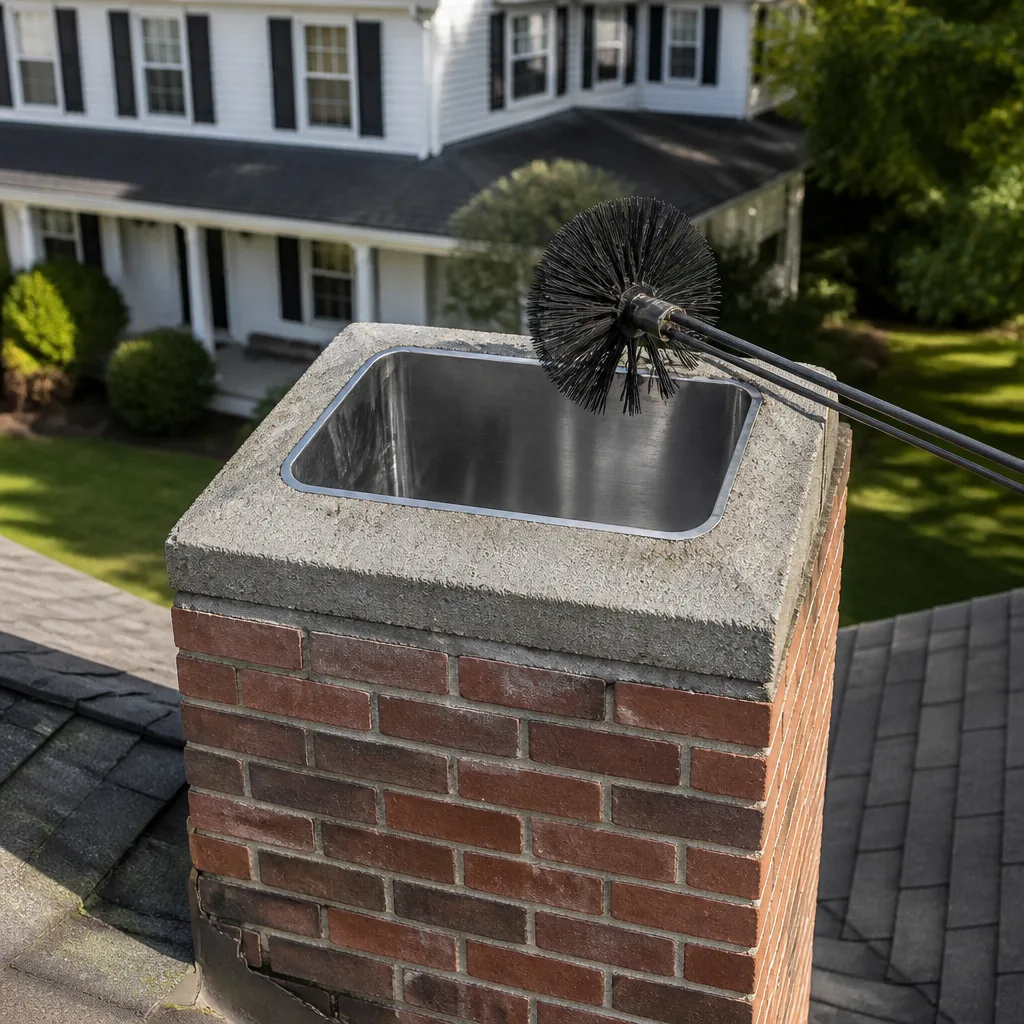
Chimney sweep logs do not sweep chimneys. They loosen some creosote - which then falls where a brush and vacuum still have to collect it.
The Complete Guide to Chimney Cleaning in Roseville
A chimney that looks clean from the firebox can have a quarter-inch of glaze creosote at the flue bend. That’s the spot most homeowners never see, the spot a flashlight shined up from the hearth usually misses, and the spot where the most serious chimney fires begin. Cleaning isn’t a calendar chore you check off in fall and forget. In Roseville, it’s tied to how much wood you’ve actually burned, what kind of wood it was, and how your particular flue is built. This guide covers the three zones of a chimney, how foothill oak and pine build creosote differently than kiln-dried hardwood, what certified sweeping actually involves, and how to tell a real cleaning from a quick brush-and-go.
Quick Answer
Chimney cleaning in Roseville should be scheduled based on how much wood you burn, not the calendar: roughly every cord of wood, or annually if you burn regularly through the cool months. A proper cleaning removes creosote from the firebox through the flue and smoke chamber, followed by a visual inspection of the accessible portions of the system. The job isn’t finished until you’ve seen what came out and what the flue looks like inside.
Styles & brands we work with
- Sweep & inspection
- Caps & crowns
- Flue relining
- Masonry repair
- Gas fireplace service
Table of Contents
- Why Usage, Not the Calendar, Drives Chimney Cleaning
- The Three-Zone Anatomy of a Chimney
- Foothill Oak, Pine, and How Roseville Firewood Builds Creosote
- What a Certified Sweep Does Differently
- Sweeping vs. Cleaning: What’s the Difference?
- Level 1 vs. Level 2 Inspections for Roseville Homes
- Smoke Events and What They Leave Behind
- What Chimney Cleaning Costs in Roseville
Why Usage, Not the Calendar, Drives Chimney Cleaning
Most chimney advice says “clean once a year.” That’s not wrong, but it’s incomplete, and for a Roseville homeowner who lights a fire a dozen times a season it can lead to unnecessary work. For someone who burns through two or three cords from November through February, an annual sweep may not be enough. The standard most chimney professionals follow ties cleaning to accumulation, not the passage of time. The rule of thumb: when creosote buildup reaches about 1/8 inch on the flue walls, the chimney needs sweeping. That threshold can be hit in one heavy season or take several light ones.
What counts as “heavy use” varies more than people expect. A fireplace used as ambience on cool evenings builds deposits slowly. A wood stove run as primary heat through a Roseville winter builds them fast. Gas inserts are different again – they don’t produce creosote the way wood does, but they still need an annual inspection of the venting and the appliance connections.
We look at four factors when advising on timing:
- Cords burned. Roughly one cleaning per cord is a reasonable starting benchmark for a wood-burning appliance.
- Burn behavior. Damp wood, choked-down air controls, and long smoldering fires build creosote faster than hot, clean burns.
- Flue geometry. Offsets, elbows, and short exterior chimneys run cooler and accumulate more.
- What the last inspection found. If the flue was already showing glaze at the last visit, the next one comes sooner.
That’s why a real sweep starts with a look, not a brush. The chimney sweep should know what they’re dealing with before anything moves.
The Three-Zone Anatomy of a Chimney
Creosote doesn’t accumulate evenly. It forms differently in each of the three zones a chimney passes through, and understanding which zone holds the dangerous deposits tells you why a thorough cleaning takes longer than a quick brush from the top.
Zone 1: The Firebox and Damper
This is what you see. Ash, soot, and the occasional fallen chunk of creosote collect here. It’s the easiest zone to clean and the one most DIY attempts actually reach. It’s also the least risky, because deposits here are visible and usually loose. The firebox gets vacuumed, the damper gets checked for smooth operation, and the smoke shelf behind the damper gets scraped – a spot many homeowners don’t know exists.
Zone 2: The Smoke Chamber and Flue Bend
Above the damper sits the smoke chamber, the sloped funnel that channels smoke from the firebox into the flue. Its corbeled walls create ledges where soot and creosote collect and harden. This is where that quarter-inch of glaze typically forms, especially at the bend where the flue angles toward the roof. Glaze is the dangerous stage of creosote – dense, tar-like, and the fuel for the hottest chimney fires. A brush alone won’t remove it. Glaze needs to be broken down with the right tools and, in some cases, chemically treated before it releases.
Zone 3: The Flue Run and Termination
The vertical flue above the smoke chamber carries the residue of every fire up and out. Because the upper flue runs cooler than the firebox, creosote here tends to be fluffier and easier to remove than the glaze at the bend. But it’s also where cracked tiles, deteriorated mortar joints, and gaps in the liner show up during inspection. A sweep who cleans from the top down without checking the flue run is skipping the part of the chimney most likely to be failing quietly.
When we inspect and clean a chimney, all three zones get attention, because protecting one without the others doesn’t protect the home.
Foothill Oak, Pine, and How Roseville Firewood Builds Creosote
Not all firewood burns the same, and the difference matters for how fast your flue builds deposits. Roseville sits at the edge of the Sierra foothills, where oak and pine are the two firewoods most commonly sourced and burned. They behave very differently in a fireplace.
Oak – especially the dense foothill varieties – burns hot and long once it’s properly seasoned. Well-dried oak produces less creosote per cord because the fire runs hot enough to consume most of the volatile compounds before they can condense on the flue walls. The catch is moisture content. Oak that hasn’t seasoned long enough still holds too much water, and wet oak burns cool and smoky. That’s when creosote builds fast, even though oak on paper is “the good wood.”
Pine is the opposite problem in a different direction. It’s resinous, lights quickly, and burns hot and fast. That’s useful for starting a fire, but pine produces more volatile compounds than oak, and if a pine-heavy fire is choked down for a long evening burn, those compounds condense on the cooler upper flue as sticky creosote. Pine isn’t forbidden – plenty of Roseville households burn it – but pine-heavy burning, or a mix of pine and under-seasoned oak, is one of the faster paths to a flue that needs attention.
Compare that to kiln-dried hardwood, which is uniform and predictably low in moisture, and you see why the same number of cords doesn’t mean the same amount of creosote. Two Roseville households burning two cords each can end a season with very different flues depending on species and dryness. That’s why we look at the flue, not the calendar. For homeowners who want a starting point on timing, the broader Chimney Sweep Roseville service overview covers scheduling around actual burn volume.
What a Certified Sweep Does Differently
A chimney sweep follows a specific sequence of tools and inspection steps, and it looks different from what a general handyman or a quick brush-and-go operator does. The work is technical and the standards are published, so there’s no real gray area about what a complete job includes.
Here’s the sequence a professional cleaning follows:
- Protect the room. Drop cloths and a sealed work area before anything gets touched. Soot travels everywhere if the work area isn’t contained.
- Inspect before cleaning. A visual check of the firebox, damper, smoke chamber, and accessible flue before the brush goes in. This is where problems are spotted and where any obstruction – a bird nest, a fallen tile, a broken damper – is found first.
- Clean from the bottom up. Rotary brushes sized to the flue, plus hand tools for the smoke shelf and smoke chamber ledges. For glaze creosote, chemical treatment or mechanical removal with the right tool before the final brush pass.
- Clean the firebox and hearth. Vacuum with a HEPA-filtered unit, ash removal, and a sweep of the surrounding surface.
- Inspect again after cleaning. The post-clean inspection is where a sweep confirms the flue is clear and checks for cracks, missing mortar, and liner damage that the creosote was hiding.
- Report what was found. Findings should be explained, with photos where useful, and a written recommendation for anything that needs repair.
That last step is where a specialist earns the call. A general handyman who brushes a chimney can tell you it’s clean. A specialist can tell you what shape the flue is in and whether it needs chimney repair before the next season. When repair is needed, our technicians work with professional-grade materials – DuraFlex flexible liners, HeatShield ceramic flue resurfacing, and Olympia Chimney components – so the fix is specified with purpose-built parts, not hardware-store substitutes.
Sweeping vs. Cleaning: What’s the Difference?
The two words get used interchangeably, but they describe different levels of work. A sweeping is a focused removal of creosote and soot from an otherwise sound flue. A cleaning is the broader job: sweeping plus ash removal, smoke chamber work, and inspection of the full accessible system to confirm it’s clear and intact. Most homes getting an annual service need a cleaning, not just a sweep, because the inspection is part of the value.
Here’s how the two compare in practice:
- Sweeping uses rotary and hand brushes to remove loose soot, flaky creosote, and glaze from the flue walls. It assumes the flue is sound and the appliance isn’t changing.
- Cleaning adds ash and firebox removal, smoke shelf and smoke chamber scraping, checking the damper, and inspecting the flue for damage before and after.
- Post-fire or post-event cleaning after a flue fire or a heavy smoke event goes further. It often includes a higher-level inspection and, if damage is found, repairs.
In our experience, the houses that get infrequent service often need a cleaning rather than a sweep when they finally call, because deposits have had time to harden and other small issues have had time to develop. Homes on a regular schedule tend to stay in sweeping territory, which is the cheaper and easier place to be.
Level 1 vs. Level 2 Inspections for Roseville Homes
Inspection levels aren’t a sales upsell – they’re a standard format for describing how deep an inspection goes. The three levels cover different situations, and knowing which one applies to your home tells you what to expect from a visit.
Level 1 Inspection
An accessible visual inspection of the chimney and venting system, with the appliance as it normally operates. This is the standard inspection that pairs with routine servicing. It’s appropriate when the home isn’t changing hands, the appliance hasn’t been replaced, and there’s no known problem.
Level 2 Inspection
Goes further: accessible portions of the chimney are examined with video, and the inspection covers the attic, crawl space, and other areas a level 1 doesn’t reach. A level 2 is the appropriate call after a flue fire, after a change in appliance or fuel type, after an event like a serious earthquake, or when a property changes hands. It’s also standard when the flue has had heavy deposits or a prior repair.
Level 3 Inspection
Reserved for cases where a level 2 finds a problem that can’t be confirmed without opening up parts of the structure. This is uncommon and is triggered by a specific finding, not scheduled proactively.
The practical guidance for Roseville homeowners: a level 1 with each routine cleaning, a level 2 when anything about the system has changed or after a real event, and a level 3 only if someone tells you they need one and can explain why. For homeowners in neighborhoods like Folsom Ranch or the older streets around downtown Roseville, the principle holds the same – the level depends on the situation, not the address. If you’re not sure which applies, an honest inspection will tell you and won’t recommend more than the findings support, with photos of anything that needs attention.
Smoke Events and What They Leave Behind
Fire seasons in the Sacramento region have brought visible smoke into Roseville more than once, and the 2021 Caldor and Dixie fires created local air quality conditions homeowners still remember. The question we hear after those episodes is whether smoke alone means a chimney needs cleaning. The honest answer is: not automatically. Smoke that enters the home through open windows or a leaky envelope doesn’t necessarily add creosote to a properly sealed and closed flue.
What a smoke event does justify is a look. If you had windows open during a heavy smoke afternoon, the indoor surfaces and the firebox can pick up a layer of fine ash, and if the damper was left open, some of that smoke could have tracked up the flue. That’s a reason for an inspection, not a reason for panic.
Here’s what we check after a local smoke event:
- Whether the damper was open or closed during the event. Closed means the flue was sealed and likely unaffected.
- Whether the firebox and hearth show a fresh layer of fine ash that wasn’t there before.
- Whether the flue shows fresh soot deposits above what was there before, which video inspection can confirm.
- Whether the exterior cap and spark arrestor are intact and weren’t clogged by windblown debris during the event.
If the flue was closed, a visual check is often all that’s needed. If it was open and the deposits are visible, a cleaning and inspection make sense. We don’t recommend more than the evidence supports, and we’re comfortable telling people their chimney can wait until the next scheduled visit. Call (833) 946-0150 to book an inspection if you’re unsure after a smoke event – estimates are free.
What Chimney Cleaning Costs in Roseville
Chimney cleaning in Roseville typically runs in a modest range for a standard cleaning with inspection, and it goes up when the job involves glaze creosote, heavy deposits, or repair work found during inspection. The written estimate is what sets the final price, and it’s issued after the sweep has seen the flue. Here’s how the pieces break down as typical ranges:
| Service | Typical estimated range | What drives the price |
|---|---|---|
| Standard chimney cleaning with inspection | Modest base range for most homes | Flue length, deposit level, appliance type |
| Cleaning with heavy or glaze creosote removal | Higher than standard cleaning | Chemical treatment or mechanical glaze removal, job time |
| Level 2 inspection with video | Adds to the base cleaning price | Full-system access, roof work |
| HeatShield flue resurfacing | Quoted per job after inspection | Flue condition and length, resurfacing scope |
| DuraFlex liner replacement | Quoted per job after inspection | Liner size, chimney height, cap and fittings |
We don’t publish a flat price across the board because flue conditions vary too much for one number to be honest. Two homes on the same street can need very different scopes of work, and the price should reflect what’s actually in the flue. What we do commit to: the estimate is free, the written estimate is the price, and nothing gets recommended without evidence you can see for yourself. For a more detailed look at how Roseville homes are typically serviced, the city page covers local context. Call (833) 946-0150 for an exact quote.
Common Mistakes to Avoid
- Cleaning on the calendar, not on burn volume. Burning two cords a year and sweeping in October because it’s October is the wrong order. Let the flue’s condition drive the schedule, not an annual habit.
- Assuming a firebox that looks clean is a safe chimney. The deposits that cause the worst fires are above the damper, out of sight from the room. A visibly tidy firebox tells you almost nothing about the flue bend.
- Burning pine as a primary fuel without adjusting the schedule. Pine-heavy burning in a choked-down stove builds creosote faster than oak. It’s not forbidden, but it changes cleaning timing.
- Skipping a Level 2 inspection after a real event. A flue fire, a chimney-adjacent earthquake, or an appliance swap all call for more than a level 1 visual. The extra depth catches cracked liners that a routine check may miss.
- Treating a handyman as a chimney specialist. A brush and a ladder aren’t the whole job. Smoke chamber work, glaze removal, and post-clean inspection are part of a professional cleaning, and general handymen typically don’t do them.
- Ignoring the smoke event question. After a heavy smoke week in Roseville, an inspection is worth the call, but it’s not an automatic cleaning. Get an evidence-based recommendation, not an assumed one.
- Assuming gas inserts don’t need annual service. Gas inserts don’t build creosote the way wood does, but the venting and connections still need annual inspection to stay safe and to keep the appliance operating as designed.
See the difference
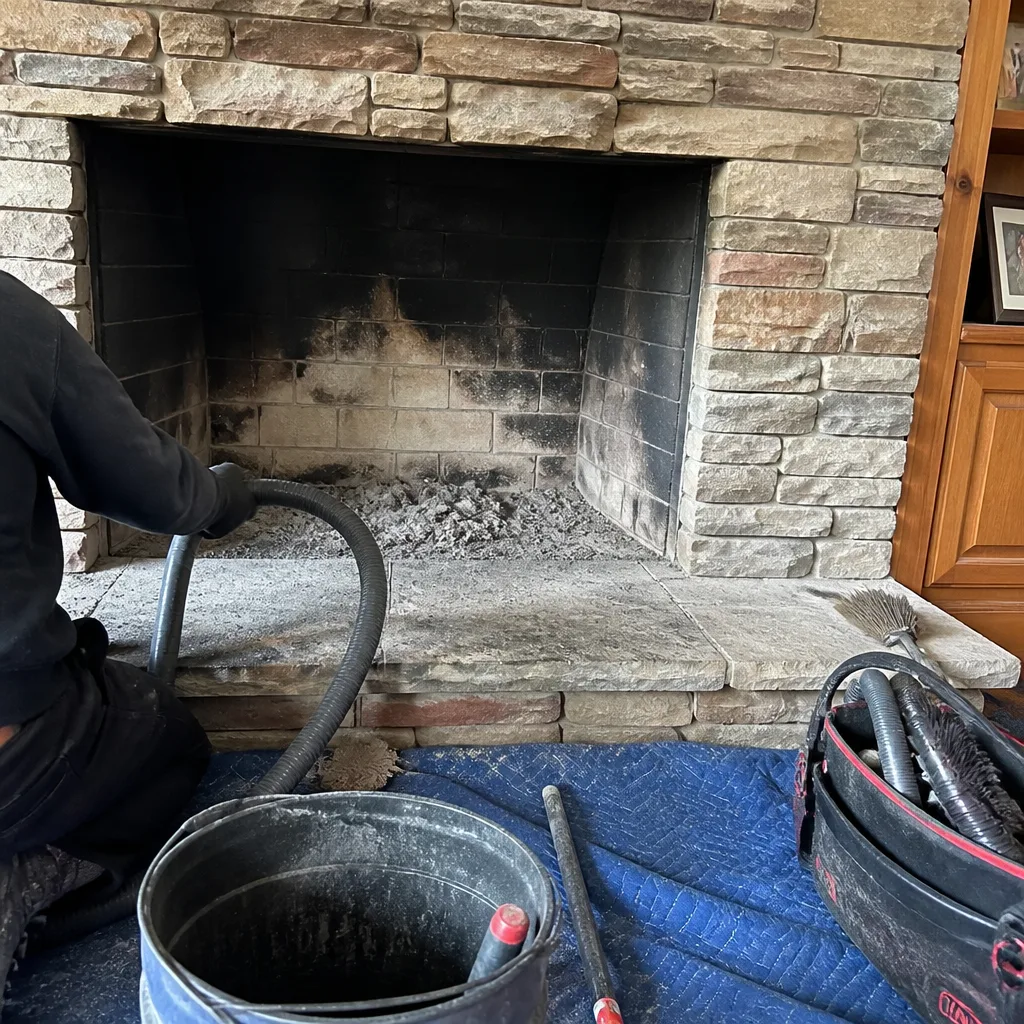 Before
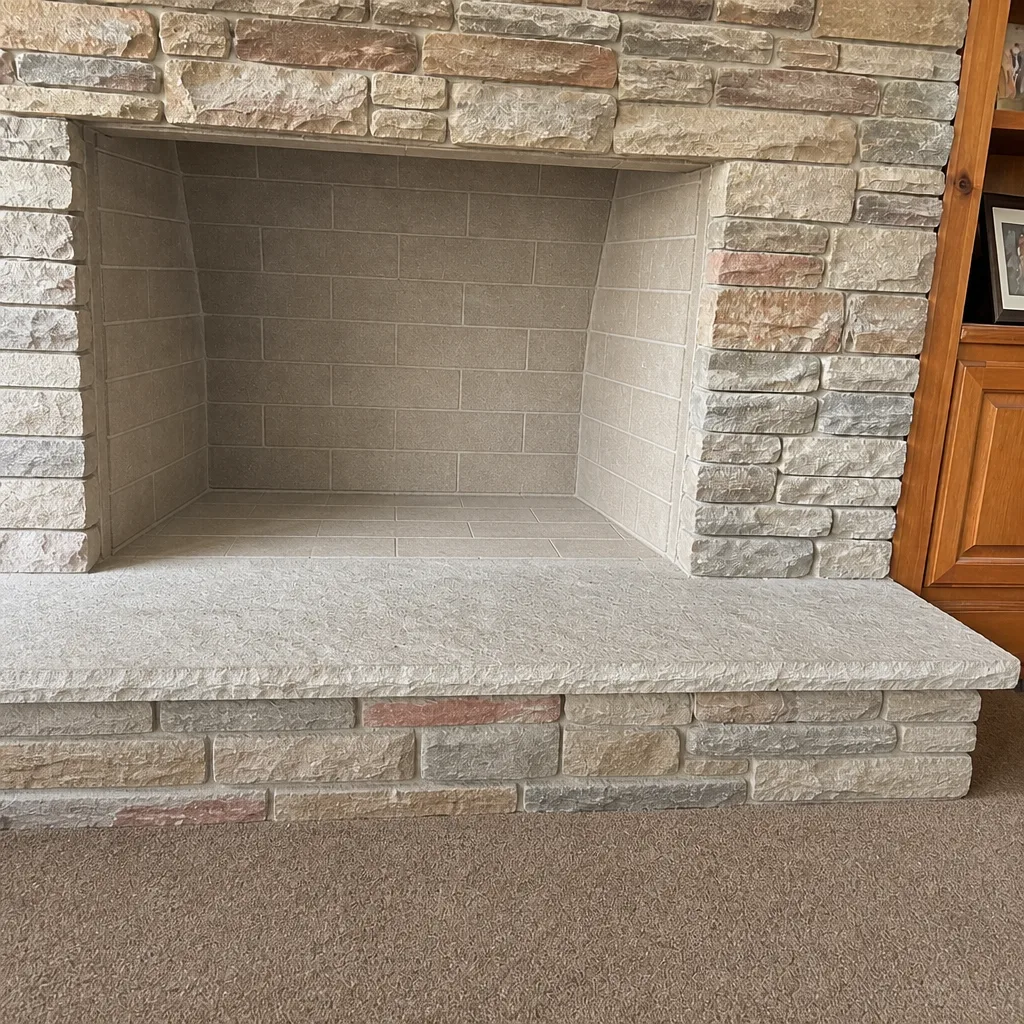 After
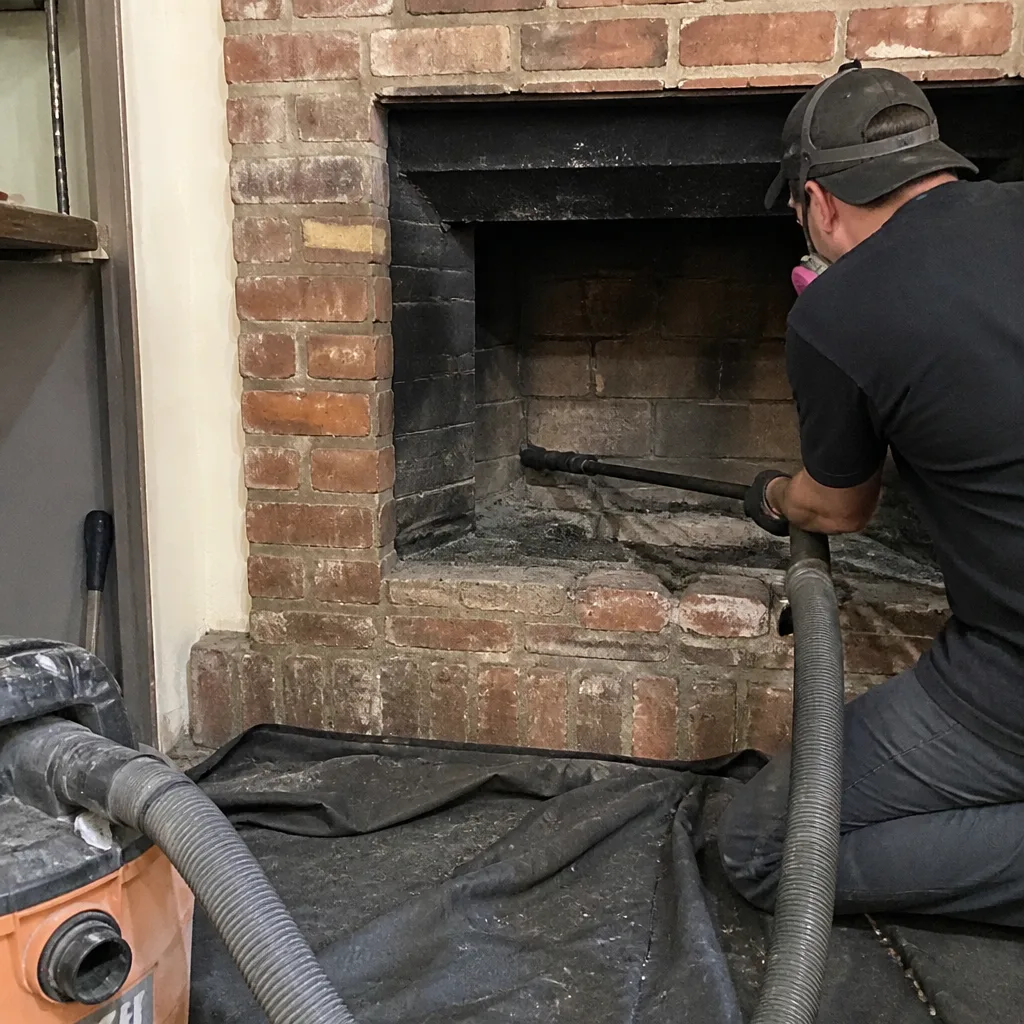 Before
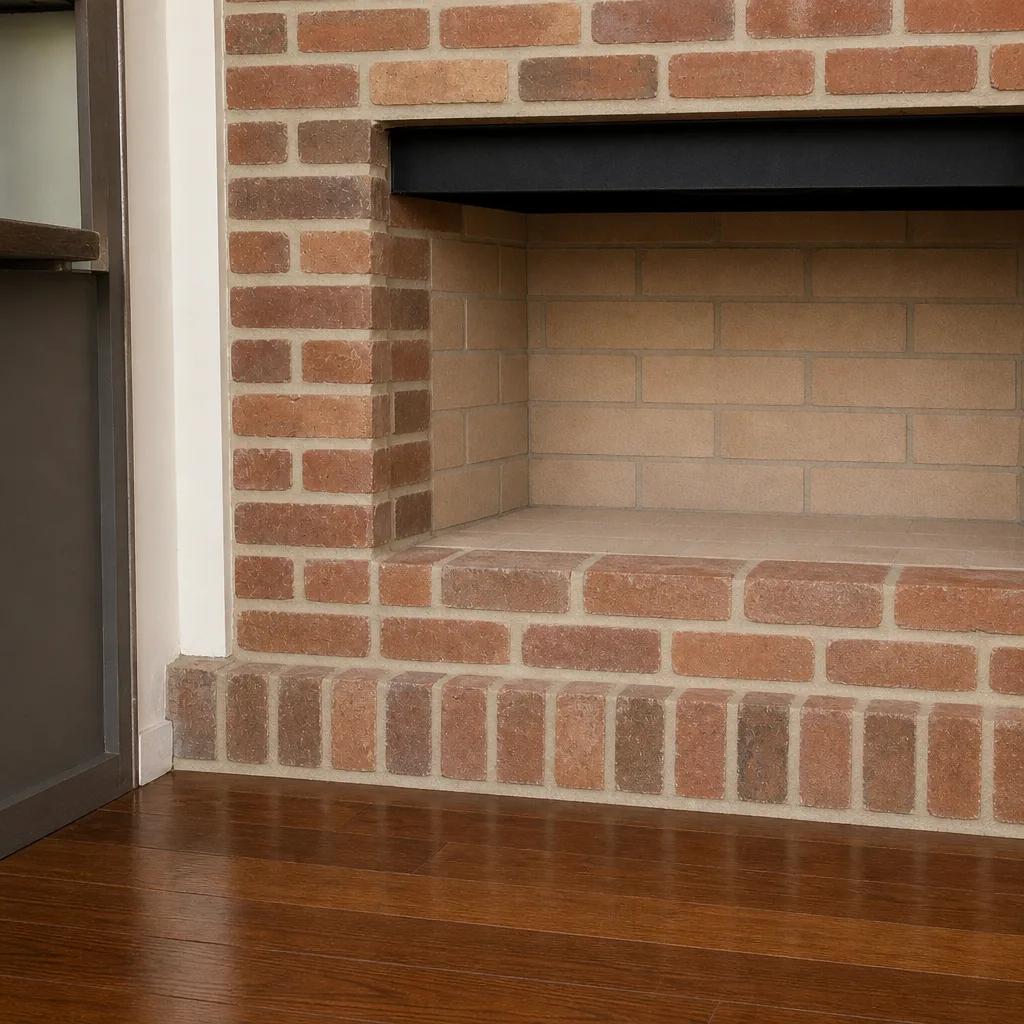 After
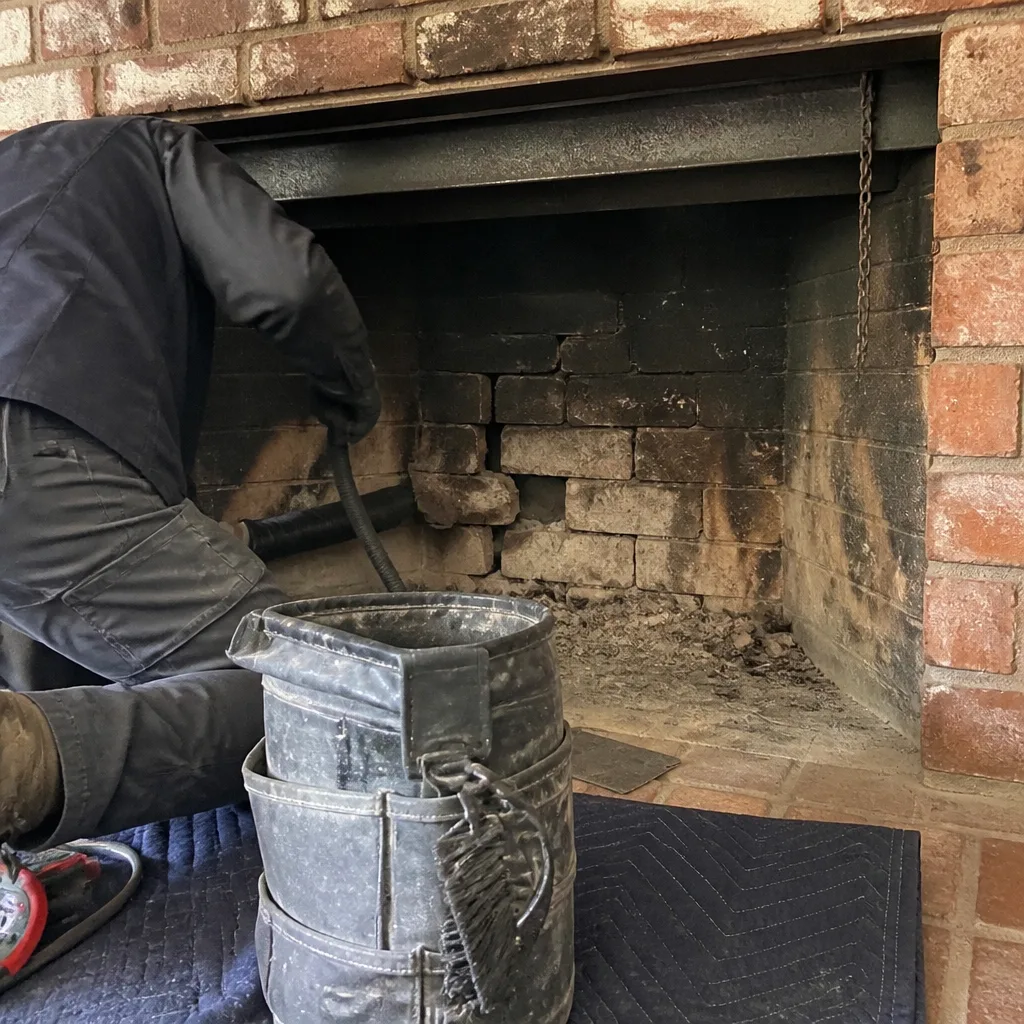 Before
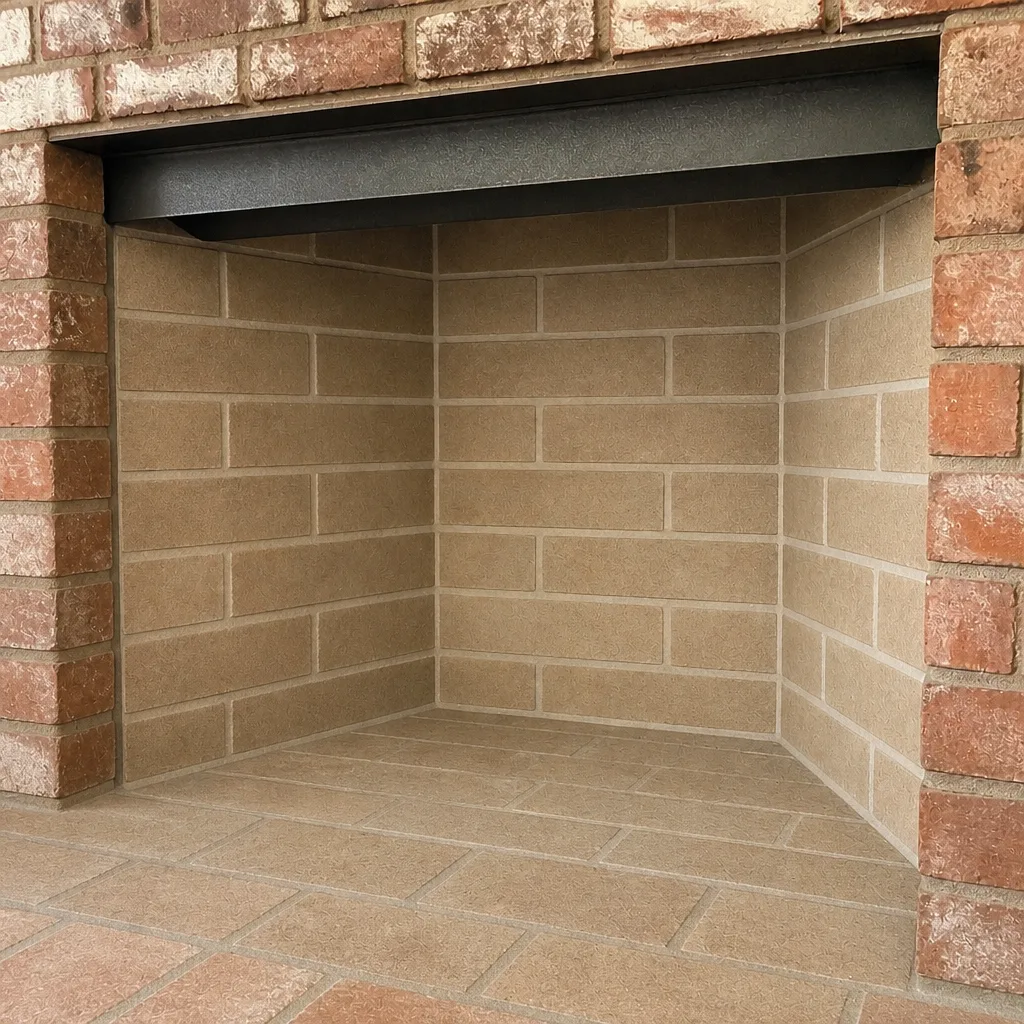 After
When to Call a Professional
Call a chimney professional when you’ve burned through roughly a cord of wood since the last cleaning, when you’ve noticed smells or smoke coming back into the room, when the fire struggles to draw, or when you’ve had a flue fire, a chimney-adjacent earthquake, or an appliance change that calls for a Level 2 inspection. Call before the first burn of the season if you don’t know the flue’s condition. Call after a heavy smoke event if you’re unsure whether the flue was exposed. And call if your current sweep is offering a price that doesn’t include inspection – that’s the part of a proper cleaning most worth having. Chimney Sweep Roseville offers free estimates in Roseville – call (833) 946-0150. We answer 24/7, with fast dispatch from 7am to 7pm, Sunday through Friday. A call outside those hours is booked into the next opening.
Frequently Asked Questions
A standard chimney cleaning with inspection in Roseville typically falls in a modest range, with the price going up when glaze creosote needs treatment or repairs are found. The written estimate sets the final number, and there’s no separate service-call fee. Call (833) 946-0150 for an exact quote – estimates are free.
Sweep based on how much wood you’ve burned, not how many months have passed – roughly every cord of wood, or annually if you burn regularly through the season. Homes burning pine-heavy or under-seasoned wood should go sooner. When the flue shows about 1/8 inch of creosote, it’s time. Call (833) 946-0150 if you’re not sure where your flue is.
Not necessarily. A liner replacement is recommended when the existing flue is cracked, deteriorated, or the wrong size for the appliance, and the evidence should be shown to you before anything is quoted. HeatShield ceramic resurfacing can often restore a damaged flue without full liner replacement, and DuraFlex is specified when a full liner is the right call. If someone tells you a liner is needed without showing you the video, ask to see it. Call (833) 946-0150 for a second opinion with a free estimate.
Skipped cleanings let creosote build to levels where it can ignite, and they leave developing damage – cracked tiles, failing mortar, loose joints – undetected until it becomes a repair. The risk grows quietly. The good news is that a sweep can catch small issues before they become large ones, and sometimes the honest recommendation is that work can safely wait. Call (833) 946-0150 to schedule a look.
Gas inserts don’t produce creosote the way wood does, so they don’t need the same sweeping schedule. They do need an annual inspection of the venting and appliance connections, and those checks should come from a chimney specialist rather than a general handyman. Call (833) 946-0150 to book an inspection.
An inspection makes sense after a heavy smoke event if the damper was open or windows were open during it. If the flue was closed, a visual check is usually enough. An honest sweep will tell you if it can wait until the next scheduled visit. Call (833) 946-0150 with the date of the event and we’ll advise.
The Bottom Line
Chimney cleaning is a burn-volume question, not a calendar one. In Roseville, foothill oak and pine build creosote at different rates than kiln-dried hardwood, and the most dangerous deposits sit above the damper where most homeowners never look. A real cleaning covers the firebox, the smoke chamber and flue bend, and the flue run, then inspects the flue for damage before and after. A Level 1 inspection fits routine service; a Level 2 fits after a flue fire, an appliance change, or a serious smoke event. Every recommendation should come with evidence you can see, and some work can safely wait. A specialist who does only chimney work – with DuraFlex, HeatShield, and Olympia Chimney on hand – is a different call from a generalist with a brush.
Contact
If it’s been a season, a cord, or a few years since your chimney was last looked at, that’s enough reason to book a cleaning and inspection. Chimney Sweep Roseville handles inspection, cleaning, and repair under one roof, so nothing gets handed off to a second contractor. Call (833) 946-0150 for a free estimate. We answer 24/7, with fast dispatch from 7am to 7pm, Sunday through Friday. A call outside dispatch hours is booked into the next opening. Chimney work is all we do.
Written by the team at Chimney Sweep Roseville.