
Last updated November 15, 2026
 Sweep & inspection
 Caps & crowns
 Flue relining
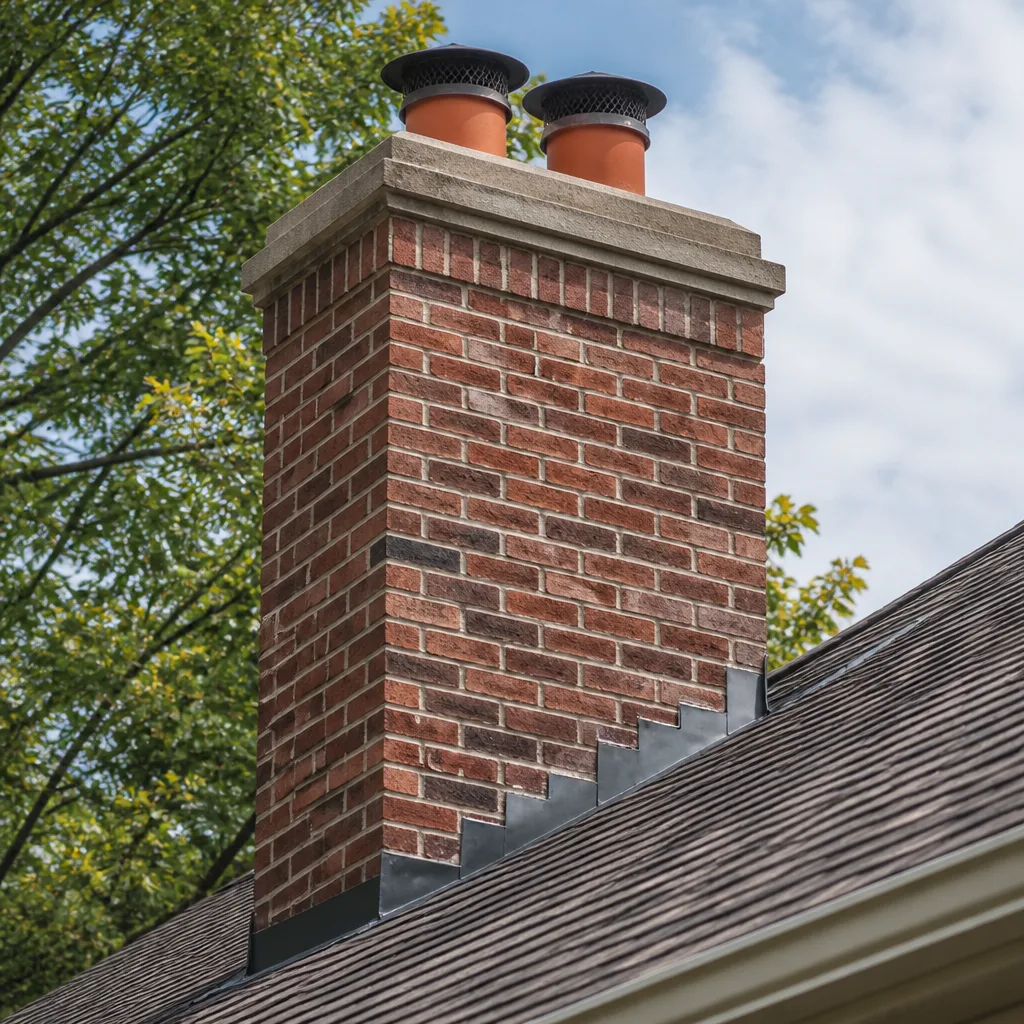 Masonry repair
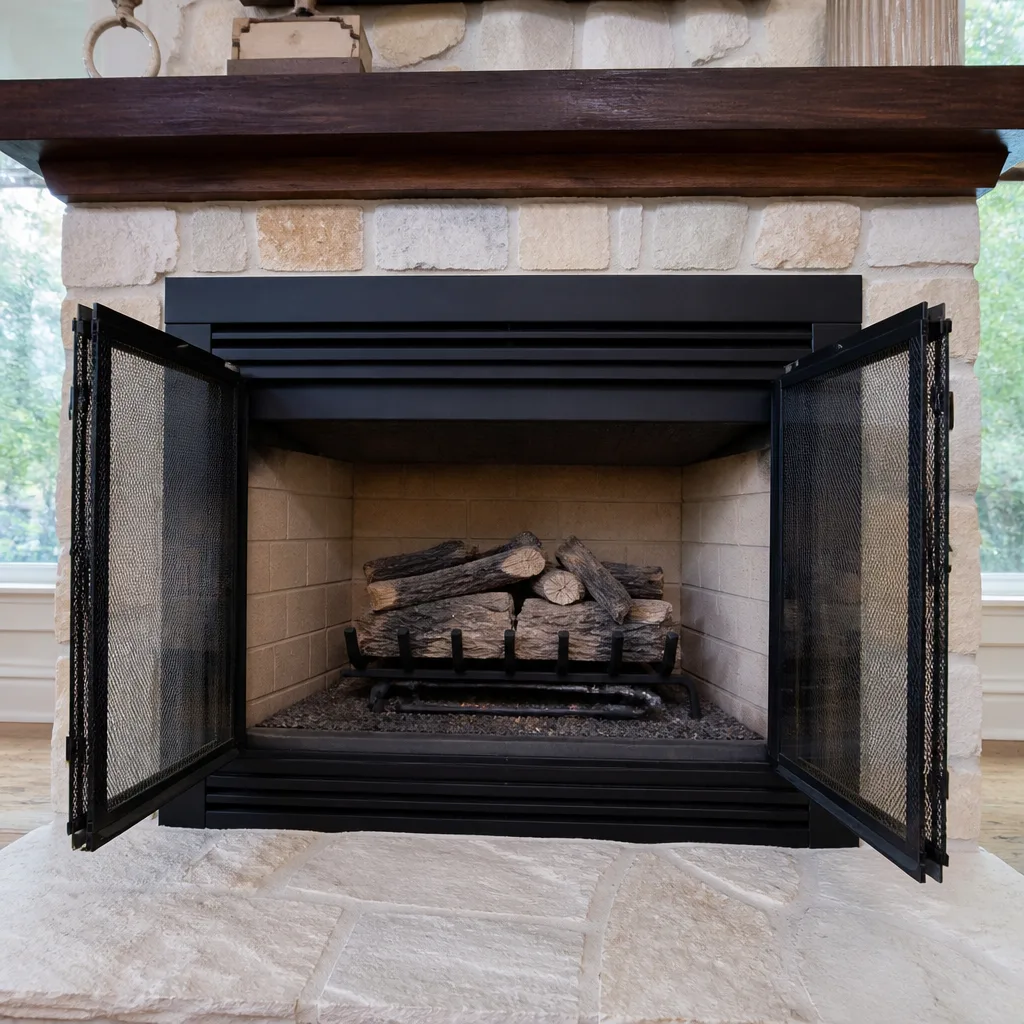 Gas fireplace service
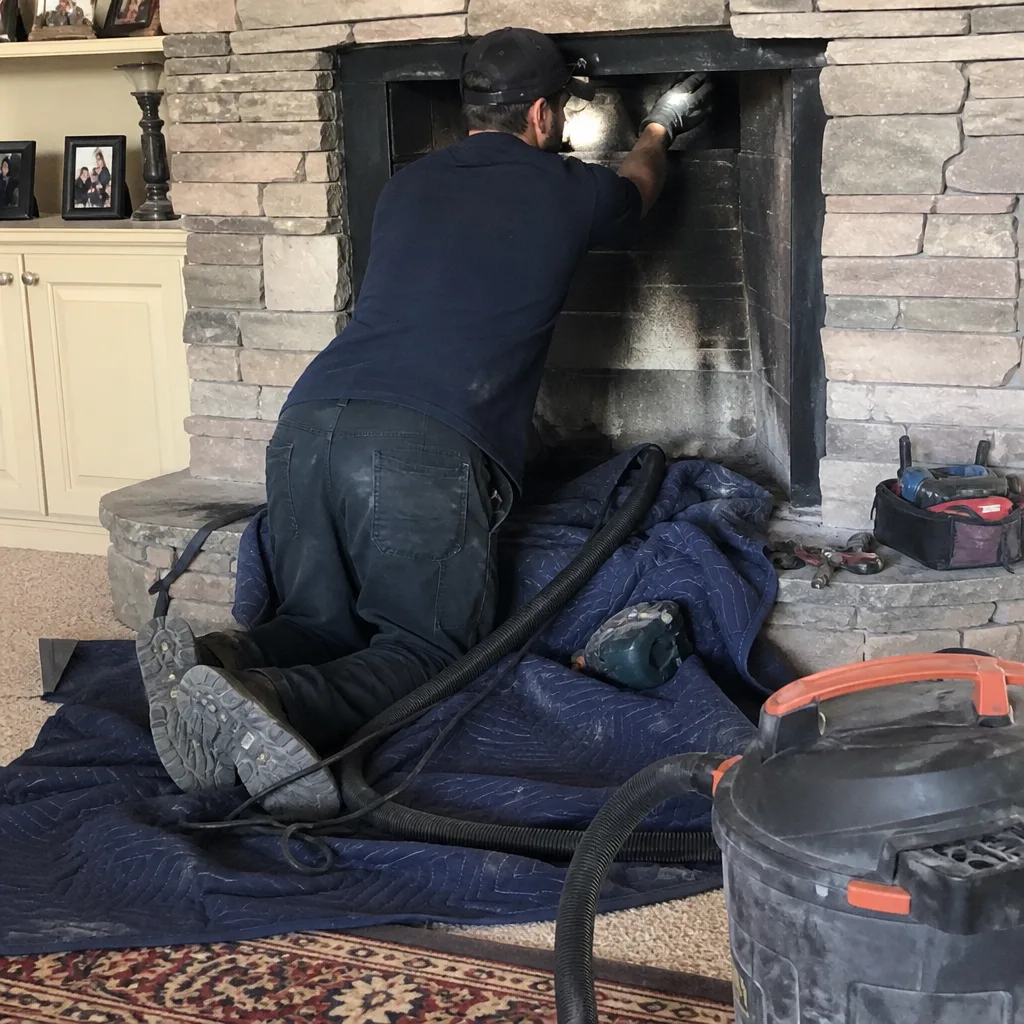
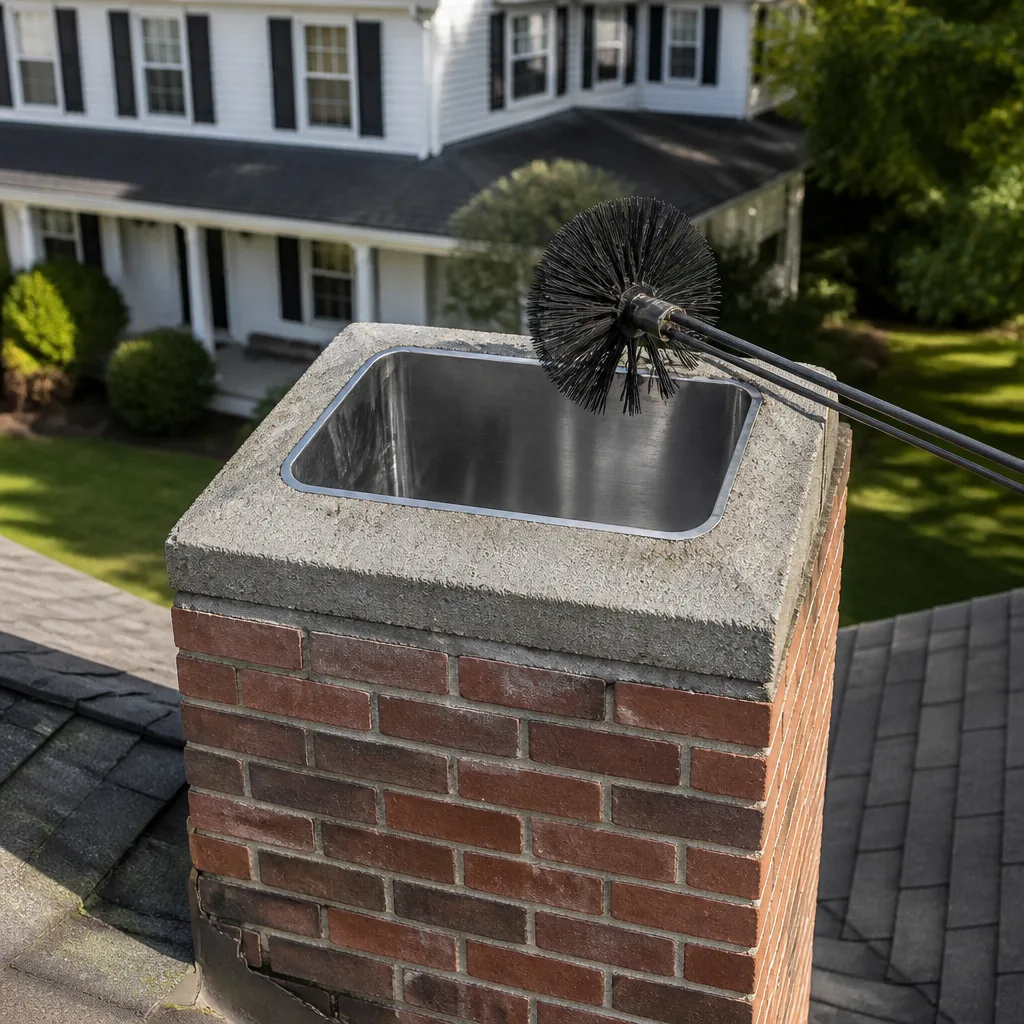
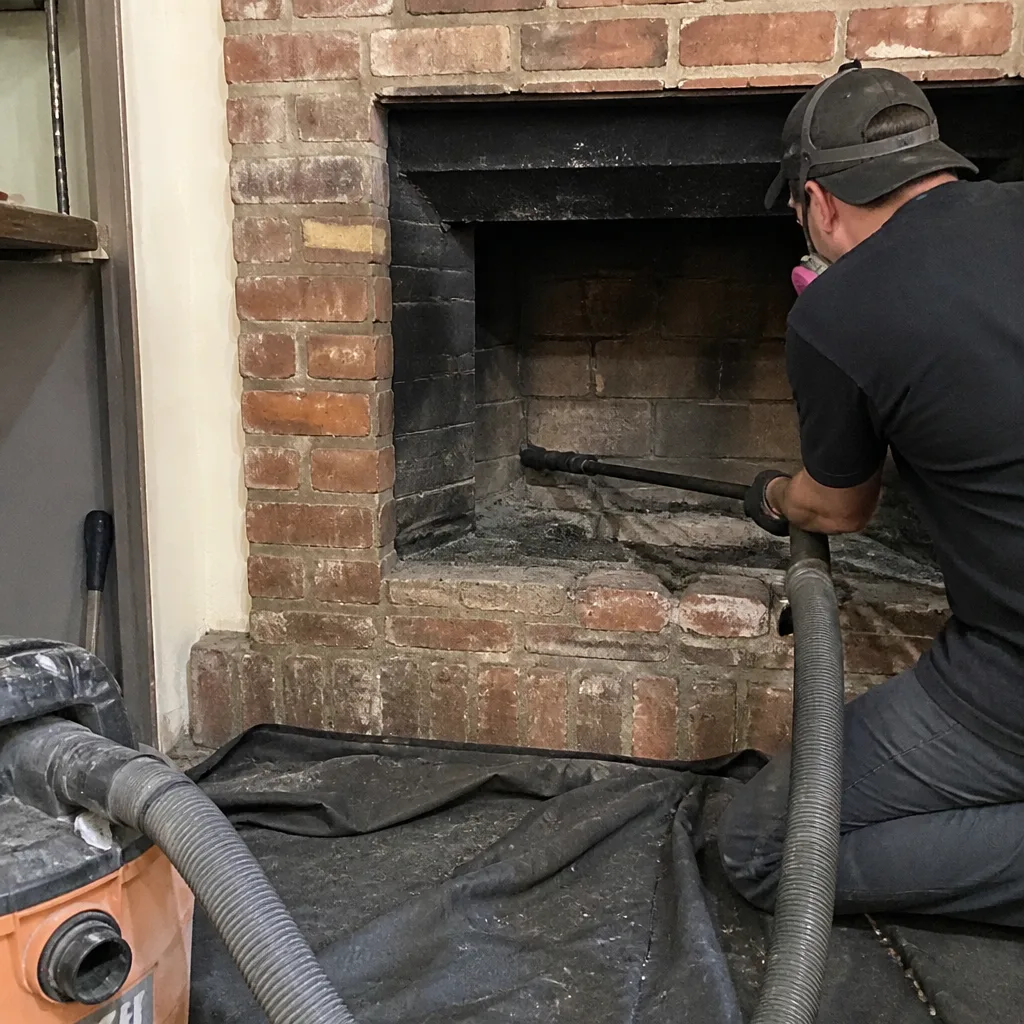
Level 1 sweep and inspection to the NFPA 211 annual standard - flue, crown, cap, and flashing checked and photographed
Chimney sweep logs do not sweep chimneys. They loosen some creosote - which then falls where a brush and vacuum still have to collect it.
How to Hire a Chimney Cleaning Contractor in Roseville: A Step-by-Step Guide
Most people searching for chimney help in Roseville start with the same assumption: that the company showing up is a chimney company. Often it isn’t. Search results for chimney cleaning here are crowded with duct cleaners, dryer vent technicians, handymen, and pressure washers who added “chimney sweep” to their service list because the calls were easy to capture. And in California, no state licensing board exists that specifically stops them from sweeping your flue. Our guide shows you how to tell a true specialist from a side job: the credentials that actually mean something, the red flags hidden in quotes, the questions that expose a generalist, and what a written scope of work should contain before anyone touches your chimney in Roseville.
Styles & brands we work with
- Sweep & inspection
- Caps & crowns
- Flue relining
- Masonry repair
- Gas fireplace service
Quick Answer
To hire a chimney cleaning contractor in Roseville, verify the company performs chimney work as its core business, ask for CSIA certification and proof of insurance, confirm the quote names an NFPA 211 inspection level, and insist on a written scope of work before the job starts. The lowest bid usually reflects missing equipment, not lower overhead. If a contractor can’t explain how they handle Stage 2 creosote, they aren’t a chimney specialist.
Table of Contents
- Why a Chimney Specialist Beats a Generalist
- The Credentials That Actually Matter
- Questions That Separate Specialists From Generalists
- Red Flags in a Chimney Cleaning Quote
- Why the Cheapest Bid in Roseville Isn’t Cheapest
- What a Written Scope of Work Should Include
- Understanding Inspection Levels Before You Book
- The Seven-Step Hiring Process
- Common Mistakes to Avoid
- When to Call a Professional
- Frequently Asked Questions
- The Bottom Line
Why a Chimney Specialist Beats a Generalist
A chimney is a system, not a hole in a wall. It has a flue, a liner, a crown, a cap, and a firebox, and each of those parts has its own failure modes. A duct cleaner knows airflow. A roofer knows flashing. A handyman knows how to fix a lot of things at a competent level. None of them know how creosote forms at each stage, what a cracked flue tile looks like from the inside, or which liner system fits which flue geometry. That’s the difference between a sweep and a specialist.
“Chimney work is all we do” isn’t a marketing line for us. It’s the reason our technicians spend every working day on fireboxes and flues instead of splitting their attention across plumbing, roofing, or HVAC. When a technician’s whole career is chimney work, they read a flue the way a mechanic reads an engine. The signs are quieter and easier to miss if you haven’t seen hundreds of them.
This matters more in Roseville than it might elsewhere, because of two local truths. First, our mild winters mean fireplaces still get used from November into March without long gaps, and the fireplace often becomes a backup heat source during wet, cold stretches. Second, this market has grown fast, and new housing stock has brought a real mix of chimney construction – older masonry with clay tile liners alongside newer framed chimneys with factory-built metal flues. Those two builds fail differently, and they need different tools and different repair materials. A generalist usually learns one and assumes the other works the same way.
When you hire, ask one direct question: is chimney work the company’s main business, or an add-on? If it’s an add-on, the quote will often be cheaper and the scope often thinner. For a full view of what a professional sweep should cover, see our chimney sweep service. If you want a sense of how this plays out in the neighborhoods you know, our Roseville page walks through the local mix of housing, fireplace types, and how fireplaces actually get used here.
The Credentials That Actually Matter
Two credentials separate a serious chimney professional from a generalist with a brush on a pole: CSIA certification and NFI membership. Each means something distinct, and each can be verified.
CSIA Certification
The Chimney Safety Institute of America (CSIA) is the national certification body for chimney sweeps. Earning CSIA certification requires passing a written exam on the science of chimneys, fire safety, venting, and building code, plus continuing education to stay current. The certification is public. You can look up a company on the CSIA directory before you hire, and a certified sweep will tell you their certification number without hesitation.
NFI Membership
The National Fireplace Institute (NFI) certifies specialists in specific fuel types – wood, gas, and pellet. NFI membership signals that a company understands appliance installation and venting, not just cleaning. If your home has a gas insert or a wood stove alongside a fireplace, an NFI-certified technician knows how each of those appliances vents and what a safe installation looks like.
What Neither Credential Guarantees
A CSIA card doesn’t tell you how a company handles Stage 2 creosote, and NFI membership doesn’t guarantee they own the right rotary equipment. The credentials narrow the field. The questions in the next section do the rest.
Beyond the paper credentials, check insurance, and check it properly. Ask for a certificate of insurance that names both general liability and workers’ compensation coverage. If a company can’t produce one, that’s not a “we’ll send it later” moment. It’s the end of the conversation until they do.
Questions That Separate Specialists From Generalists
The interview is where you learn whether a quote reflects a real chimney sweep or a quick pass with a brush. Ask these questions before you book, and listen for how specific the answers are.
- What camera equipment do you use for a Level II inspection? A specialist uses a digital inspection camera with recording capability, and will show you the footage afterward. A generalist will describe looking up the flue with a flashlight.
- How do you handle Stage 2 creosote? Stage 2 creosote is glazed, hardened, and difficult to remove. The right answer includes rotary cleaning equipment and, when needed, a chemical treatment product like Gelco before mechanical removal. A vague answer means the technician hasn’t dealt with it often.
- What rotary cleaning equipment do you use? Professional chimney cleaning uses a power-driven rotary rod and head, not a hand brush on a pole. A properly equipped sweep cleans the flue back to bare surface. A generalist will describe “we brush it out.”
- Do you perform inspections to NFPA 211 standards? The National Fire Protection Association sets the standard for chimney, fireplace, and venting inspection and maintenance. A specialist will name the standard and know the difference between Level I, II, and III.
- What brands do you use for liners and repairs? Specialists specify purpose-built components. We use DuraFlex flexible liner systems and HeatShield ceramic resurfacing because both are engineered for flues specifically. A contractor who can only say “we use good materials” doesn’t know the difference.
- What happens if you find damage? Can you do the repair? A true specialist can inspect, clean, and repair under one roof. A generalist refers you elsewhere, which often means paying for a second inspection.
- What does your written scope of work include? If the answer isn’t specific and itemized, the quote is a placeholder.
Notice how many of these questions have nothing to do with price. That’s deliberate. A low price on the wrong scope isn’t a bargain. It’s a re-do.
Red Flags in a Chimney Cleaning Quote
The quote is where a generalist gives themselves away. Watch for these warnings before you sign:
- Vague line items. “Chimney sweep – $X” is not a scope. A professional quote names the inspection level, the cleaning method, and what gets verified afterward.
- No mention of inspection level. If the quote doesn’t say “Level I inspection” or “Level II inspection,” the company may not know the difference. The inspection level determines what gets checked and reported.
- Pressure to decide same day. A safety issue is real, but a same-day decision that doesn’t let you compare scopes is a sales tactic. Ask for the inspection report in writing and take your time on repair decisions.
- No camera inspection offered. A professional sweep includes a camera inspection and a photo report on request. If the technician can’t show you what’s inside your flue, they can’t tell you what it needs.
- Repairs quoted without an inspection. If someone quotes a liner replacement without a camera inspection showing the failure, ask why. We don’t recommend work without evidence you can see for yourself.
- No insurance or certification produced on request. This is the biggest flag. Ask for the certificate and for CSIA verification, and walk away from anyone who hesitates.
Why the Cheapest Bid in Roseville Isn’t Cheapest
The phone quote that sounds too good usually is. In this market, cheap chimney cleaning often reflects one thing: missing equipment. A hand-brush sweep is fast, cheap, and doesn’t remove Stage 2 creosote or properly clean the full interior surface of a flue. A power rotary clean, with proper camera inspection and a documented report, takes time, gear, and training.
There’s a second reason cheap quotes appear here, and it’s specific to our market. The region’s demand for duct cleaning and dryer vent service has brought technicians into the area with brush equipment but not rotary gear. They can sweep a duct. They can’t safely remove glazed creosote from a flue liner without risking damage. When creosote stays in the flue and the homeowner keeps using the fireplace, the next inspection finds more build-up and a bigger repair quote. That’s a false economy.
The cheapest bid in Roseville is the one that closes the loop in a single visit: inspection, cleaning, and – where needed – repair handled by the same company with the right equipment.
We’ve seen this enough times to be blunt about it: nothing gets recommended without camera evidence you can see for yourself. When work can safely wait, we say so. When it can’t, we show you why. For a closer look at how repair recommendations work, see our chimney repair service, which lists the materials we actually specify, including DuraFlex and HeatShield.
What a Written Scope of Work Should Include
Before any chimney contractor starts on your home in Roseville, you should hold a written scope of work. It protects you, and it separates a professional operation from a truck-and-a-brush setup. Here’s what a proper scope contains:
- The inspection level performed (Level I, II, or III) and why that level was appropriate
- The cleaning method – hand tools, power rotary, or both – with a description of what surfaces were cleaned
- Any find: cracked flue tiles, missing mortar, damaged crown, deteriorated cap, creosote stage, or appliance venting issues
- Photos or video references with a timestamp, so findings are tied to evidence
- Recommended repairs, listed separately from the cleaning, with materials named (for example, a HeatShield resurfacing on a flue that doesn’t warrant full liner replacement, or a DuraFlex liner where replacement is indicated)
- A note on urgency stating which items can safely wait and which cannot
- A clear price for the cleaning portion, with the estimate for recommended repairs noted separately so cleaning and repair aren’t bundled into one opaque number
The written scope is also where the difference between a specialist and a generalist shows up hardest. A generalist writes a one-line quote. A specialist writes a scope that a homeowner can verify, ask questions about, and use to compare against another bid. For the full picture of how this ties into one company’s work, see Chimney Sweep Roseville.
Understanding Inspection Levels Before You Book
The size of the inspection decides how much of your chimney gets looked at. Most homeowners book a sweep and don’t realize they’re also booking an inspection at a specific level. Here’s what each of the three levels means:
| Level | What happens | When it’s appropriate |
|---|---|---|
| Level I | Visual check of readily accessible portions of the chimney, firebox, and venting; no camera | Routine annual check when no changes to the appliance or venting have occurred |
| Level II | Accessible portions plus camera inspection of the flue interior; video documentation | A new home, a change of appliance, a fuel change, a chimney fire, or any sign of internal damage |
| Level III | Invasive inspection that opens concealed areas of the chimney | When a Level II finds a hidden problem that requires opening the structure |
Most Roseville homeowners who are buying a house, adding a gas insert, or haven’t had a sweep in a while need a Level II inspection. It’s the level with the camera. If the company you’re hiring quotes a sweep without naming an inspection level, ask: “Which NFPA 211 level is included, and why?” That one question reveals more about the contractor than any testimonial page.
An inspection isn’t a formality. It’s a fire-safety checkpoint. The chimney vents smoke and combustion gases, and the whole point of the inspection is to catch the flue failure, cracked tile, or creosote stage that could turn a routine evening fire into a chimney fire or a carbon monoxide problem. Catch it on a camera now, and it’s a repair. Miss it, and it’s an emergency.
The Seven-Step Hiring Process
Here’s the full sequence, start to finish, for hiring a chimney cleaning contractor in Roseville:
- Search by service, not by bid. Search “chimney cleaning Roseville” and check each company’s primary service. If the first thing you see is duct cleaning or dryer vents, you’ve likely found a generalist.
- Verify credentials before you call. Look the company up on the CSIA directory. Confirm NFI membership if you have a wood stove or gas insert. Check the Better Business Bureau record.
- Ask the specialist questions. Use the list above: camera equipment, rotary gear, Stage 2 creosote handling, NFPA 211 levels, repairs under one roof. The answers will sort the specialists from the generalists.
- Request a written, itemized quote. A real quote names the inspection level, the cleaning method, and what’s excluded. Vague line items mean a vague job.
- Confirm insurance and scope. Ask for a certificate of insurance. Read the scope. Make sure the cleaning price is named separately from any repair estimates so you can compare bids fairly.
- Book the sweep. A professional sweep includes a camera inspection and a photo report. Expect the technician to walk you through the findings, show you the footage, and answer questions.
- Decide on repairs with evidence. If the inspection finds a problem, ask to see the footage. Any contractor who won’t show you the evidence, or who pressures you to decide that day, isn’t holding themselves to the specialist standard.
Do these seven in order and you’ll be comparing real scopes, not just numbers. For more on the cleaning side of the work, our chimney sweep page covers what a professional sweep involves in detail.
Common Mistakes to Avoid
- Hiring on price alone. The lowest bid in Roseville often reflects missing rotary equipment, not lower overhead. Price is a tiebreaker, not the deciding factor, when you’re hiring for safety work.
- Skipping the camera inspection. A sweep without camera inspection is a cleaning without confirmation. Ask for the footage, and accept nothing less.
- Booking the same-day, high-pressure bid. If a contractor quotes liner work on the spot, before any camera inspection, ask them how they know. A real repair recommendation comes with a reason you can see.
- Assuming a generalist knows the code. NFPA 211 inspection standards apply to chimneys in every state. A generalist often hasn’t read them since school, if they read them at all.
- Forgetting to check insurance until after the booking. Ask for the certificate before the technician shows up. It protects both of you.
- Letting the cleaning and the repair get bundled. Ask for a separate line item for recommended repairs. Being told you need thousands of dollars of liner work you can’t verify is the number-one reason homeowners stay skeptical of chimney contractors. A specialist answers that with evidence, not pressure.
- Putting off a maintenance sweep until the flue is a problem. A chimney that hasn’t been swept in years can hold build-up that a routine sweep removes easily, but a longer wait can mean a Stage 2 clean with rotary gear and chemical treatment. Frequency is the cheap side of the equation.
When to Call a Professional
Some chimney situations are routine, and some need a trained professional before the next fire. Call a specialist when: you’re seeing smoke spill into the room, you smell a strong, acrid odor that doesn’t fade after a few days of non-use, you have a damper that won’t open or close fully, you’ve heard a low rumbling noise during a fire, you’ve had a chimney fire even if it seemed small, you’re buying a home in Roseville and want the chimney verified before closing, you’re switching from wood to gas or adding an insert, or your flue hasn’t been swept since the last time someone cleaned it and you can’t remember when. Also call if the sweep quote didn’t specify an inspection level, since that’s the moment to insist on one. Chimney Sweep Roseville offers free estimates in Roseville. Call (833) 946-0150. We answer 24/7. Fast dispatch from 7am to 7pm, Sunday through Friday.
Frequently Asked Questions
Chimney sweeping is priced per job by a written estimate, so the number depends on the flue size, the creosote stage, and whether an inspection level is included. Call (833) 946-0150 for an exact quote – estimates are free.
Not always. A cracked or deteriorated flue can sometimes be restored with HeatShield ceramic resurfacing instead of a full liner replacement; a full DuraFlex reline is indicated when the flue’s structural integrity requires a new liner. The camera inspection decides which applies. If a contractor recommends replacement without showing you the evidence, ask to see the footage before you decide. Call (833) 946-0150 for an exact quote – estimates are free.
A chimney should be inspected annually and swept when the creosote build-up reaches a level that makes it a fire risk. For a home used frequently during Roseville’s cooler months, that often means once a year. Gas inserts and wood stoves still need annual checks, even though they produce less creosote than a wood fire. Call (833) 946-0150 for an exact quote – estimates are free.
Creosote builds up in the flue and, if left, can ignite and cause a chimney fire; blockages or flue cracks can also allow combustion gases, including carbon monoxide, into the home. That’s not a scare tactic, it’s the physical reason the inspection exists. Skipping it doesn’t make the risk go away, it just means nobody’s checking. Call (833) 946-0150 for an exact quote – estimates are free.
Not to the specialist standard. A duct cleaning company can run a brush through a flue, but it usually lacks the rotary cleaning equipment, camera inspection gear, and repair materials (DuraFlex, HeatShield, Gelco, Famco, Olympia Chimney, Copperfield) that proper chimney work requires. Call (833) 946-0150 for an exact quote – estimates are free.
Ask for CSIA certification and insurance, ask what camera equipment they use for the inspection, ask how they handle Stage 2 creosote, and ask which NFPA 211 inspection level is included. A specialist answers all four without hesitation. Call (833) 946-0150 for an exact quote – estimates are free.
The Bottom Line
Hiring a chimney cleaning contractor in Roseville comes down to one thing: verifying that the company does chimney work as its trade, not as an add-on. Check CSIA certification and NFI membership. Ask the specialist questions. Insist on a written scope of work that names the inspection level and lists repairs separately. Treat the camera inspection as a fire-safety checkpoint, not a formality, and expect any recommendation to come with evidence you can see for yourself. That’s how you avoid paying twice – once for a sweep that didn’t solve the problem and again for the repair it missed.
Our technicians have up to 9 years of experience. We specify DuraFlex, HeatShield, Gelco, Olympia Chimney, Famco, and Copperfield because those are the materials professional chimney work actually uses, and we handle inspection, cleaning, and repair under one roof. If you want an honest read on your flue and a scope you can verify, contact Chimney Sweep Roseville for a free estimate. Call (833) 946-0150. We answer 24/7. Fast dispatch from 7am to 7pm, Sunday through Friday.
Written by the team at Chimney Sweep Roseville.
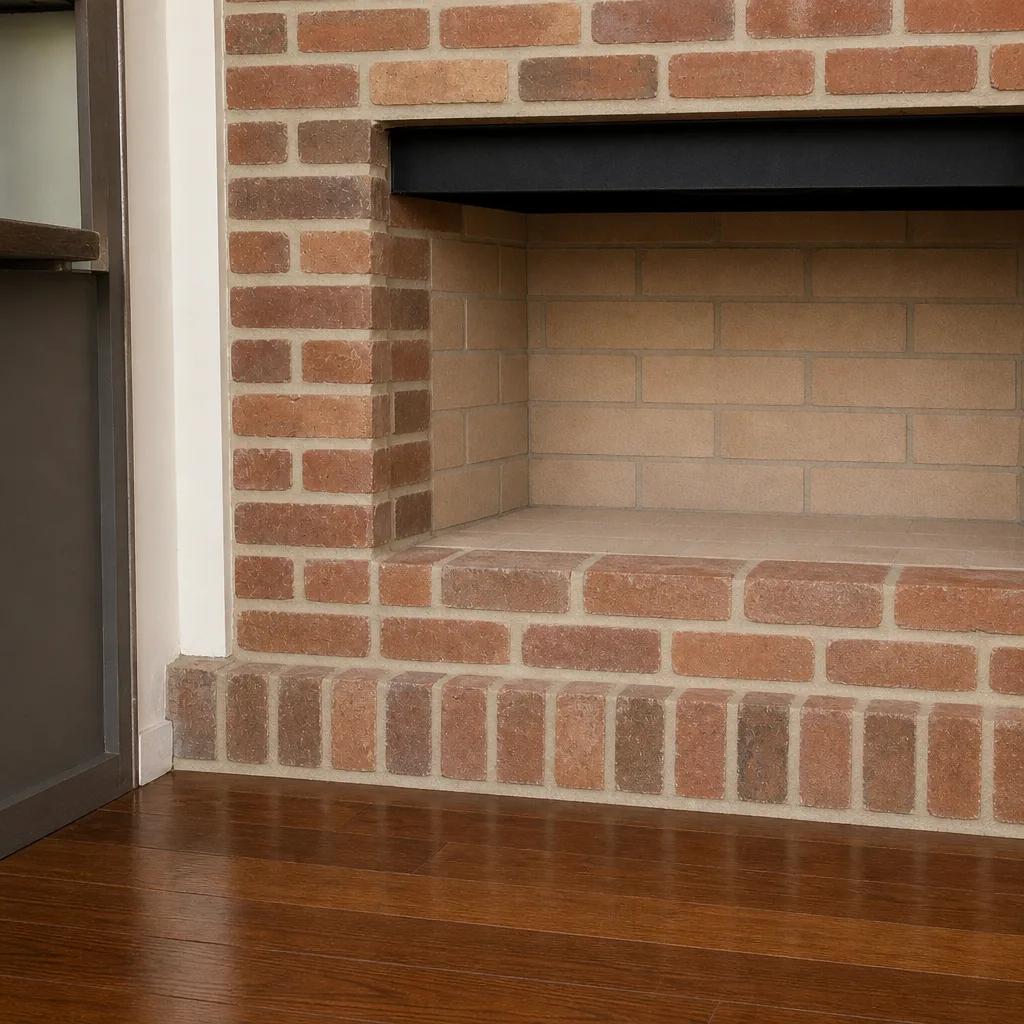
See the difference
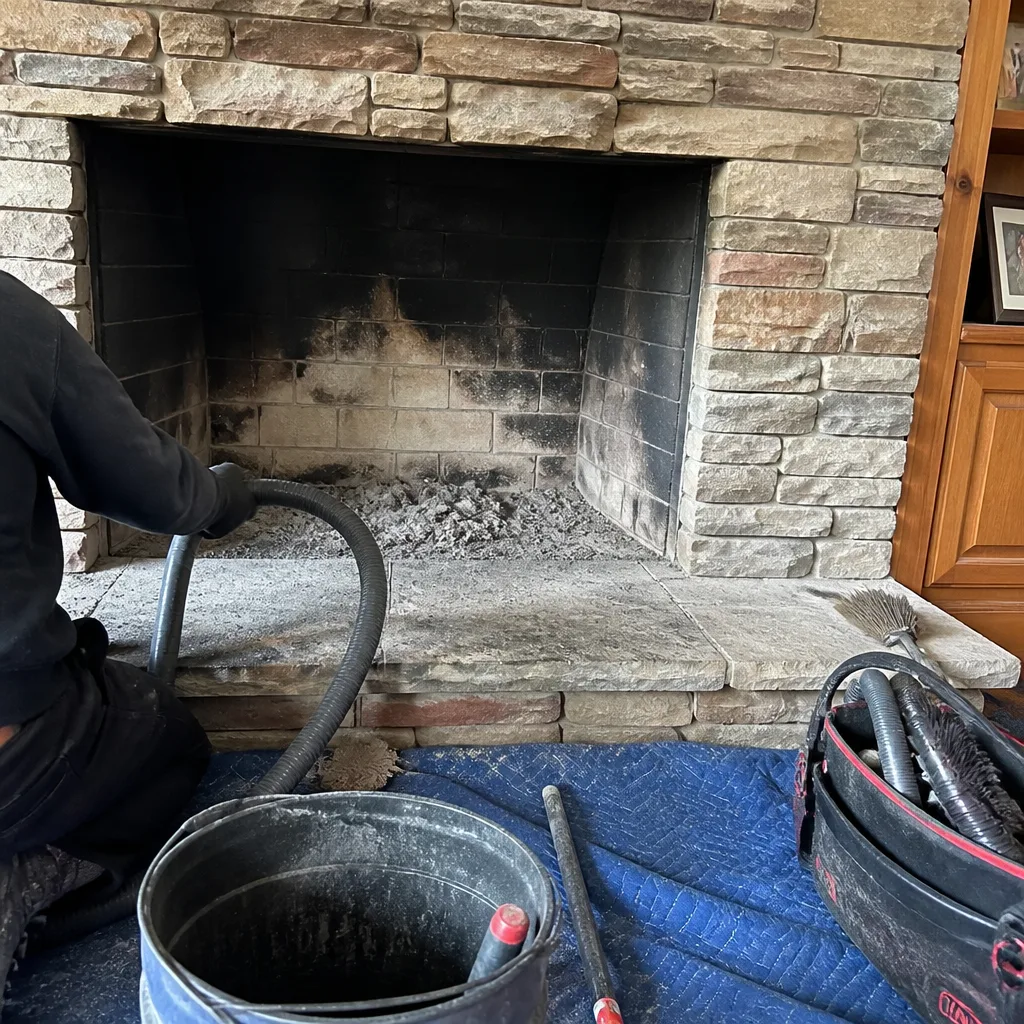 Before
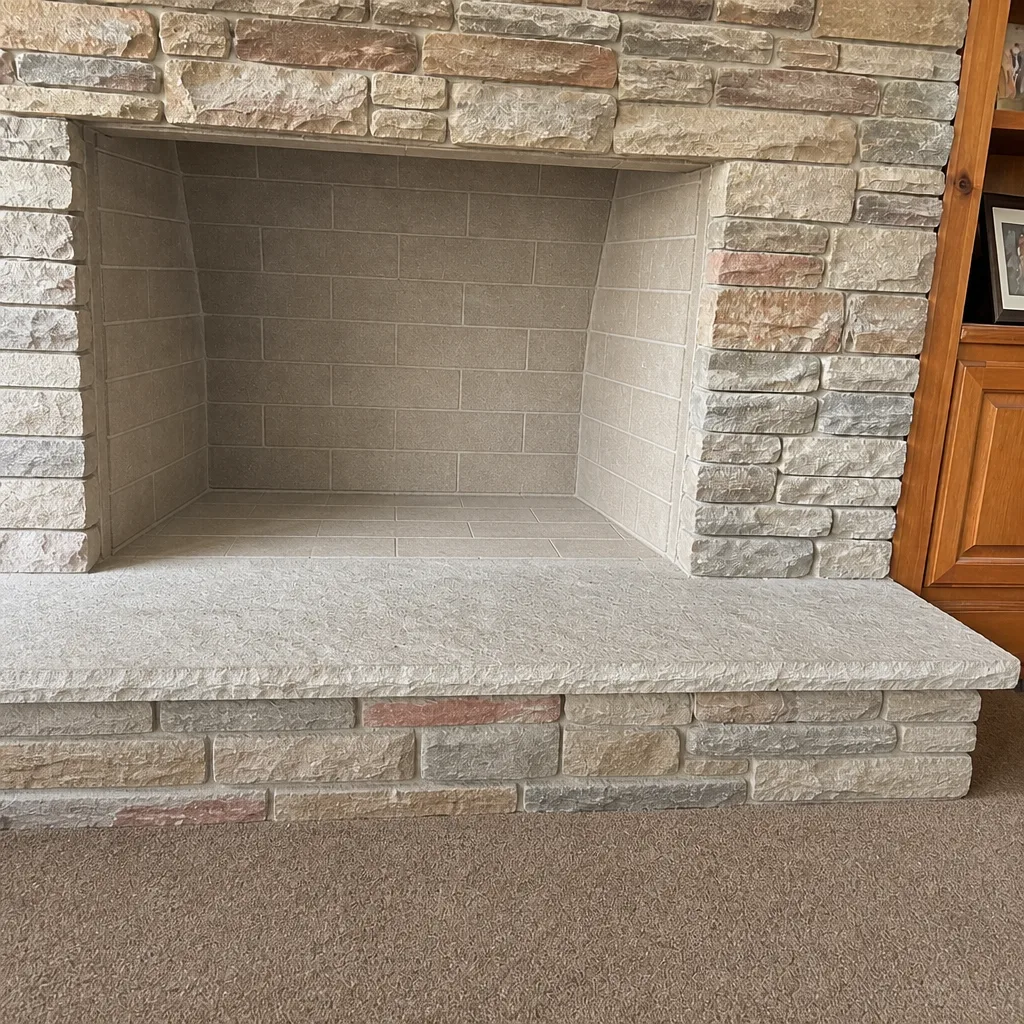 After
 Before
 After
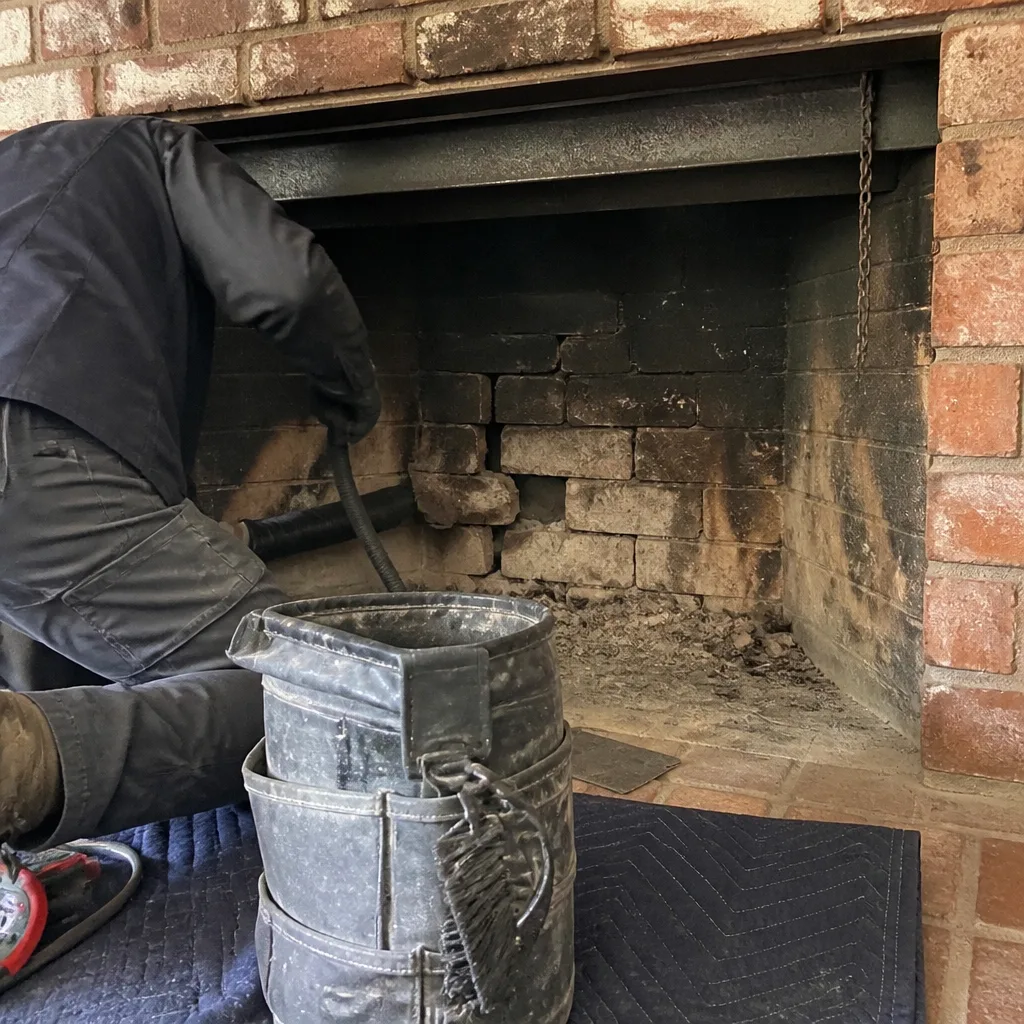 Before
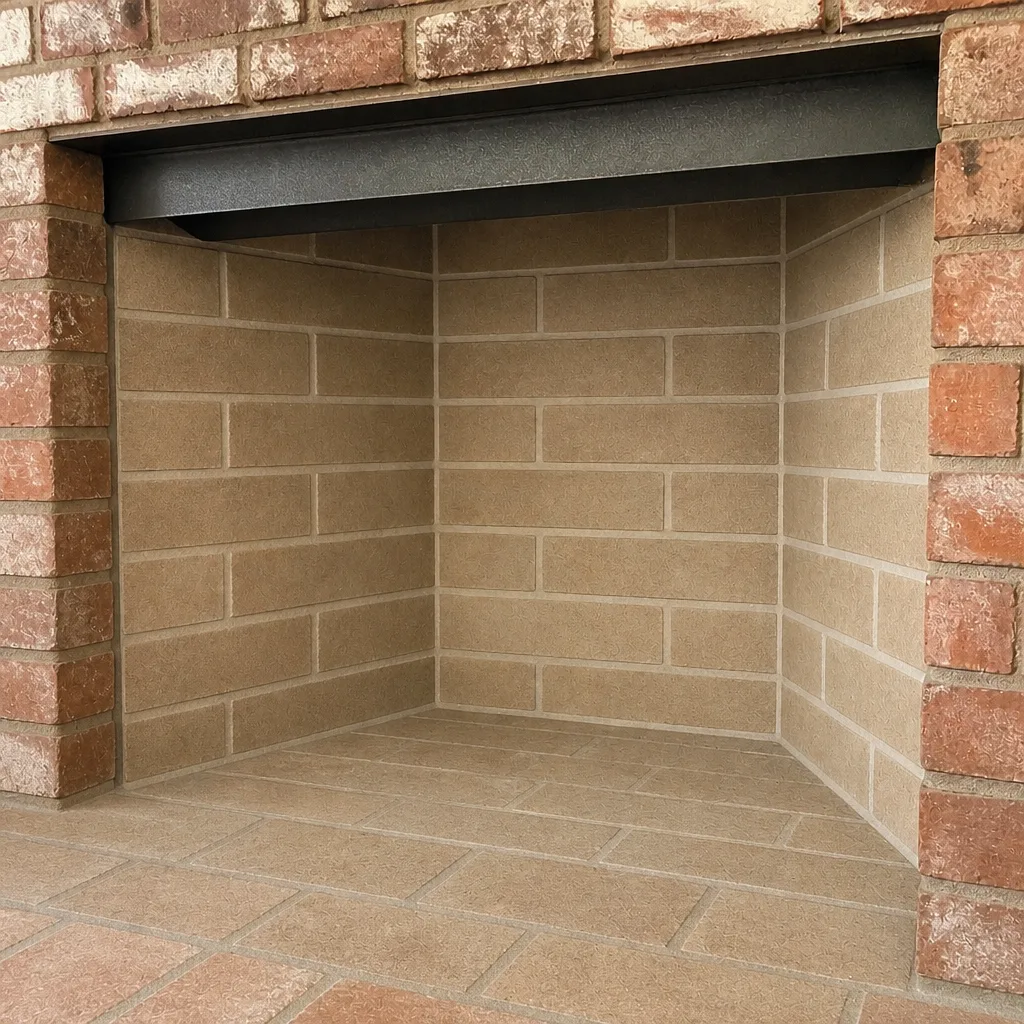 After