
Last updated November 15, 2026
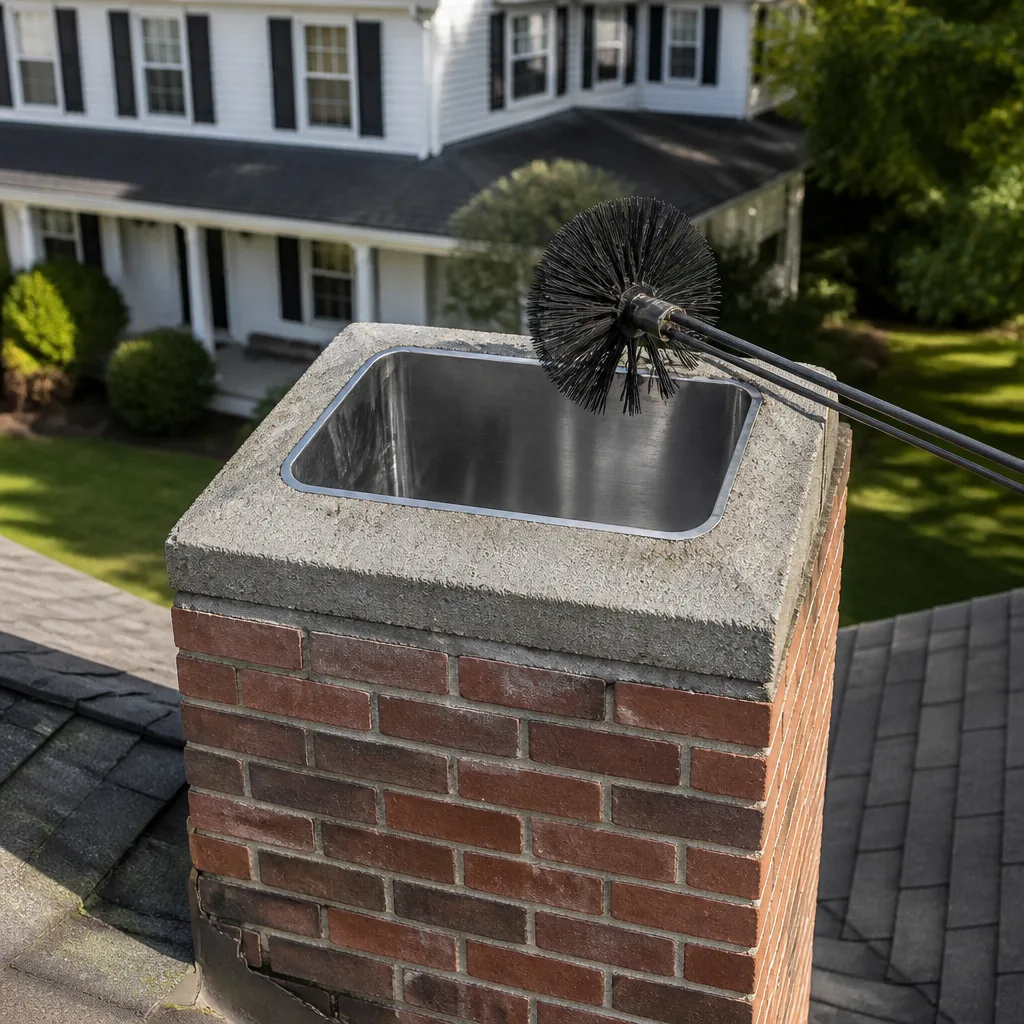 Sweep & inspection
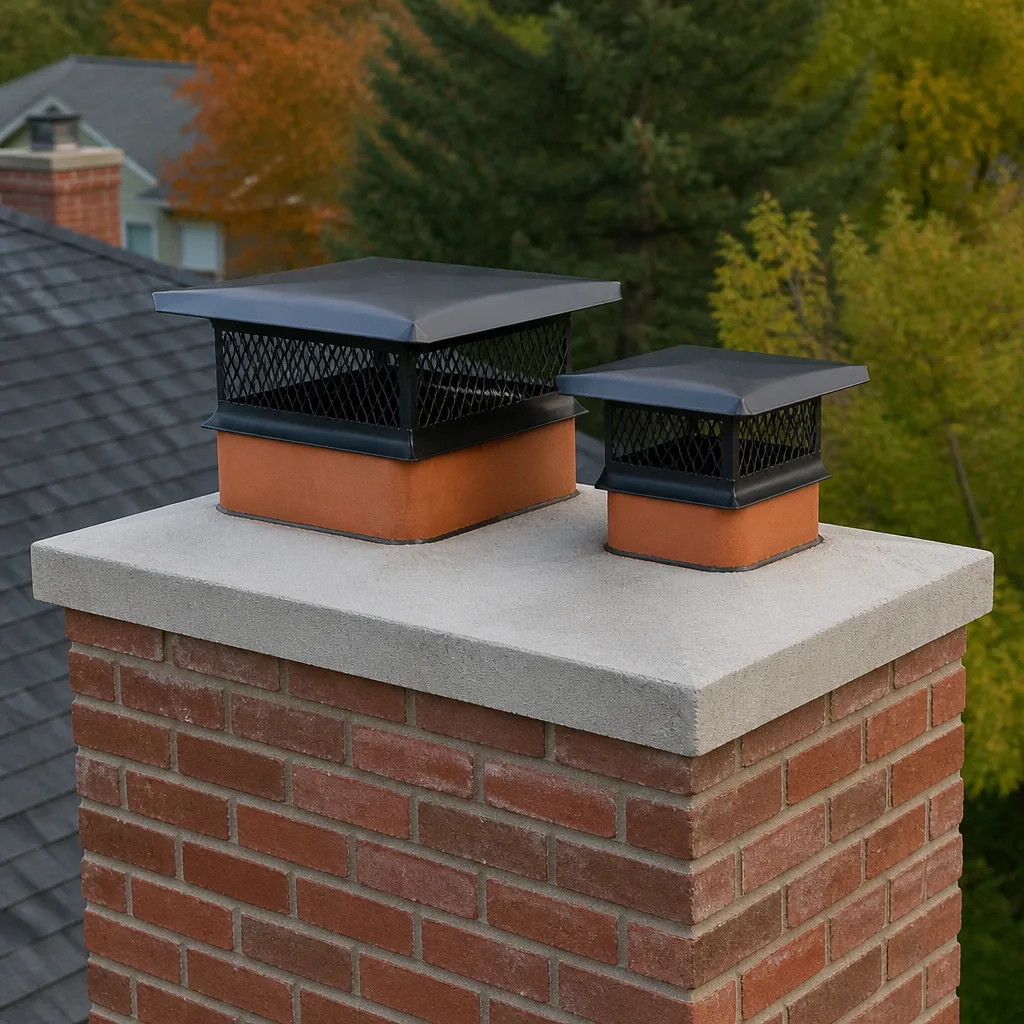 Caps & crowns
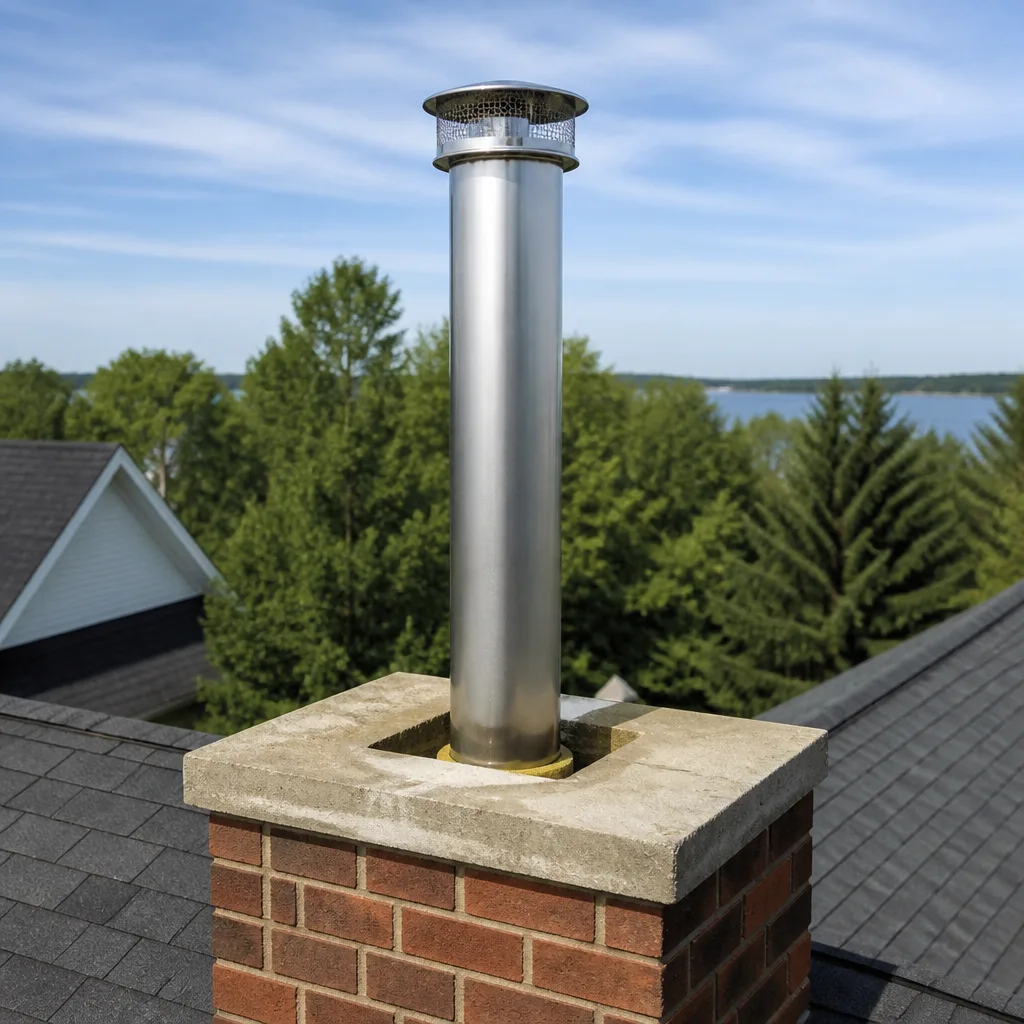 Flue relining
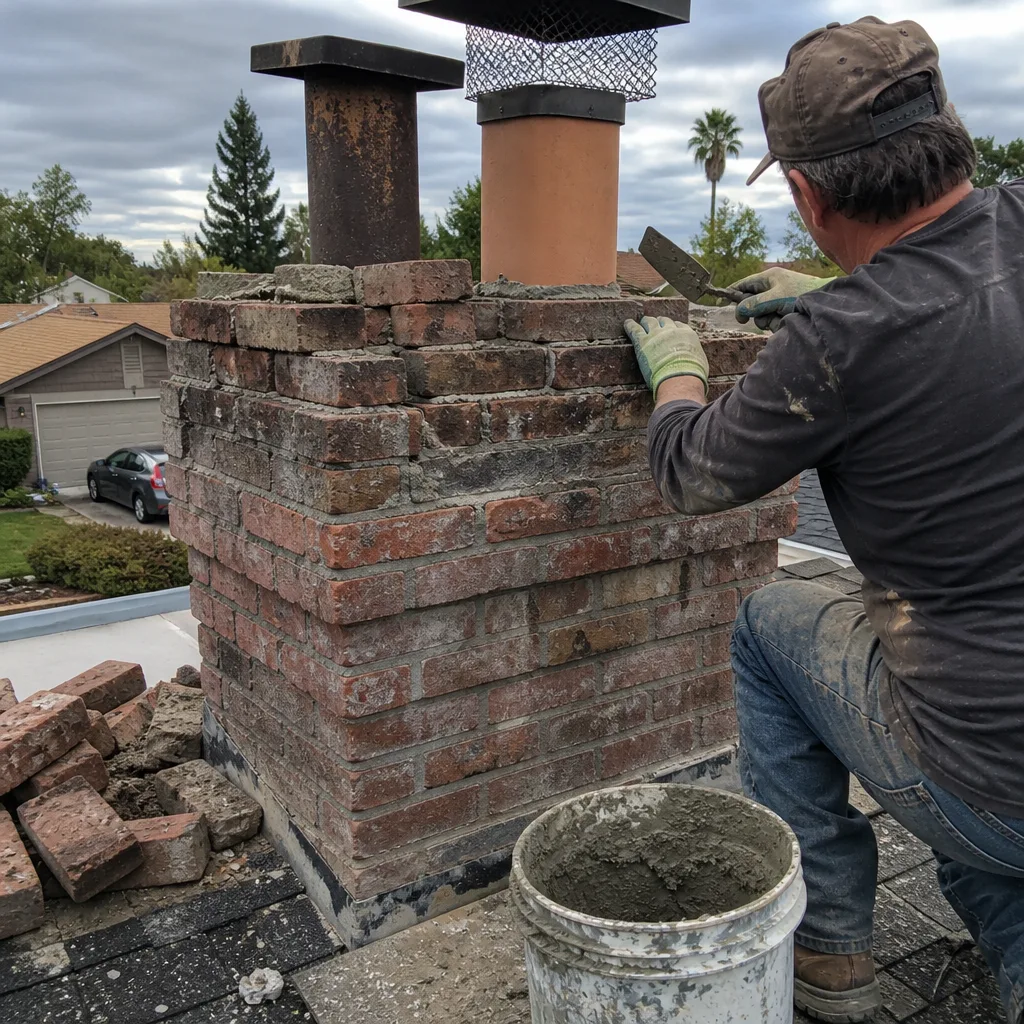
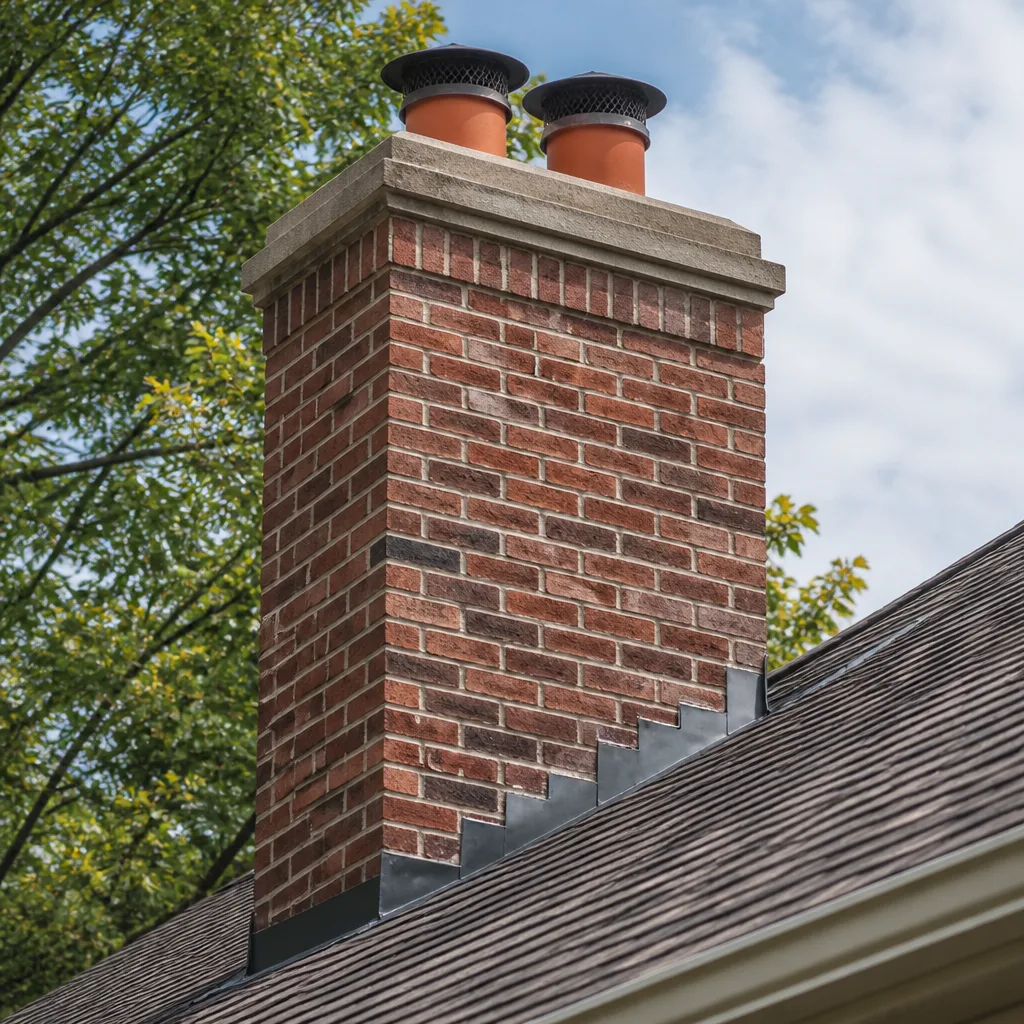 Masonry repair
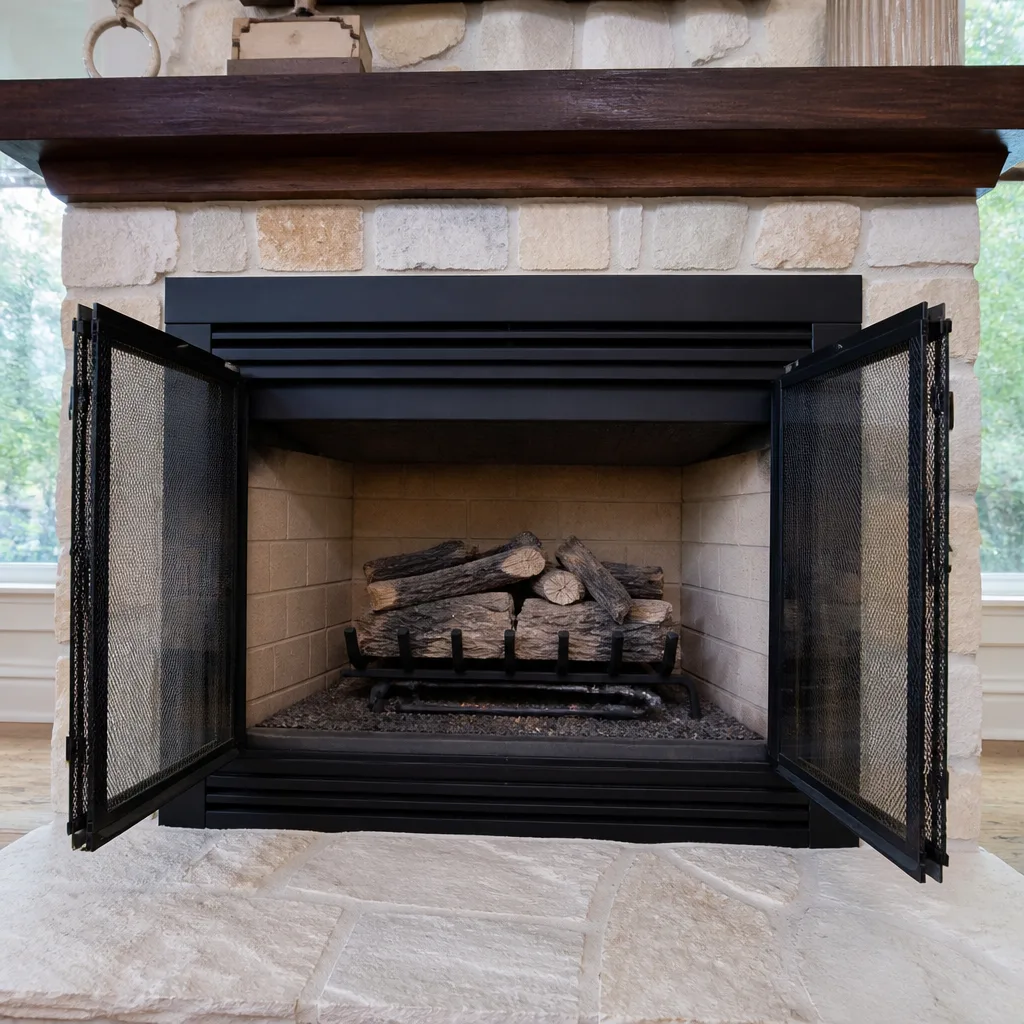 Gas fireplace service
Level 1 sweep and inspection to the NFPA 211 annual standard - flue, crown, cap, and flashing checked and photographed
Chimney sweep logs do not sweep chimneys. They loosen some creosote - which then falls where a brush and vacuum still have to collect it.
DIY vs Professional Chimney Cleaning: The Roseville Homeowner’s Decision Guide
You can legally sweep your own chimney in California. No license is required, no permit is issued, and no inspector shows up to check your work. That’s the fact most DIY guides lead with, and it’s true. What those guides leave out is the part that matters after a chimney fire: the written inspection report your insurance carrier will ask for, and the fact that you can’t produce one. This guide reframes the DIY-versus-pro question around risk, not just cost. You’ll learn what an $80 brush kit actually removes, what it leaves behind, why Roseville’s housing stock changes the physical math of a self-sweep, and when doing it yourself is genuinely fine.
Quick Answer
For most Roseville homeowners with a wood-burning fireplace or stove, professional cleaning is the safer choice because a certified sweep removes creosote a hand brush can’t reach, documents the flue’s condition in a written report your insurer will accept, and catches problems like cracked liners before they become fires. DIY sweeping is reasonable only for a lightly used fireplace venting a gas log set, or a wood fireplace burned well under a cord a year, and only when you can safely reach and inspect the entire flue.
Styles & brands we work with
- Sweep & inspection
- Caps & crowns
- Flue relining
- Masonry repair
- Gas fireplace service
Table of Contents
- The Real Question: Who Owns the Risk?
- What a Brush Kit Removes vs What a Rotary System Removes
- The Three Stages of Creosote and Which Ones You Can Handle
- The Insurance Documentation Gap
- Physical Access: Roseville’s Home Styles and Flue Heights
- When DIY Is Genuinely Appropriate
- What Can Go Wrong During a DIY Sweep
- What a Professional Sweep Actually Includes
The Real Question: Who Owns the Risk?
The DIY chimney cleaning debate usually gets framed as money versus convenience. That framing misses the point. When you sweep your own chimney, you’re not just saving a service fee, you’re assuming a set of liabilities that a professional sweep transfers to someone else.
Here’s what changes hands. A certified sweep arrives with liability coverage, carries out the work to a recognized standard, and hands you a written inspection report that documents the flue’s condition on the day of service. If a chimney fire happens six months later and your insurer asks what the flue looked like before the loss, you have a dated document from a trained third party. If you swept it yourself, you have nothing but your own word.
That gap matters more than most homeowners realize. Insurance carriers don’t routinely demand chimney inspection records, but when a fire claim involves a chimney, the adjuster’s first question is often about maintenance history. A documented annual inspection is evidence of ordinary care. A self-sweep, however well done, leaves no paper trail. It’s not that DIY is negligent; it’s that DIY can’t produce the specific artifact a claim review may hinge on.
There’s a second layer of risk transfer that gets discussed less often. A professional sweep who damages something during cleaning is on the hook for it. A homeowner who dislodges a damper or scores a clay liner during a self-sweep owns that repair outright. A cracked liner isn’t a small fix; it can mean a full reline. Suddenly the $80 brush kit looks less like savings and more like a bet against your own handiwork.
None of this is an argument that every homeowner must hire out every sweep. It’s an argument that the decision should be made with the full picture in view. If your goal is a clean flue and nothing else, DIY can work under narrow conditions. If your goal is a clean flue plus documented evidence of safe operation, that’s a professional job by definition.
What a Brush Kit Removes vs What a Rotary System Removes
A basic DIY brush kit handles one kind of creosote: the soft, sooty, flaky variety that builds up in the first several inches of flue above the firebox. That’s genuinely useful cleaning, and for light-use fireplaces it’s often enough to keep draft healthy. What the brush kit doesn’t do is reach the glazed, hardened deposits that form higher in the flue, especially where the chimney passes through cooler exterior walls.
Professional sweeps use rotary cleaning systems with flexible rods and spinning brush heads that follow the flue’s contours, including offsets and bends a straight hand brush can’t navigate. The rotary action also abrades the harder deposits that a hand brush just polishes and slides over. This is the mechanical difference that determines whether a sweep actually cleans your flue or just rearranges the top layer.
Here’s the practical split:
- Hand brush kit: removes Stage 1 creosote (soft, flaky soot); effective on the first few feet of flue; poor reach into offsets and angled sections; no ability to assess liner condition from above.
- Rotary system: removes Stage 1 and Stage 2 creosote (hardened, brittle deposits); reaches full flue length including bends; can be paired with a camera for inspection; identifies problems the brush alone would miss.
- Neither brush: removes Stage 3 creosote (glazed, tar-like) safely. Stage 3 requires chemical treatment or, in severe cases, liner replacement. Brushing hard glazed creosote can damage the liner beneath it.
If you’re weighing a DIY sweep, the honest first step is to find out what stage of creosote you’re dealing with. Looking up the flue with a flashlight focused on the damper area tells you a lot. If you see anything shiny, tar-like, or heavily crusted, that’s beyond the range of a brush kit, and the right move is a professional inspection before anything gets brushed.
The Three Stages of Creosote and Which Ones You Can Handle
Creosote forms in three recognizable stages, and each one behaves differently. Understanding the stages tells you quickly whether a DIY sweep is a reasonable option or a shortcut that leaves the dangerous residue in place.
- Stage 1 – Soot and flaky dust. Black, powdery, brushes off easily. Forms when the fire burns hot with adequate air. This is what most DIY sweeps handle well. If your flue only ever shows Stage 1, your burning habits are good and your maintenance interval is probably on the long side.
- Stage 2 – Hardened, brittle deposits. Crusty, dark, and sometimes flaky but dense enough to require more force than a hand brush can deliver. A rotary head cuts through it. This is the stage where most home brush kits stop being effective, which is also the stage where a lot of chimneys in Roseville sit after a few seasons of moderate use.
- Stage 3 – Glazed, tar-like creosote. Shiny, hardened, sometimes puddled like candle wax. Highly flammable. This is the condition that turns a routine chimney fire into a structural one. Stage 3 cannot be brushed out safely; the liner material underneath is at risk. A trained professional should assess it and recommend either chemical treatment under supervision or relining with a system like DuraFlex.
Roseville’s burning season is relatively short compared to mountain towns, which would suggest slower creosote buildup. The countervailing factor is burn quality. Cool, smoldering fires, unseasoned wood, and closed dampers push Stage 2 and Stage 3 formation faster than hot, well-aerated burns. A homeowner who burns dry oak hot once a week may build less creosote than one who burns damp wood slowly all winter. That’s why the “how often should I sweep” question has no single answer. The flue tells you, not the calendar.
The Insurance Documentation Gap
Here’s the part of the DIY conversation that doesn’t get enough airtime. Most homeowners insurance policies don’t require an annual chimney inspection. What they require, in practice, is evidence that the homeowner took ordinary care of the chimney if a claim ever comes up. The mechanism for providing that evidence is a written inspection report from a qualified third party.
A professional chimney sweep produces exactly that document. After cleaning, the sweep inspects the flue and writes up the findings: the visible condition of the liner, the firebox, the damper, the cap, and the exterior of the chimney. The report includes the date, the technician’s findings, and a recommendation for follow-up if needed. That report travels with the home’s maintenance file. If a chimney fire happens, the adjuster sees a dated record of professional inspection, not a gap in documentation.
A DIY sweep, however careful, produces nothing you can hand to an adjuster. You know you cleaned the chimney. Your carrier doesn’t. There’s no requirement that you submit anything at the time of cleaning, but the absence of a record becomes a talking point if a claim is ever contested.
This is also where the chimney repair conversation ties in. If an inspection finds a cracked clay tile or a deteriorating mortar joint, having that finding documented before a problem develops is a very different situation from having it discovered after a fire. The report functions as a snapshot. It shows what was known and when. A homeowner who self-sweeps can still call a professional for an annual inspection-only visit, which is often less expensive than a full cleaning and provides much of the same documentation value. That’s a reasonable hybrid approach: clean it yourself between professional inspection visits, and keep a formal report on file each year.
The inspection levels most sweeps work to follow NFPA 211 standards – Level I for routine annual service, Level II when a change of fuel, appliance, or occupancy is involved, and Level III when a hidden hazard is suspected. For most Roseville homeowners, Level I is what the annual visit looks like. A Level II inspection involves a camera and is common after a chimney fire, a liner replacement, or a home purchase.
Physical Access: Roseville’s Home Styles and Flue Heights
Roseville’s housing stock creates two very different DIY experiences depending on what kind of home you’re in. Single-story ranch homes with a chimney on the exterior wall are the easier case. The flue is relatively short, the termination is often within reach of a step ladder at the roof edge, and a bottom-up sweep from the firebox can usually clear the whole run. Even here, a proper job requires getting on the roof to check the cap and confirm the flue isn’t obstructed from the top.
Two-story homes, and single-story homes where the chimney runs through the interior, are a different story. The flue is taller, often with a bend where the chimney offsets. Reaching the top safely means real roof access, and the flue length is longer than any single brush kit will reach. This is also where improper brush sizing becomes a real risk: a brush that’s too large for the flue cracks clay tiles, and a brush that’s too small skips the sides entirely.
The physical constraints you need to consider before deciding:
- Roof pitch and material. A shallow pitch on a composite shingle roof is walkable. A steeper pitch, or any tile roof, is not something to climb without fall protection and roof-access experience.
- Chimney height above the roofline. Tall chimneys need taller ladders, which need firmer footing than most backyards provide on their own.
- Flue length and offset. If the flue has any bend, a straight hand brush is likely to miss sections entirely. Rotary systems flex around the bend; a homeowner rig typically doesn’t.
- Interior chase vs exterior chimney. Interior chases tend to run longer and hotter, meaning the flue deposits are different, and the access panel may be tucked behind finish walls.
- Cap and crown condition. A proper sweep checks the cap, the crown, and the flashing. If you can’t safely reach the top, you can’t check any of these.
For a lot of Roseville homes, the honest answer is that the sweep itself isn’t the hard part – the safe access is. If getting to the top of the flue means climbing onto a roof you wouldn’t otherwise stand on, that alone tips the decision toward professional service.
When DIY Is Genuinely Appropriate
DIY chimney cleaning isn’t inherently unsafe. It works fine in a defined set of circumstances, and pretending otherwise is the kind of overcautious framing that pushes people away from good information. Here’s when a homeowner can reasonably handle the sweep themselves.
Gas log inserts and vented gas fireplaces. Gas appliances produce little or no creosote. The cleaning they need is mostly dust and debris removal, plus an annual check that the venting is clear and the logs are properly positioned. That’s within reach of a careful homeowner for the cleaning portion, though gas appliances still benefit from professional inspection because venting problems on gas can produce carbon monoxide.
Light-use wood fireplaces. “Light use” in the chimney trade usually means under one cord of wood a year, burned hot in a well-drafted firebox with seasoned wood. A cord is a stack 4 feet high, 4 feet deep, and 8 feet long – roughly the volume of a small pickup bed loaded to the cab. If you’re burning less than that in a season and your fires are hot and clean, an annual brush-and-look is often sufficient.
Flues you can actually reach and see. A single-story exterior chimney with a straight vertical flue and a walkable roof is the DIY sweet spot. You can reach the top, look down the flue, run a properly sized brush through, and confirm what came out.
When you commit to an annual professional inspection. The hybrid model works well: homeowner sweeps during the year, professional inspection during the annual visit. This preserves the documentation trail without paying for cleaning twice.
What’s not on the list: any flue showing glazed creosote, any chimney with an angled offset, any two-story or interior-chase flue, and any home with a wood stove or insert where the flue runs through a masonry chimney with an unfamiliar liner. Those are professional-only scenarios for safety reasons, not for profit reasons.
What Can Go Wrong During a DIY Sweep
The failure modes of a DIY sweep aren’t dramatic. They’re quiet, gradual, and sometimes more expensive than the sweep would have been. Here’s what we watch for when we’re called in to fix a DIY job that went sideways.
Damper dislodgement. The damper is the metal plate above the firebox that opens and closes the flue. A brush pushed through from the bottom can catch the damper plate, flip it out of its frame, or bend the pivot. Once it’s dislodged, the damper often won’t seal properly, meaning cold air and sometimes smoke leak back into the room. Replacing a damper is real repair work.
Liner damage from improper brush sizing. A brush that’s too small polishes the creosote without removing it, which is annoying but not dangerous. A brush that’s too large is worse. It scores the inside of a clay flue tile, and a single cracked tile can mean a reline. A 13×13 flue tile has walls only a few inches thick; a stiff wire brush forced through doesn’t have much margin for error.
Dislodged mortar or debris falling into the firebox. Sweeping from the top can knock loose mortar joints or chunks of clay into the firebox. If you’re not ready for that drop, and you’re pushing from above, the debris can damage the firebox or get lodged where you can’t see it. Professional sweeps work from the bottom up for exactly this reason, with drop cloths and a vacuum staged in the firebox before anything moves.
Creosote spread instead of removal. A brush run too fast, or with the wrong head type, can polish glazed creosote into a smooth layer that looks clean but ignites at lower temperatures than the rougher Stage 2 deposits. Homeowners who think they’ve cleaned a Stage 3 flue often haven’t.
Missed liner cracks. Without a camera or professional inspection from the top, a homeowner has no way of seeing the upper third of the flue. Cracks and gaps in that zone are what let hot gases reach combustible framing during a chimney fire. A brush can’t reveal what it can’t reach.
Roof injury. The most common physical risk isn’t the chimney, it’s the ladder. Roof access is a genuine hazard, and no clean flue is worth a fall.
What a Professional Sweep Actually Includes
A professional sweep is more than a cleaning. At Chimney Sweep Roseville, the visit covers the full sequence in one stop so nothing falls to a second contractor later.
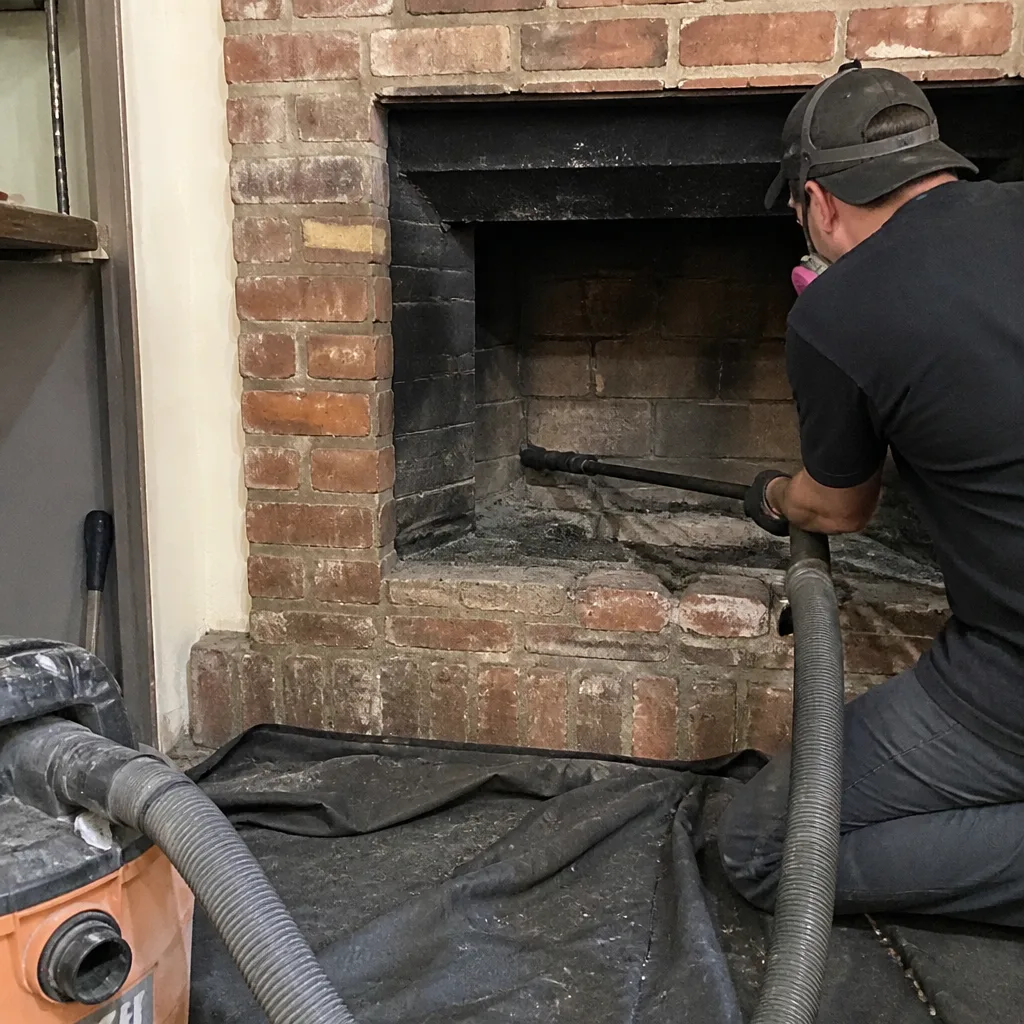
- Pre-sweep inspection. The technician looks at the firebox, damper, and flue opening before any cleaning, notes anything obviously wrong, and stages drop cloths and a HEPA vacuum in the firebox to contain the dust.
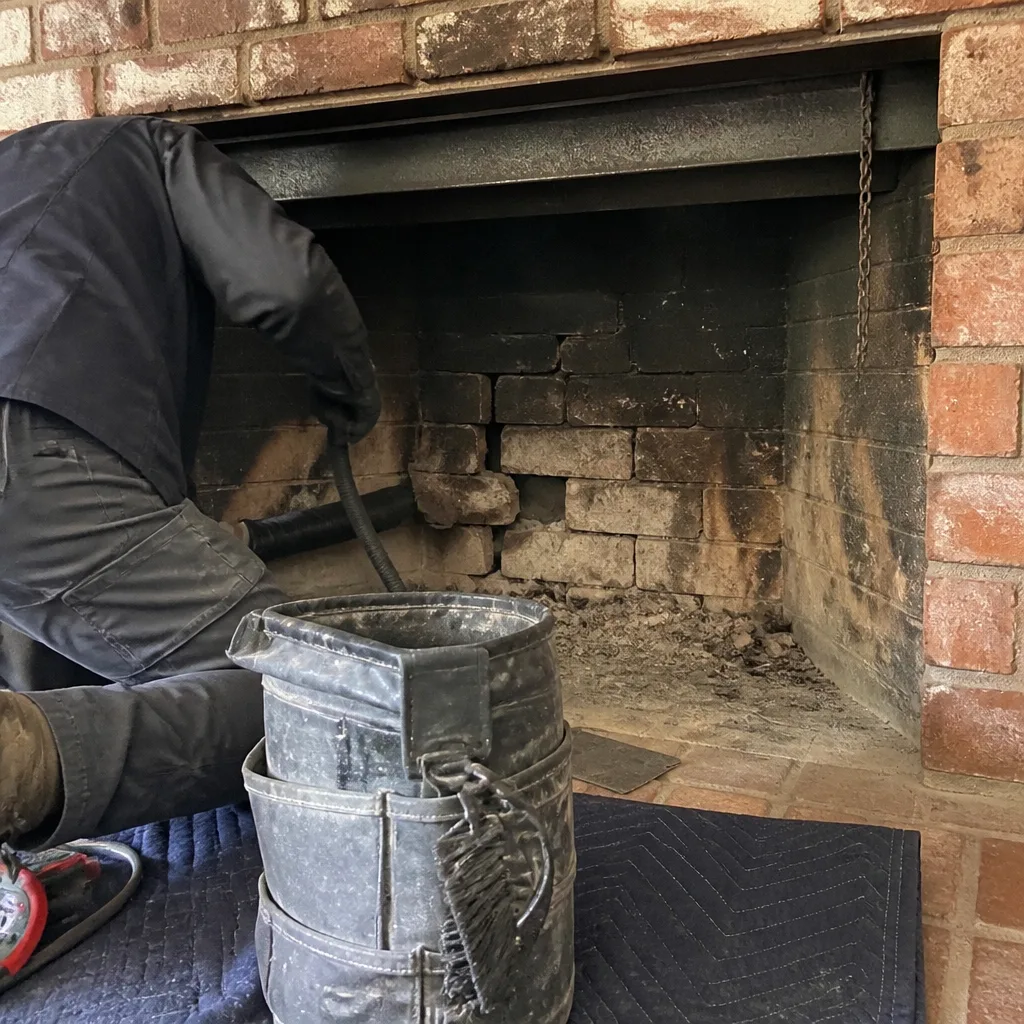
- Cleaning. A chimney sweep uses rotary brushing sized to the flue, working from the firebox up so any loosened deposits stay contained. The smoke shelf, smoke chamber, damper, and firebox get cleaned along with the flue.
- Upper-flue and cap check. From the roof, the technician confirms the cap is intact, checks the crown for cracks, and looks at the top of the flue for any evidence of a previous fire or obvious damage.
- Post-sweep inspection report. Findings are written up, dated, and handed to the homeowner. This is the documentation that a self-sweep cannot provide, and it’s what your insurance carrier would want to see if a claim ever came up.
- Repair recommendations if needed. If the inspection surfaces a problem – a cracked tile, a failing mortar joint, a damaged cap – the same company can quote the repair. For liner restoration short of replacement, we specify HeatShield ceramic resurfacing; for full relining, DuraFlex and Copperfield flexible liner systems. For components, we use Olympia Chimney, Gelco, and Famco parts. These are the brands a certified sweep expects to see specified, and they’re what Roseville chimneys are typically built to accept.
The value of the sweep as a package isn’t that any one step is impossible to do yourself. It’s that the sequence is what makes the documentation trustworthy, and the documentation is what makes the visit worth more than the cleaning alone. If the single-company approach matters to you, we’re a Roseville chimney specialist by focus: chimney work is all we do, and the inspection, cleaning, and repair all come from the same place. Our technicians have up to 9 years of experience, which means the person on the roof has seen many of the same conditions your chimney presents.
Common Mistakes to Avoid
- Burning green or unseasoned wood to “save money” on firewood. Seasoned wood burns hot and clean; unseasoned wood puts moisture up the flue and accelerates creosote formation. If the wood sizzles when you touch a hot poker to it, it isn’t ready.
- Deciding “not much smoke” means “not much creosote.” Visible smoke is only part of the picture. Glazed creosote builds slowly and invisibly above the firebox. Only a camera run or a top-down inspection reveals it.
- Pushing a wire brush through a flue without knowing the brush size is correct for the tile. A brush that’s too large cracks tiles, and a cracked tile can require a reline. Measure the flue opening first.
- Sweeping from the top down without drop cloths staging in the firebox. Debris falling uncontrolled can crack the firebox, lodge in the damper, or fill the room with soot. Bottom-up is the safer direction.
- Skipping the roof-side check after a bottom-up clean. The flue’s upper third is where the worst problems hide. A sweep that never gets above the damper is an incomplete sweep.
- Assuming gas logs never need attention. Gas appliances build less creosote than wood, but venting problems, cracked logs, and carbon monoxide risk are separate concerns. An annual inspection catches those.
- Discounting a professional inspection report because the chimney “looks fine from inside.” The report isn’t for the day of cleaning; it’s for the day something goes wrong. Its value is in hindsight, and hindsight is exactly when you don’t want to be piecing it together.
See the difference
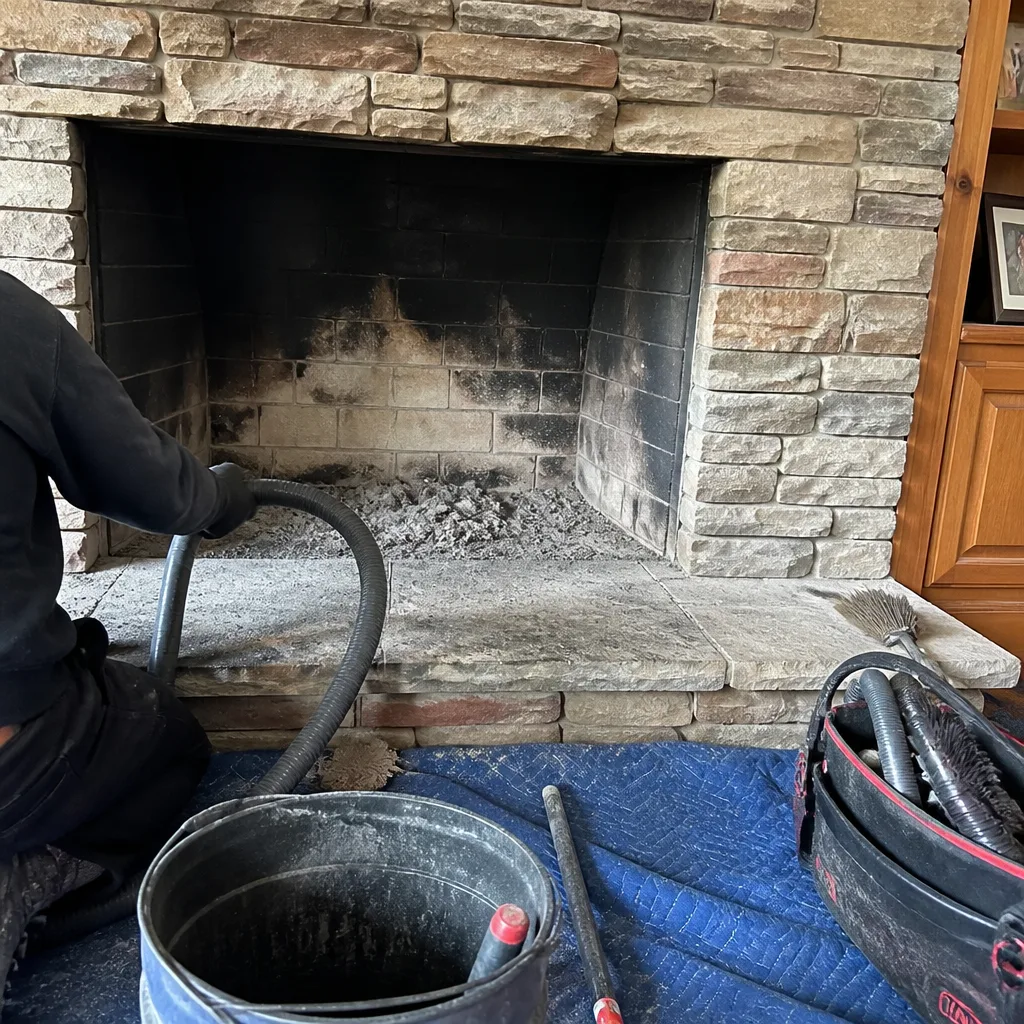 Before
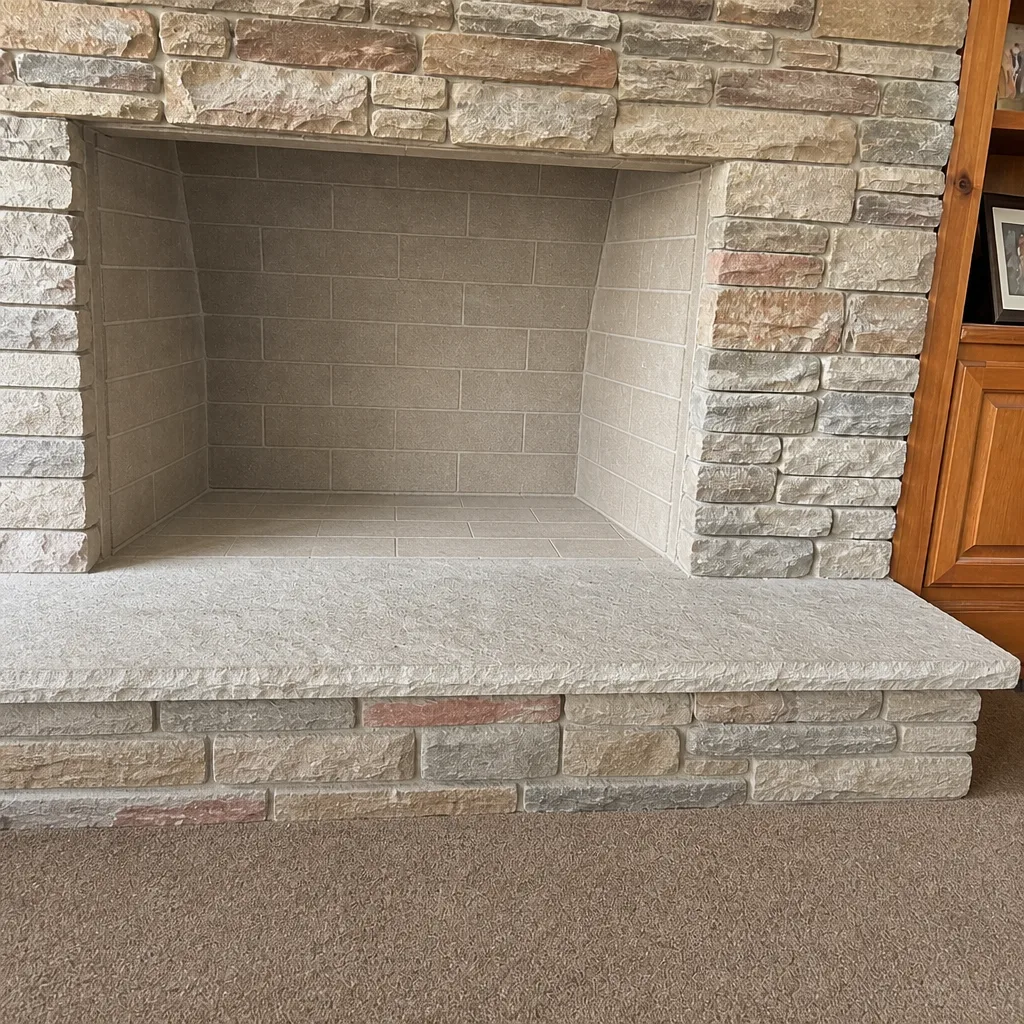 After
 Before
 After
 Before
 After
When to Call a Professional
Some situations aren’t DIY decisions at all. Call a professional sweep if you see any of the following: glazed, tar-like creosote in the flue; a two-story chimney or an interior chase where the flue runs through the home; a wood stove or insert with an unfamiliar liner; warped or cracked damper components; a smell of creosote lingering in the house when the fireplace isn’t in use; any chimney fire within the last season; smoke spilling back into the room when the fire is lit; or a flue that hasn’t been inspected since before you owned the home. Any of those is a professional visit, not a DIY job. Chimney Sweep Roseville offers free estimates in Roseville – call (833) 946-0150. We answer 24/7, with fast dispatch from 7am to 7pm, Sunday through Friday.
Frequently Asked Questions
Yes, California doesn’t require a license to sweep a residential chimney, and homeowners are generally free to clean their own flues. The catch isn’t legality, it’s documentation and safe access: a DIY sweep produces no written inspection report and no proof of condition, which can matter during an insurance claim. Call (833) 946-0150 for an exact quote on a professional visit – estimates are free.
Typical pricing depends on the flue, liner condition, and whether an inspection or repair is bundled in, so a written estimate is the only reliable number. You can request a free estimate by calling (833) 946-0150. Chimney Sweep Roseville prices per job, not by the hour, and the written estimate sets the final price.
Yes, if you want the maintenance to be documented. Self-sweeping handles the cleaning, but a professional Level I inspection provides the dated written report your insurance carrier would want to see if a chimney fire ever led to a claim. A hybrid model – annual professional inspection, homeowner sweep in between – is a common compromise. Call (833) 946-0150 to book an inspection.
Stage 1 is soft, flaky soot that brushes off easily. Stage 2 is hardened, brittle deposit that needs a rotary system to remove. Stage 3 is glazed, tar-like creosote that can’t be safely brushed and often needs chemical treatment or relining. If you see Stage 3, stop before brushing and call (833) 946-0150 for a professional assessment.
Not safely. Two-story flues are tall enough that reaching the top requires roof access, and the run length usually exceeds what a hand brush kit can handle in one continuous motion. Improper brush sizing on a tall flue risks cracking the clay tile. Call (833) 946-0150 to schedule a professional sweep instead.
Creosote builds in layers, and at the Stage 3 point it becomes highly flammable. A chimney fire at that stage can crack the liner and let hot gases reach combustible framing, and carbon monoxide from a blocked flue can back up into the living space. Nothing dramatic happens the first winter, which is why the buildup is easy to ignore. Call (833) 946-0150 for an inspection before the next burning season.
The Bottom Line
The DIY-versus-professional chimney cleaning decision comes down to what you’re actually buying. A DIY sweep buys a cleaner flue. A professional sweep buys a cleaner flue plus a written inspection report, liability coverage on the work, and a set of trained eyes on the top third of the flue that you can’t safely reach. For a lightly used fireplace with good burning habits, a homeowner sweep between annual professional inspections is a reasonable middle ground. For anything showing hardened or glazed creosote, for two-story and interior-chase flues, and for any chimney with a question mark in its history, professional service is the right call. Chimney work is all we do at Chimney Sweep Roseville, and the inspection, cleaning, and repair all come from the same company. Call (833) 946-0150 for a free estimate. We answer 24/7. Fast dispatch, 7am-7pm, Sunday through Friday.
Written by the team at Chimney Sweep Roseville.