
Last updated November 15, 2026
 Sweep & inspection
 Caps & crowns
 Flue relining
 Masonry repair
 Gas fireplace service
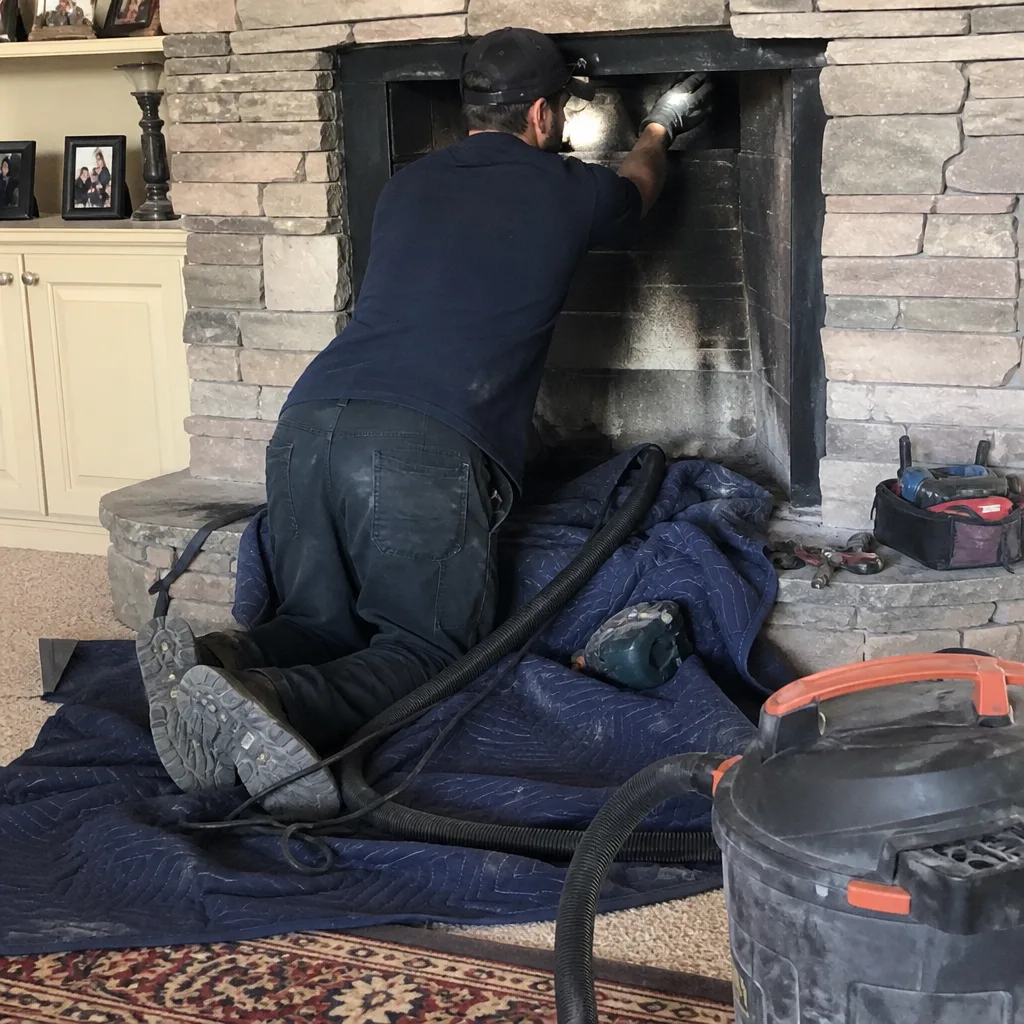
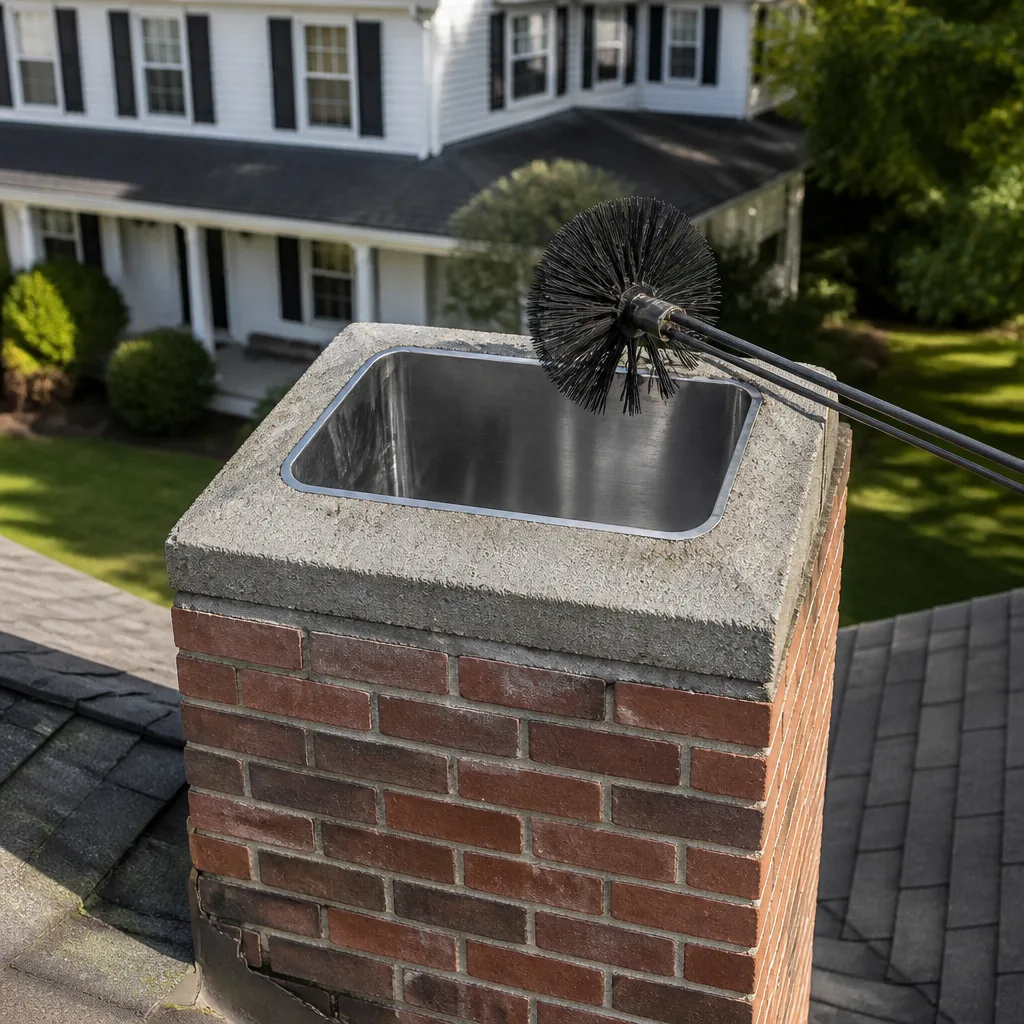
Level 1 sweep and inspection to the NFPA 211 annual standard - flue, crown, cap, and flashing checked and photographed
Chimney sweep logs do not sweep chimneys. They loosen some creosote - which then falls where a brush and vacuum still have to collect it.
Chimney Cleaning Emergency Preparedness Guide for Roseville Homes
A chimney fire can burn at 2,000°F for under 60 seconds and leave no visible flame from outside. Most Roseville homeowners who’ve had one don’t know it happened. That’s the part people miss: they expect sirens and smoke, but a chimney fire often announces itself with a low rumble, a smell like hot metal, or nothing at all until a camera goes down the flue months later and finds cracked tile. Roseville sits in a Tier 2 fire hazard zone where a chimney event can escalate from a house problem to a neighborhood evacuation, and the difference between a chimney fire and a smoke-back event changes what you do in the first sixty seconds. This guide walks through how to recognize a chimney fire in progress, what to tell a 911 dispatcher, why a Level 2 inspection is required by code after a fire, and how Spare the Air days change the rules for wood burning in Roseville.
Quick Answer
If you suspect a chimney fire, get everyone out, call 911, and tell the dispatcher it’s a chimney fire with a possible flue obstruction. After any fire, NFPA 211 requires a Level 2 inspection before you light another match. A chimney cap in good condition, a CO detector placed within 10 feet of sleeping areas, and a pre-season sweep are the three prep items that matter most for Roseville homes.
Styles & brands we work with
- Sweep & inspection
- Caps & crowns
- Flue relining
- Masonry repair
- Gas fireplace service
Table of Contents
- How Do You Know a Chimney Fire Is Happening?
- What Should You Tell a 911 Dispatcher in Roseville?
- What Happens After a Chimney Fire?
- How Do Spare the Air Days Affect Wood Burning in Roseville?
- What Belongs in a Pre-Season Emergency Kit?
- Why Is a Level 2 Inspection Required After a Fire?
- How Do You Prevent the Next Chimney Emergency?
How Do You Know a Chimney Fire Is Happening?
A chimney fire can be loud or completely silent. The loud version gets noticed. The silent version burns hot and slow, restricted by a flue obstruction or a heavy creosote glaze, and does its damage without ever producing visible flame at the top of the stack. Our technicians have up to 9 years of experience pulling cameras through flues that had all the outward signs of a quiet chimney but showed heat spalling and cracked tile from a fire that happened, sometimes, years before.
Here is what to watch for while a fire is burning:
- Sounds: a low roaring rumble, a vibrating hum like a distant train, or rhythmic popping. These come from creosote igniting in layers.
- Smells: a sharp, hot-metal odor, or a burning smell that returns after the fire has settled into coals.
- Visible cues from outside: sparks or flames visible above the chimney cap, thick dark smoke that puffs in rhythm, or a shimmer above the crown like heat off summer road.
- Silent cues: a sudden hot spot on the chimney breast inside the house, a wall that feels warm to the touch, or a puff of smoke backing into the room when you open the door to reload.
Roseville’s seasonal wind shifts off the valley can push thick smoke down a flue and trigger a smoke-back event that mimics a fire. Smoke-back means combustion gases entered the living space; a chimney fire means something ignited inside the flue. Both are serious, both require the fire department, but only one is a fire in progress. Knowing the difference keeps you from underreacting and from panicking.
What Should You Tell a 911 Dispatcher in Roseville?
Call 911 first, then get out. Dispatchers in Roseville route structure fire calls to the fire department, and the details you give in the first thirty seconds shape the response. The single most useful sentence is: “I have a chimney fire with an active flue obstruction and heavy creosote buildup.” That tells the dispatcher the type of fire, the likely fuel load, and whether crews should expect a flue fire containment operation rather than a full structure attack.
What to include in your call:
- The address and any access notes: a gate code, a locked side yard, or a parked car that blocks the driveway.
- Whether you have already cleared the house and whether anyone is still inside.
- The type of appliance involved: a wood-burning fireplace, a wood stove, or a gas insert.
- Approximate time since the fire started and whether the chimney has been swept recently.
- Whether the chimney is inside or outside the footprint of the home: interior chimneys run through attic space and can move fire into the roof structure.
Once crews arrive, tell them which chimney cap is on the flue and whether it locks. Firefighters use chimney snuffers or extinguishing sticks on some flue fires, and a locked cap can slow that work. If you have a chimney access or flue sweep report from a recent inspection, have it ready. Our team keeps inspection records available to homeowners for exactly this reason.
What Happens After a Chimney Fire?
After any chimney fire, three things have to happen before you light another fire: the chimney needs a Level 2 inspection, any damage needs repair, and the appliance needs to come back into service clean. NFPA 211, the standard that governs chimneys and vents, calls for a Level 2 inspection after a damaging event, including a chimney fire, a flue obstruction, or a sudden pressure event like a draft collapse.
The sequence most Roseville homeowners go through:
- Fire department response and clearance. Crews confirm the fire is out and note any areas that appeared to extend into the structure.
- Level 2 camera inspection. Our technicians run a camera the full length of the flue to check for cracked tiles, open joints, warped liners, and damage to the chimney crown and cap. The photo and video report is handed to you, not held back.
- Repair work. Damage is repaired with materials matched to the flue type: HeatShield ceramic resurfacing for a flue that is pitted or slight-jointed but sound enough to restore, or a DuraFlex flexible liner system for a flue that has lost structural integrity. Both are purpose-built products used by professional chimney technicians across the country, not hardware-store substitutes.
- Sweep and verification pass. The flue is cleaned and inspected again to confirm it’s ready for use.
Skip any of those steps and the next fire runs against a compromised flue. That’s how a small chimney event becomes a structure fire. We offer chimney repair and inspection as one service under one roof, so you don’t have to chase a second contractor once the camera shows what needs fixing.
How Do Spare the Air Days Affect Wood Burning in Roseville?
On a Spare the Air Day in Roseville, wood burning can be restricted or prohibited for a defined window, and the restriction applies to wood-burning fireplaces and wood stoves as well as outdoor fire pits. The program operates on a daily forecast: not every day is a burn day, and not every no-burn advisory is mandatory. The mandatory advisories are the ones that carry the rule. Operating a wood fireplace during a mandatory no-burn advisory in Roseville can result in a fine, and enforcement is done through the air quality district, not your chimney sweep.
What matters for preparedness:
- Check the daily Spare the Air status before you light. The forecast is issued the day before, so a quick morning check tells you whether tonight is a burn night.
- Gas inserts and gas fireplaces are not wood burning and are not restricted under the same rule. If your appliance runs on gas, the advisory does not apply to it.
- A clean flue reduces visible smoke. A dirty flue with heavy creosote actually smokes more from the cap, not less, and busy neighbors are the ones who call.
The underlying safety question underneath the regulation is the same as the fire question: is your appliance burning cleanly? A chimney that has been swept and inspected burns with less visible smoke, and the difference between a clean flue and a dirty one can be obvious from the curb. If you’re not sure where your chimney stands, the chimney sweep we perform includes a camera inspection and photo report so you can see what’s in your flue before the season starts.
What Belongs in a Pre-Season Emergency Kit?
The pre-season kit is short, cheap, and genuinely useful the night something goes wrong. Most of it costs under what you’d spend on a takeout dinner, and none of it is exotic. Here is what to have accessible before the first fire of the season in Roseville:
- A fireplace screen or glass door that closes firmly. This is the primary barrier against sparks reaching carpet, upholstery, or a Christmas tree in December.
- Working smoke detectors on each level and inside each bedroom. Test them all once in October.
- Carbon monoxide detectors on each level and within 10 feet of every sleeping area. A CO detector placement rule that matters: put one outside the door of the bedroom, not inside a closed closet or next to the furnace.
- A dry-chemical fire extinguisher rated for ABC fires, checked for pressure, mounted in the room with the fireplace.
- A flashlight and a high-visibility marker on your address sign. Emergency responders need to find the house fast.
- A written copy of your chimney inspection report, with the date and the technician’s notes on it.
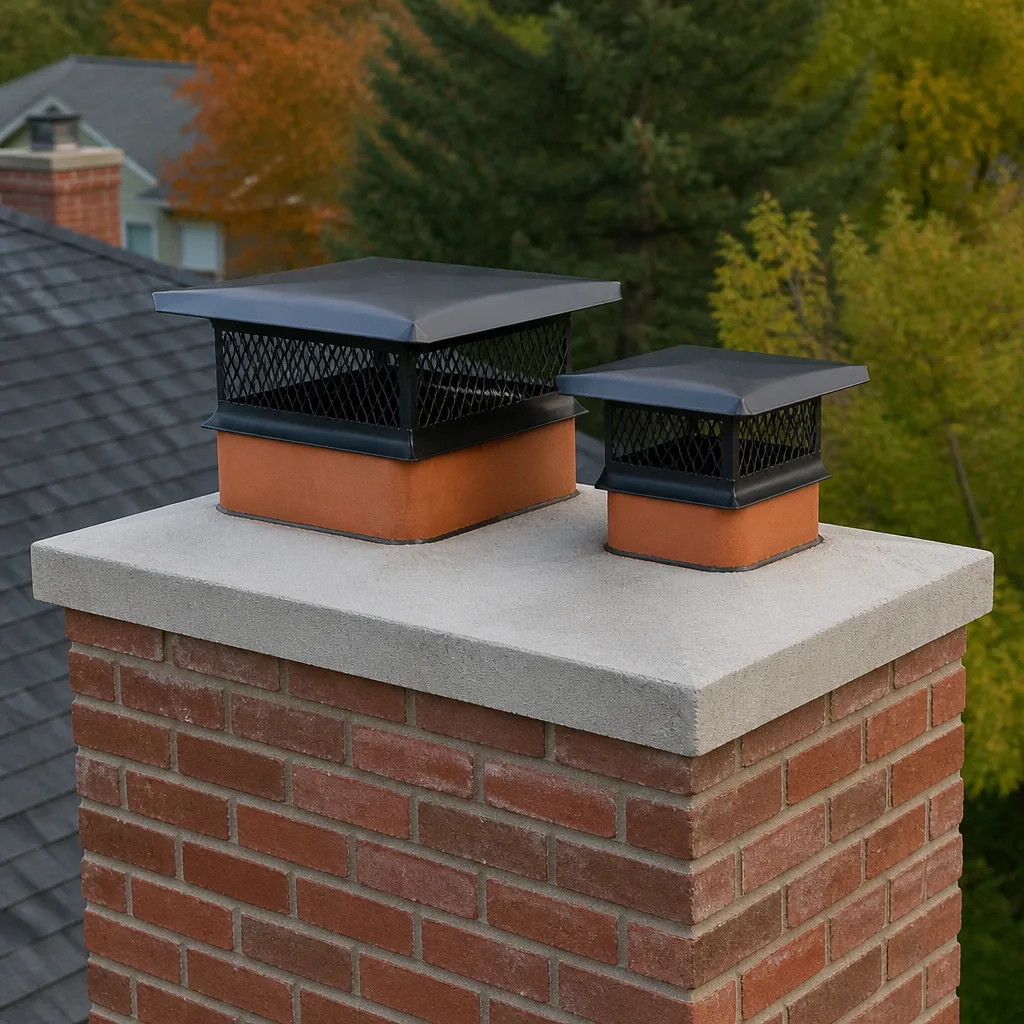
Chimney cap condition belongs on this list as a walk-around check, not a purchase. A cap that has been blown loose or rusted through lets water, birds, and debris into the flue. A cap that’s missing entirely is the single most common gap we find when we do a preseason check of a Roseville home.
Why Is a Level 2 Inspection Required After a Fire?
A Level 2 inspection is required after a chimney fire because the fire damages the flue in places you cannot see from the firebox or the roof. It’s the standard set by NFPA 211, and it goes beyond the Level 1 visual check that a routine sweep includes. Level 2 means a full-length camera inspection of every flue, an inspection of the chimney interior, and a look at all accessible parts of the vent system, including the connector pipe on a wood stove.
What a Level 2 inspection catches that a Level 1 misses:
- Cracked or spalled flue tiles that open a path for heat and combustion gases into the surrounding framing.
- Missing or migrated mortar joints that let creosote and heat pass into the chimney structure.
- A warped or buckled liner in a factory-built chimney. Once a liner is distorted, the flue no longer vents safely.
- Hidden damage to the smoke chamber or the chimney crown that only a camera and a top-down view will show.
A Level 3 inspection goes further: it opens walls or digs into the structure when a Level 2 camera inspection finds evidence that the fire extended into the home. Level 3 is rare, and we’re clear about when it’s actually necessary. Nothing we recommend goes on the estimate without a camera image you can look at yourself. If the inspection shows damage that can wait safely until spring, we say so, and the written estimate is the final word on price.
How Do You Prevent the Next Chimney Emergency?
The best emergency response is the one you never need. Prevention for a Roseville home comes down to three habits: annual sweeping, annual inspection, and burning dry wood. Creosote is the fuel that turns a routine fire into a chimney fire, and creosote forms slowly between sweeps. A flue that gets an annual sweep every season never accumulates the heavy glaze that produces 2,000°F fires.
A realistic prevention rhythm looks like this:
- Schedule a sweep before the burning season begins, not in the middle of it. A sweep booked in late summer or early fall catches damage while there’s still time to repair it before the first fire.
- Get a Level 1 inspection with every sweep. It’s a fire-safety checkpoint, not a formality, and it’s the reason you know the cap is seated and the flue is sound.
- Burn seasoned wood with a moisture content that produces steam rather than smoke. Unseasoned wood builds creosote faster than any other variable.
- Check the chimney cap and crown once a season. A rusted cap that lets water into the flue starts a slow damage clock.
- Keep the CO detectors and smoke detectors on the same monthly test schedule, and change the batteries on a fixed date every year.
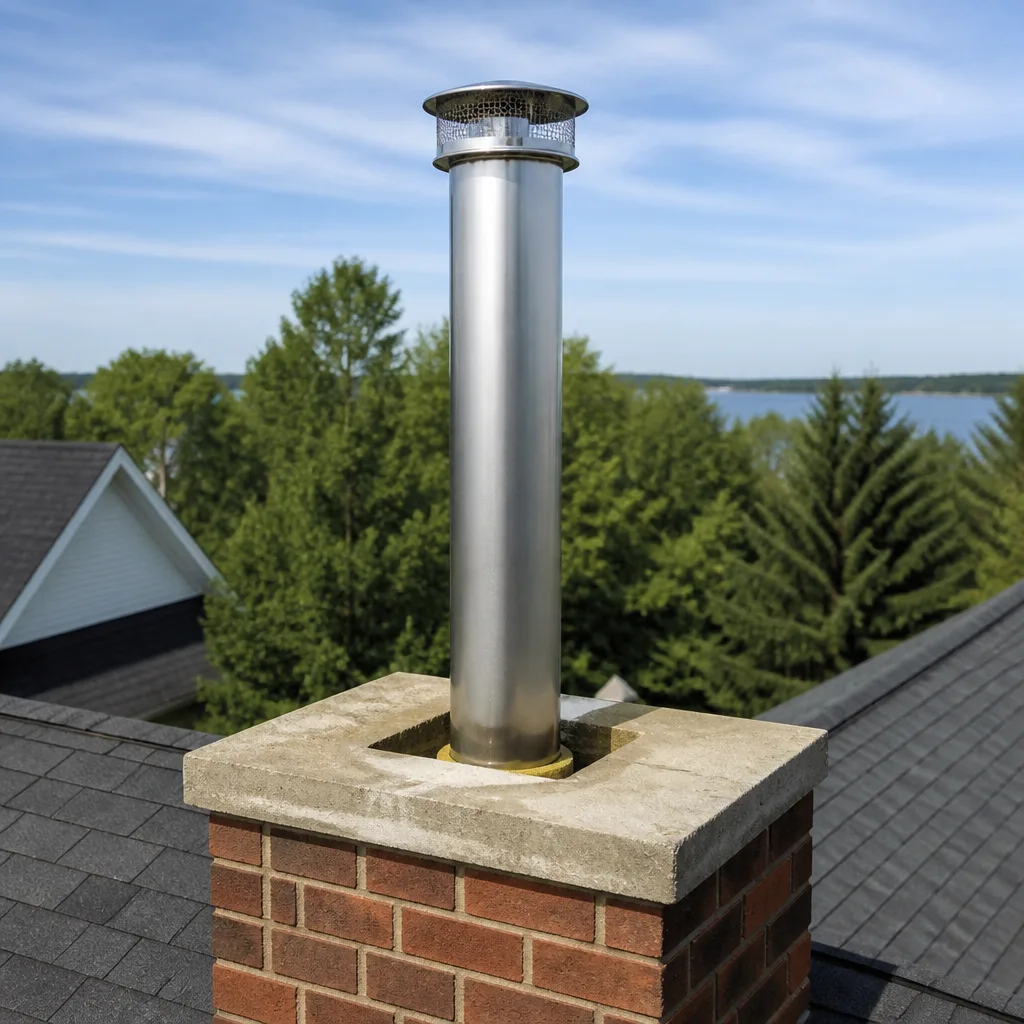
If the flue needs relining after a fire or a bad season, specify the product by name. We use Chimney Sweep Roseville materials including DuraFlex flexible liners, Copperfield liner systems, HeatShield ceramic resurfacing, Famco components, Gelco products, and Olympia Chimney parts. In every case, the point is the same: a purpose-built liner specified for your appliance and vented correctly, not an off-brand substitute that will fail at the joint that matters.
Common Mistakes to Avoid
- Lighting another fire after a chimney event to “test it.” The flue may look sound and still be cracked inside. A Level 2 inspection is required for a reason.
- Assuming a chimney fire always makes noise. Silent fires are the ones that go undetected, and Roseville homes with exterior chimneys are especially prone to them because the damage sits outside the thermal envelope.
- Calling a general handyman instead of a chimney specialist. A handyman can install a cap; a chimney sweep brings the camera, the liner product knowledge, and the repair materials a chimney actually requires.
- Leaving a chimney cap off through the off-season. Caps keep water, birds, and debris out of the flue. A loose cap is not a cosmetic issue.
- Ignoring Spare the Air advisories. A mandatory no-burn day applies to wood fireplaces, and a fine is not the only consequence; enforcement visits often lead to a look at your chimney and appliance.
- Skipping the pre-season CO detector test. Carbon monoxide has no smell, and a detector with a dead battery is the same as no detector.
- Waiting until December to book a sweep. The weeks before the first fire are the easiest window to get an appointment and the safest time to fix what the inspection finds.
See the difference
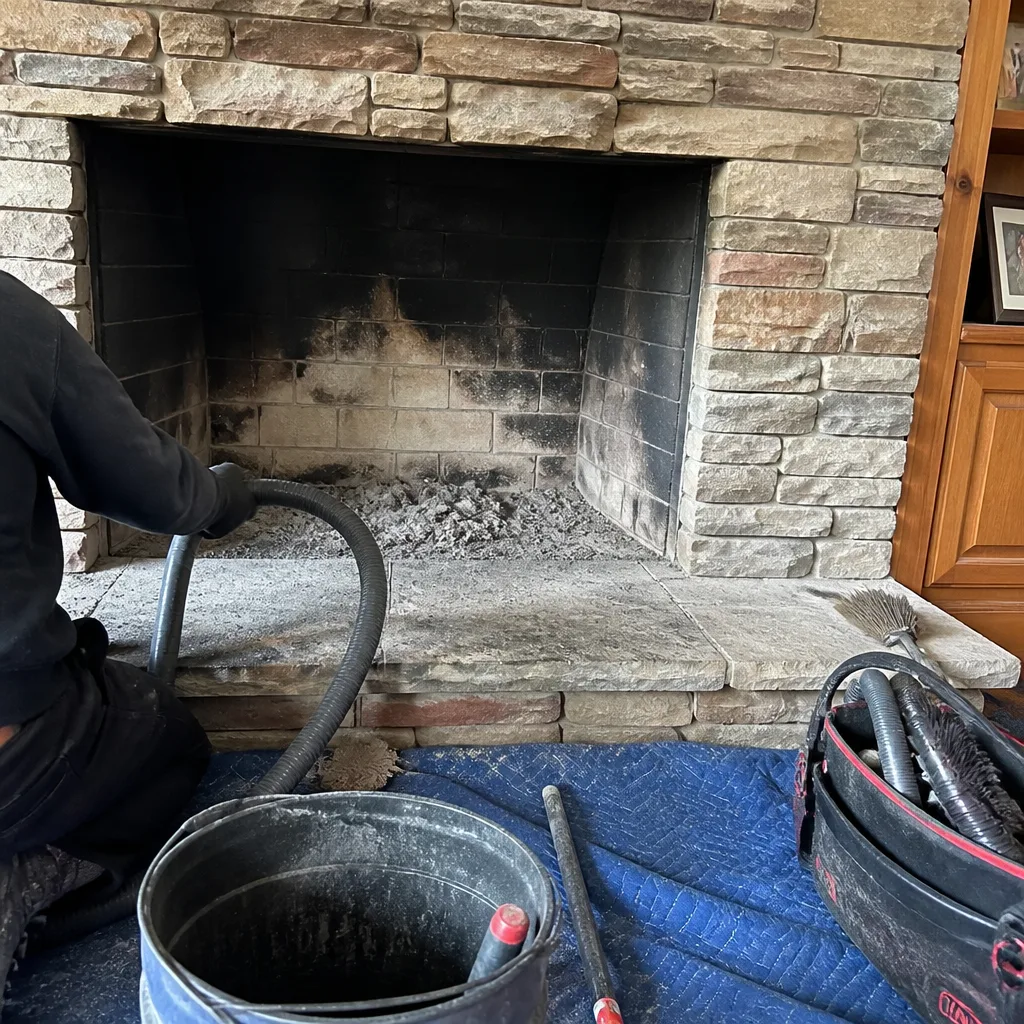 Before
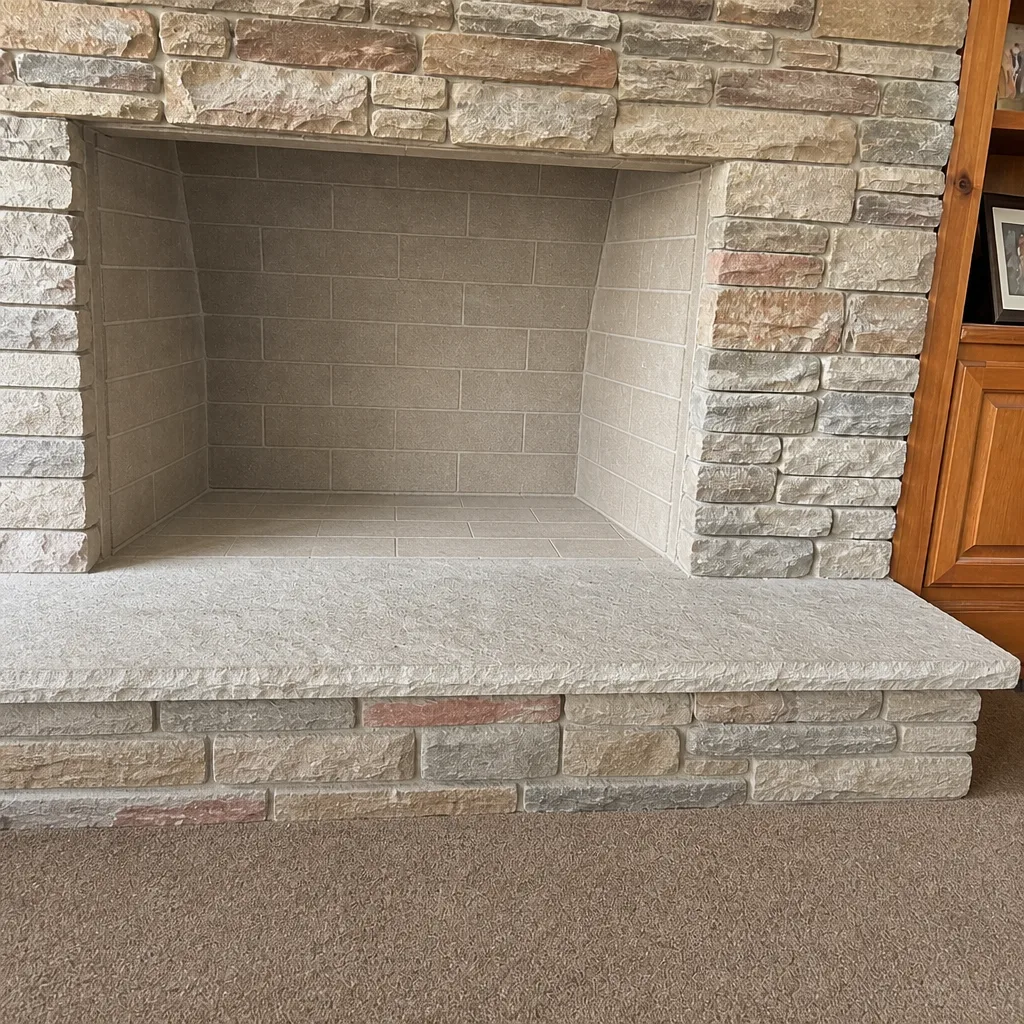 After
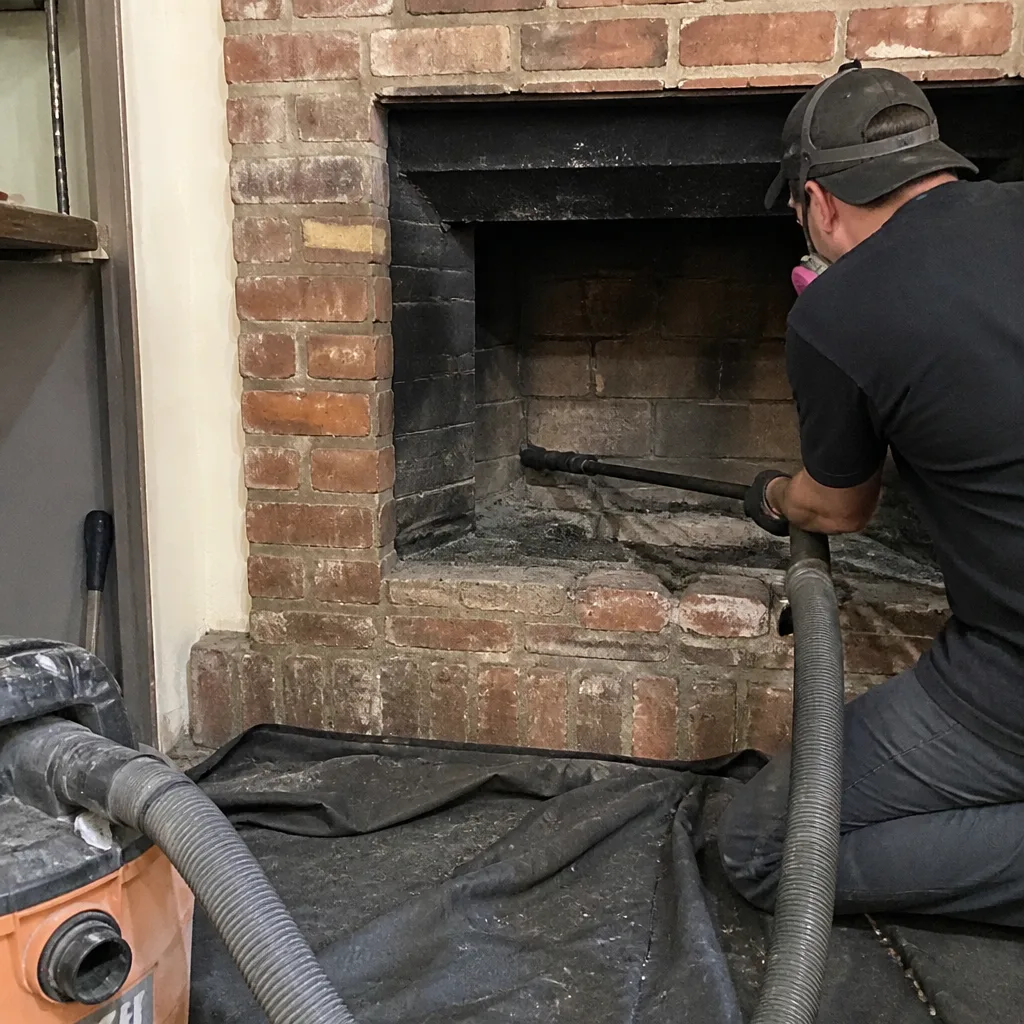 Before
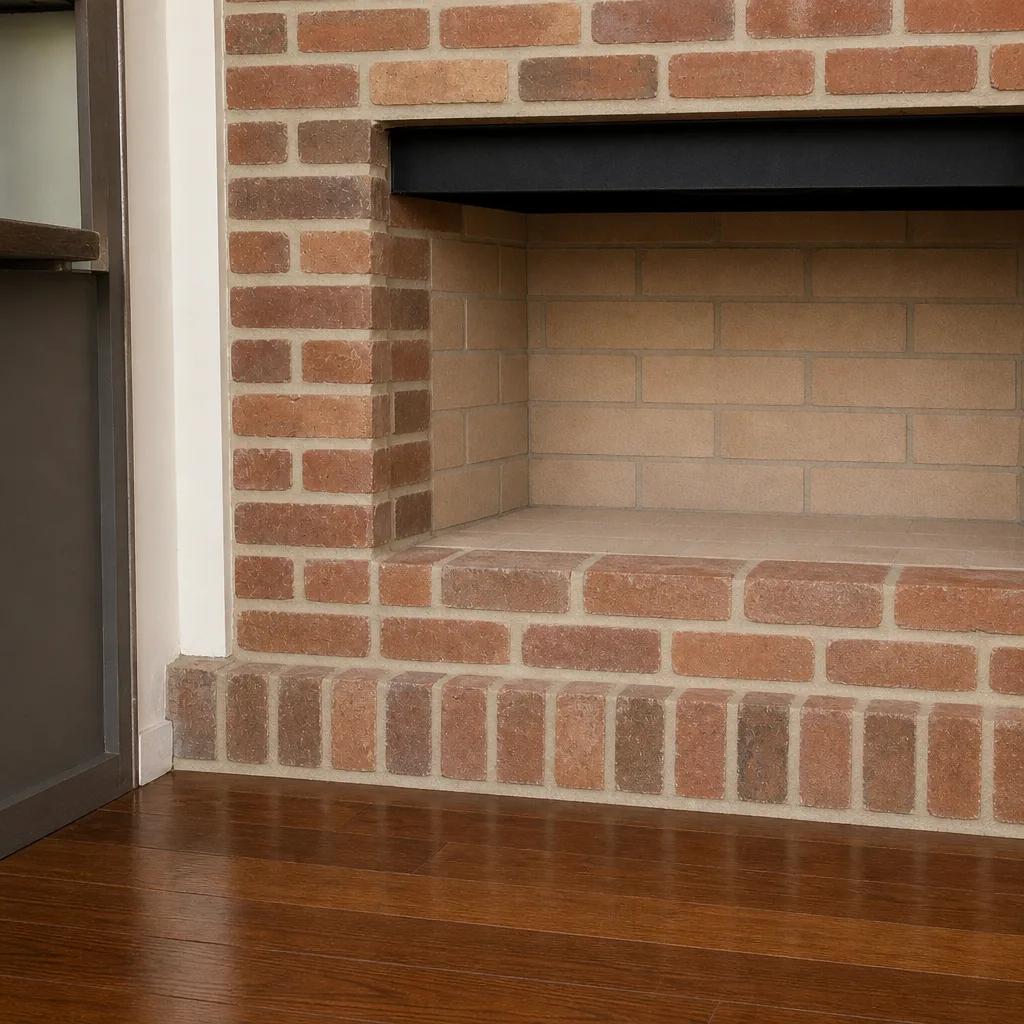 After
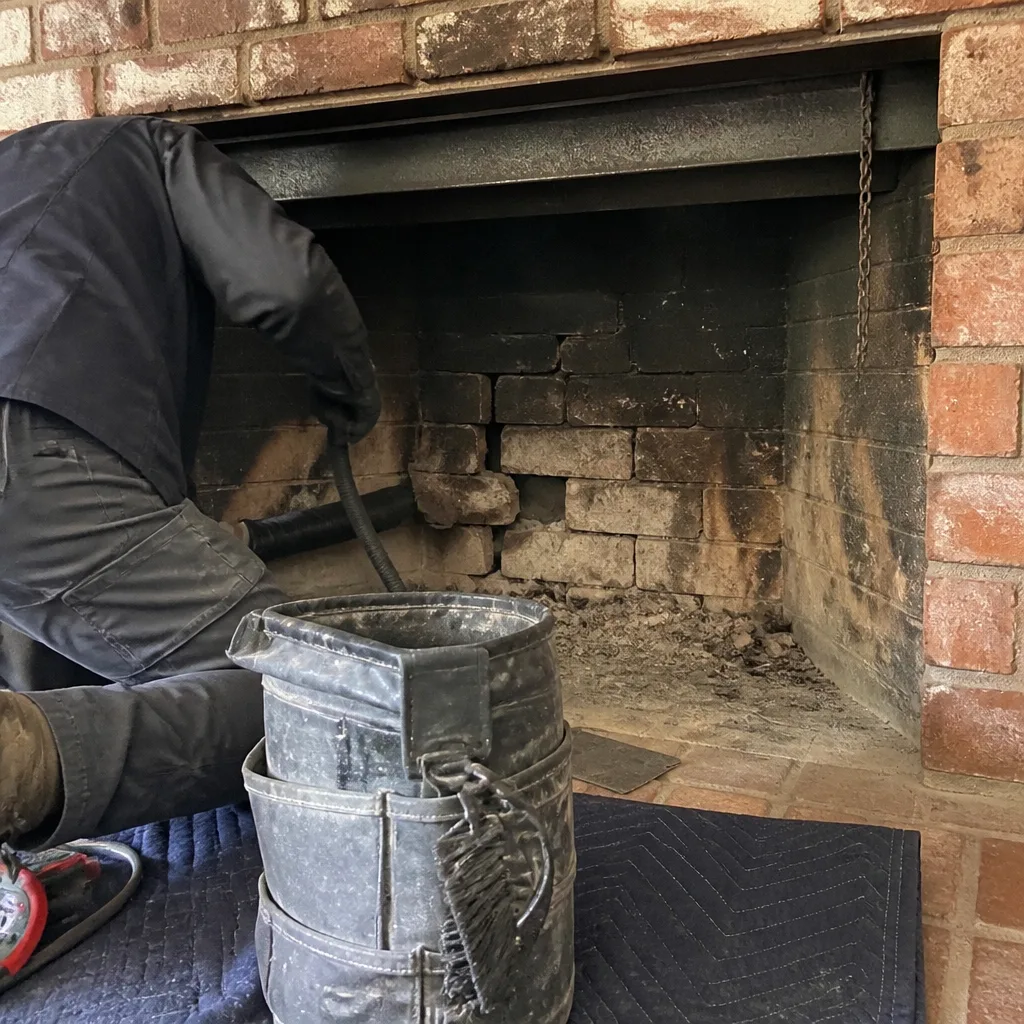 Before
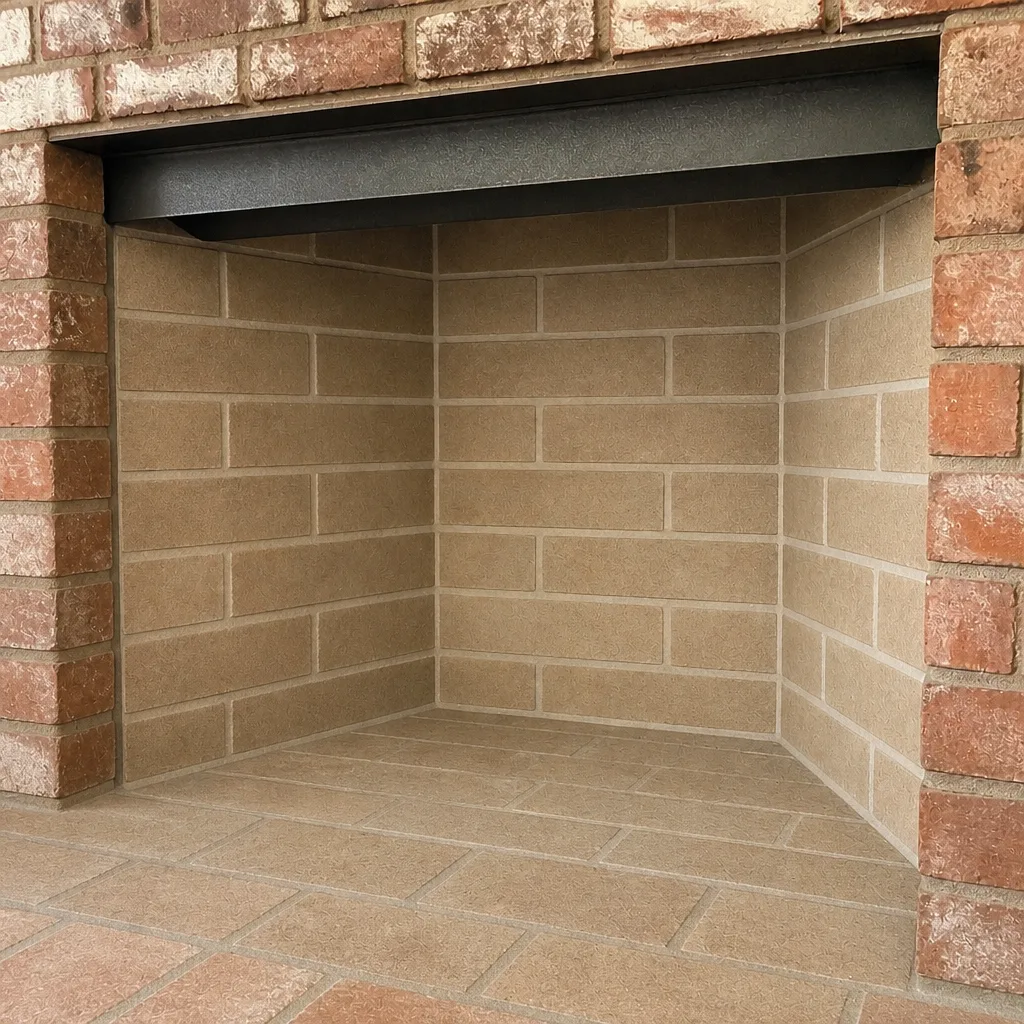 After
When to Call a Professional
Call a chimney professional if you smell creosote or smoke in the house during a fire, if the flue has been exposed to a chimney fire, if the cap is loose or missing, if the chimney breast feels hot to the touch, or if it’s been more than a season since the last sweep. Our technicians have up to 9 years of experience and can tell the difference between a problem that needs attention this week and one that can wait until spring. Chimney Sweep Roseville offers free estimates in Roseville – call (833) 946-0150. We answer 24/7. Fast dispatch from 7am to 7pm, Sunday through Friday. The estimate is free, and the price is set per job by the written estimate. For homes in the wider region, our Roseville pages include the details on scheduling and what we inspect.
Frequently Asked Questions
The signs are a low roaring sound during use, a hot-metal smell, a warm chimney breast, or damage that only shows up on a camera inspection. Many Roseville homeowners who have had a fire only find out when a Level 2 inspection reveals cracked tile or warped liner. Call (833) 946-0150 to schedule an inspection if you suspect one.
Tell them it is a chimney fire with a possible flue obstruction, give the address and access notes, and state whether everyone is out. That phrasing signals the type of fire and the likely fuel load, which shapes the fire department response. Call 911 first, then call (833) 946-0150 for the inspection and repair that follows.
Yes. NFPA 211 calls for a Level 2 inspection after a chimney fire because the damage sits inside the flue where you cannot see it. A camera inspection is the only way to know whether the flue is safe to use again. Call (833) 946-0150 for an exact quote on the inspection and any repair – estimates are free.
On a mandatory no-burn advisory, no. Wood-burning fireplaces and wood stoves are restricted during a mandatory Spare the Air Day in Roseville, and operating one can result in a fine. Gas fireplaces are not wood burning and are not covered by the same restriction. Call (833) 946-0150 if you’re not sure whether your appliance falls under the rule.
Once per burning season is the standard for a home that uses its fireplace regularly, and NFPA 211 recommends an annual inspection. A sweep before the season starts catches creosote buildup and any damage while there’s still time to repair it. Call (833) 946-0150 to book a sweep and get the camera report.
Creosote accumulates, and when it reaches a heavy glaze, a routine fire can ignite it and produce a chimney fire at 2,000°F. The flue can crack, the heat can reach framing, and the damage may not show until the next inspection. Call (833) 946-0150 – a sweep and inspection cost far less than a flue rebuild.
The Bottom Line
Chimney emergencies in Roseville split into two categories: a fire in progress and a smoke event that looks like one. Prepare for both. Get out for the fire and call 911 with the words “chimney fire with a possible flue obstruction,” then get a Level 2 inspection before you light again. Keep a fireplace screen, a CO detector near every sleeping area, and a chimney cap in good condition on your pre-season checklist. Check the Spare the Air status before burning, and book the annual sweep before the season, not during it. Chimney work is all we do, and the camera report exists so you can verify what needs fixing and what can wait.
Call (833) 946-0150 for a free estimate. We answer 24/7. Fast dispatch from 7am to 7pm, Sunday through Friday.
Written by the team at Chimney Sweep Roseville.