
Last updated November 15, 2026
 Sweep & inspection
 Caps & crowns
 Flue relining
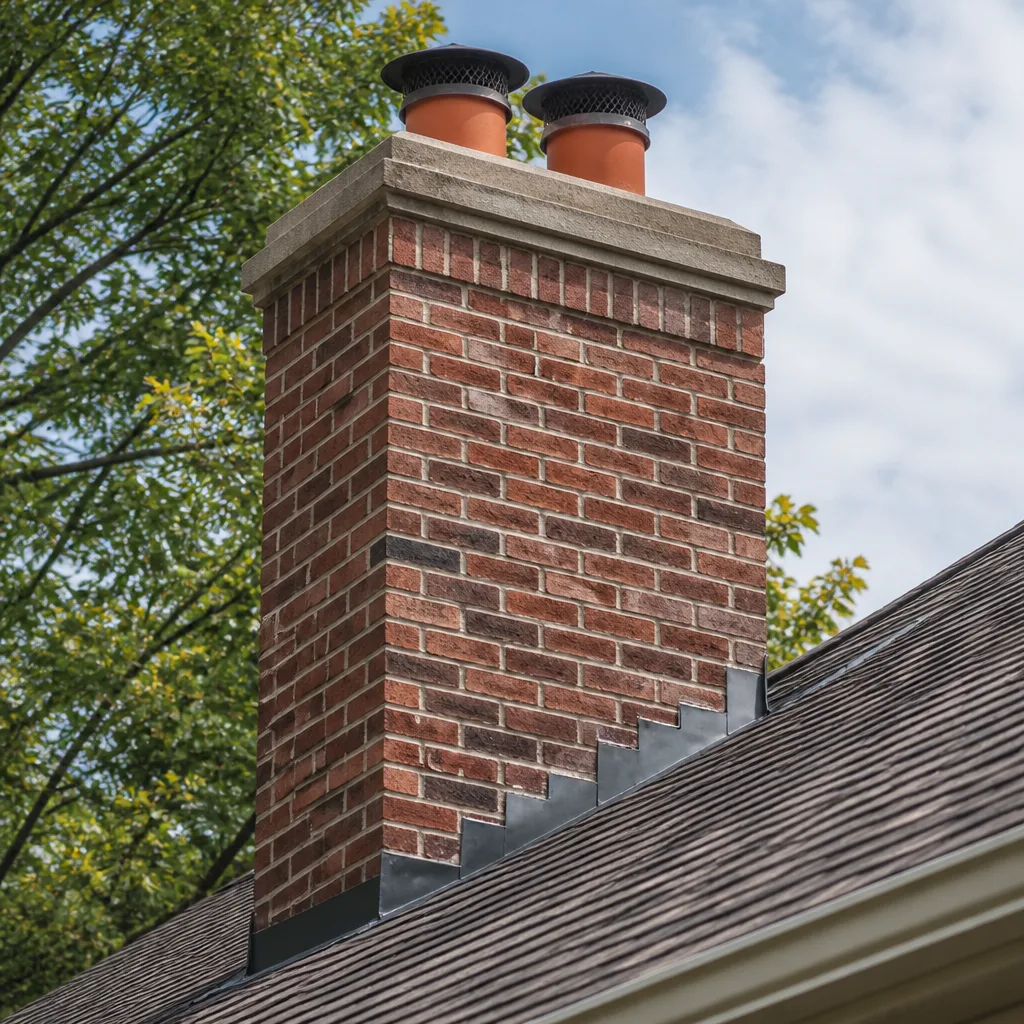 Masonry repair
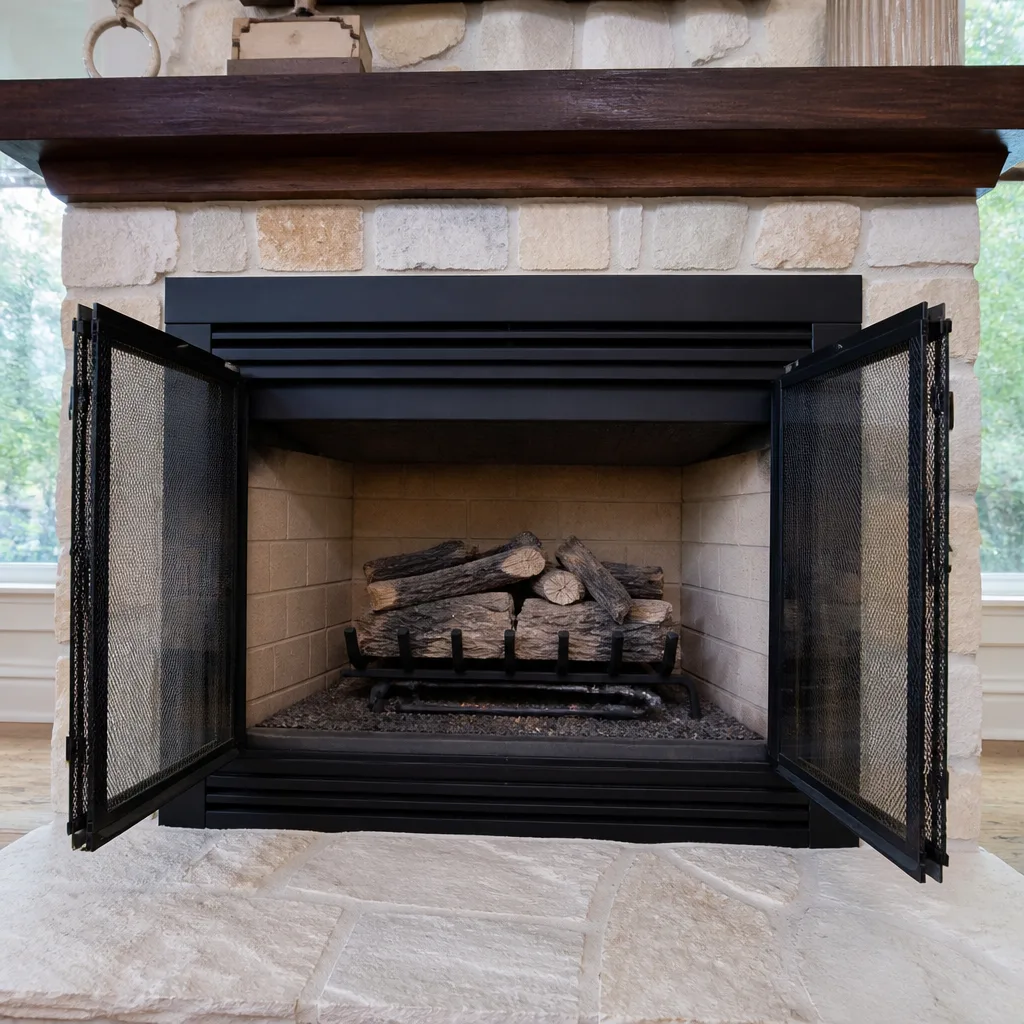 Gas fireplace service
Level 1 sweep and inspection to the NFPA 211 annual standard - flue, crown, cap, and flashing checked and photographed
Chimney sweep logs do not sweep chimneys. They loosen some creosote - which then falls where a brush and vacuum still have to collect it.
Chimney Cleaning Warning Signs: A Roseville Homeowner’s Reference Guide
The smell of a wood fire when your fireplace isn’t in use is easy to wave off as a neighbor’s chimney drifting over the fence. In our experience, that smell is more often coming from your own flue, and it’s one of the clearest early signals that a damper isn’t sealing or that your draft has reversed. Warning signs like this show up months before a chimney becomes genuinely dangerous, and catching them early is when cleaning is simple and repairs are smaller. This guide walks through the subtle indicators most homeowners miss, what each one means for cleaning complexity and cost, and how to read them in a Roseville home before they turn into something bigger.
Quick Answer
The main chimney cleaning warning signs are a smoky odor in the house when the fireplace is off, dark staining or a glaze inside the firebox, white staining on exterior brick, a damper that won’t seal tight, and visible crumbling at the mortar joints. If you notice any one of these, the chimney should be inspected before the next burn season. Most of these signs appear months before a flue reaches a hazardous creosote level, which is exactly when cleaning and repair are cheapest.
Styles & brands we work with
- Sweep & inspection
- Caps & crowns
- Flue relining
- Masonry repair
- Gas fireplace service
Table of Contents
- Why the Subtle Signs Matter More Than the Obvious Ones
- Reading the Creosote Color and Texture Spectrum
- Efflorescence: The White Staining Most Homeowners Misread
- Why a Damper That Works Fine Can Still Be a Problem
- Smoke Odor in Summer: Never Normal in a Roseville Home
- Spalling Brick and Mortar Recession: A Ground-Level Photo Guide
- Smoke Backdrafting and Draft Reversal
- How a Professional Sweep Actually Works
Why the Subtle Signs Matter More Than the Obvious Ones
The warning signs people write about are the dramatic ones: heavy smoke rolling into the room, a chimney fire, a visible crack you can see from the street. By the time those appear, the problem has usually been developing for a season or more. The signs that actually protect your home are the quiet ones, and they’re the subject of this guide.
A wood-burning chimney doesn’t fail in a single event. It accumulates. Each fire deposits a thin layer of creosote on the flue walls, and each layer changes how the next fire burns. Moisture that enters masonry works slowly through the brick and mortar, expanding and contracting with the seasons. A damper that stops sealing cleanly lets warm air escape up the flue even when you’re not burning, which changes the draft dynamics inside the chimney. None of this announces itself loudly. It builds.
In our experience, the homeowners who catch problems early aren’t the ones who know more about chimneys. They’re the ones who notice small changes and act on them. A faint smell, a little more smoke at startup than last year, a new white patch on the exterior brick. Those observations, followed by a chimney sweep, are what keep small issues small.
This is the reference we wish every homeowner had before their first problem. It won’t make you a chimney technician, and it isn’t meant to. It will help you recognize what’s worth a phone call and what can safely wait.
Reading the Creosote Color and Texture Spectrum
Creosote is the residue left behind by wood smoke. It’s the main reason chimneys need cleaning, and it’s also the best indicator of how serious a cleaning job will be. Not all creosote is equal, and its color and texture tell you what stage you’re looking at.
Here’s how the spectrum usually plays out:
- Stage 1: fine black soot or gray-brown powder. This is the lightest deposit and the easiest to brush away. It builds up over normal burning and is the stage most chimneys are in when they’re cleaned on a regular schedule. A routine sweep handles this in a single visit.
- Stage 2: dark, crusty flaky deposits. The creosote has thickened and started to harden against the flue wall. It still brushes off, but it takes more effort and a more thorough sweep. This is the stage where homeowners start to notice symptoms like smoky startup or a lingering odor.
- Stage 3: hard, glazed, tar-like coating. The most serious stage. Glazed creosote bonds tightly to the flue and won’t come off with a standard brush. This is where cleaning complexity jumps, and where we often need product-specific tools and chemistry rather than a brush alone.
Why the spectrum matters: stage 3 glazed creosote is highly flammable. It’s the fuel behind most chimney fires, and it doesn’t brush away like the earlier stages. If a chimney reaches stage 3, cleaning complexity and cost rise significantly, and in some cases the flue itself needs resurfacing rather than just cleaning. That’s where HeatShield ceramic flue resurfacing comes in as an option for restoring a damaged flue without the cost of a full liner replacement. We specify HeatShield because it’s the industry’s recognized system for restoring a flue back to a serviceable surface, and most general contractors don’t carry it or know how to apply it.
You can’t reliably judge which stage your chimney is at from the firebox alone. The flue is where the deposits collect, and a camera inspection is what tells you the truth. That’s one reason every inspection we do includes a camera inspection and photo report: you see what we see, and the written estimate sets the price before any work begins.
Efflorescence: The White Staining Most Homeowners Misread
Efflorescence is the white, powdery staining that sometimes appears on the exterior of a brick chimney. Most homeowners see it and assume it’s normal weathering. It isn’t. Efflorescence is a moisture warning, and it’s one of the earliest signals that water is getting into the masonry.
Here’s what’s happening. Water penetrates the brick or mortar, dissolves salts naturally present in the masonry, and carries them to the surface. As the water evaporates, it leaves the salts behind as a white crust. The staining itself is cosmetic, but the moisture behind it isn’t. Persistent water in a chimney can degrade mortar joints, accelerate spalling brick, and eventually damage the flue liner from the outside in.
There’s an important distinction:
- Efflorescence is white and powdery, and it dissolves or wipes away with water. This is a sign that moisture is present.
- Spalling is when the brick face itself flakes off, leaving a rough, pitted surface. This is a sign that the moisture has been there long enough to do real damage.
If you see white staining but no crumbling, you’re early. If you see both, the chimney has been wet for a while and should be inspected. Either way, it’s a moisture issue, and moisture issues in masonry don’t resolve on their own. In our experience, this is the single most under-reported warning sign on Roseville chimneys, because it looks harmless and sits high up on the exterior where it’s easy to ignore.
Efflorescence should prompt an inspection, not a cleaning. If the exterior looks like this, a professional needs to get a camera inside the flue and check the liner as well as the masonry. When the flue liner has deteriorated, relining is usually the fix, and DuraFlex flexible liner systems are the industry-standard component for it. We specify DuraFlex because it’s a dedicated relining system, not a general-purpose flexible pipe.
Why a Damper That Works Fine Can Still Be a Problem
A damper is the metal plate above the firebox that opens to let smoke out and closes to keep warm air in. Most homeowners test it by opening and closing it once a season, hearing it move, and calling it good. That test tells you very little.
A damper can open and close freely and still not seal. The seal matters because when a damper is closed, it’s the only thing stopping heated indoor air from escaping up the flue. A damper that doesn’t seal cleanly lets warm air rise continuously, which pulls cold replacement air through the house in winter. It also changes the pressure inside the flue and can cause draft problems that show up months later.
Here’s how to check a damper without overcomplicating it:
- With the fireplace cold and clean, close the damper and look up. If you can see daylight around its edges, or if the edges don’t sit flush against the frame, it isn’t sealing.
- Hold a piece of paper or a tissue near the damper. With the damper closed, a well-sealed damper won’t let air pull past it. If the tissue gets tugged toward the flue, air is moving where it shouldn’t.
- Listen. A damper that closes with a solid, snug feel and no rattle is usually well-seated. A damper that clanks loosely or feels like it has extra play in it is a candidate for repair.
- Look for rust or warping on the plate. The damper lives in a humid, sooty environment and corrosion is common. Warping from heat exposure is also common.
A damper that “works fine” but doesn’t seal is the most common inefficiency we find in gas insert and wood-burning setups alike. If your damper fails any of the checks above, it’s worth having a professional look at it during the next inspection. This is a repair, not a cleaning, and small damper fixes are usually much cheaper than the secondary problems a failed seal creates.
Smoke Odor in Summer: Never Normal in a Roseville Home
Smoke smell in the house when the fireplace is off is never normal, and in summer it almost always has one of two causes. In our experience working on Roseville chimneys, both are worth investigating.
Cause one: a draft reversal. When the air outside is warmer than the air inside the chimney, the normal upward flow can reverse. The chimney pulls air down instead of pushing it up, and the smell of past fires rides that air into the room. This is common in summer because the temperature difference is greatest. Homes in Roseville’s hotter neighborhoods see it more often than homes with more shade and milder attic temperatures, but any chimney can do it.
Cause two: creosote off-gassing. Creosote holds onto odor, and as the weather warms, the residue on the flue walls releases that odor into the house. Unlike draft reversal, this one persists regardless of temperature and is a sign there’s enough creosote on the flue to justify a sweep. If the smell goes away in cool weather and comes back every summer, this is the more likely cause.
Either cause points to the same next step: an inspection. A draft reversal alone isn’t dangerous, but it’s an indicator that the flue’s airflow dynamics are compromised, and the fix often involves checking the flue cap, the damper, and the flue’s condition. Creosote off-gassing is more direct: if the flue has enough residue to smell in summer, it’s past due for a cleaning.
There’s a third possibility worth ruling out. Smoke smell in summer can come from a neighbor’s chimney or from outdoor burning, especially in neighborhoods with tight lot spacing. The tell is whether the smell is constant or intermittent. If it’s constant, it’s coming from your own chimney. If it comes and goes with the wind, it’s less likely to be a chimney problem. When in doubt, an inspection is the only reliable way to know.
Spalling Brick and Mortar Recession: A Ground-Level Photo Guide
You don’t need to get on the roof to spot serious chimney problems. Some of the clearest warning signs are visible from the ground, and they can be documented with a phone camera. This section is a photo-based guide for untrained eyes.
Point your phone at the chimney from where you normally park, and zoom in on the photos after. Here’s what to look for:
- Spalling brick. Look for brick faces that have flaked off, leaving a rough, crumbly texture on the brick surface. Compare a suspect brick to a brick elsewhere on the chimney that looks intact. Spalling bricks often have a pitted center where the face used to be.
- Mortar joint recession. Look at the lines between the bricks. On a healthy chimney, the mortar is roughly flush with the brick face. If the mortar has worn back so it sits recessed between the bricks, water is finding its way into the joint.
- Dark streaks. Black or brown vertical streaks on the exterior brick often mean water is moving down the chimney and pulling soot with it. That’s a clue that the flue is leaking or the crown is failing.
- A cracked or crumbling crown. The crown is the concrete cap at the very top of the chimney. A cracked crown lets water into the chimney body. You can usually see it if you photograph the chimney from a distance with the zoom maxed out.
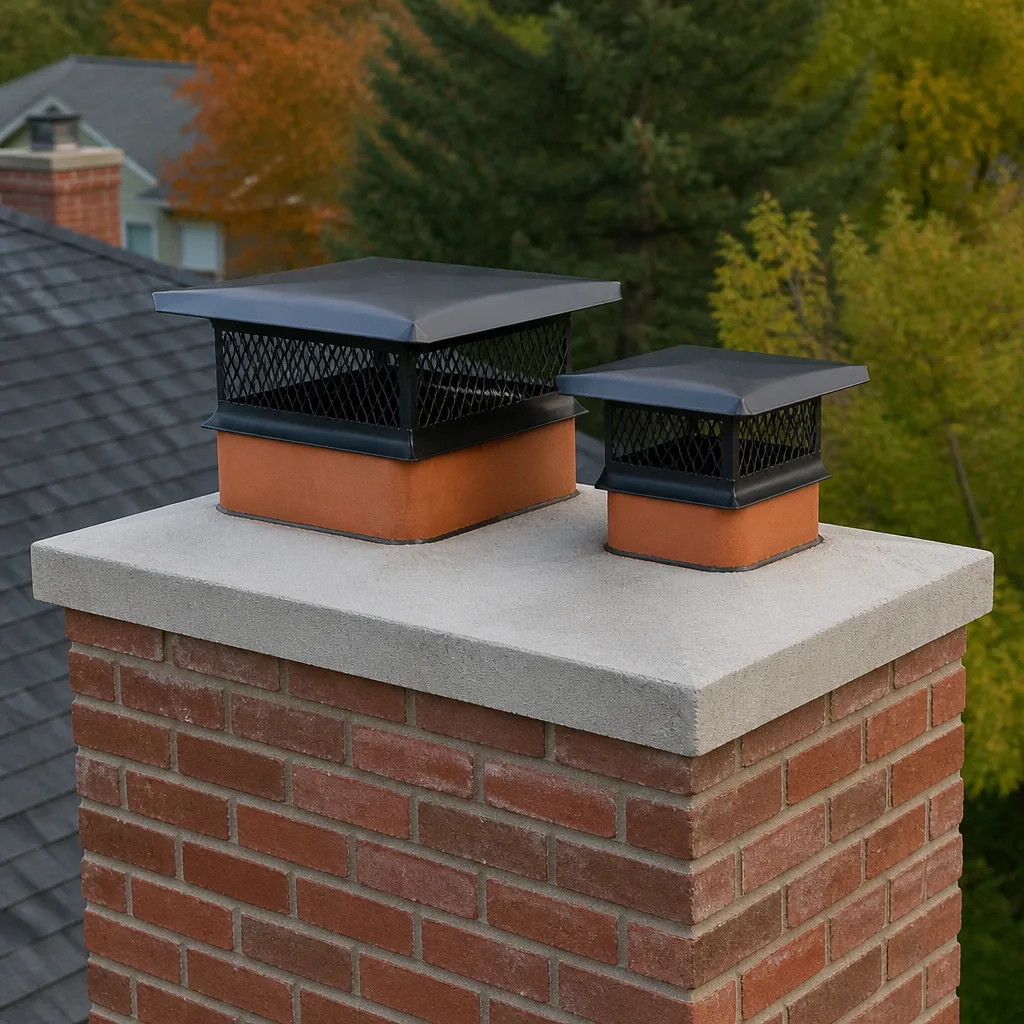
- A damaged or missing flue cap. The cap and spark screen at the top of the flue keep out water, animals, and sparks. If you see a gap where the cap should be, that’s a repair.
Spalling and mortar recession are the two most serious exterior signs. They mean moisture has been doing work for a long time, and they often appear alongside efflorescence on the same chimney. In the mild climate around Roseville, this isn’t a winter-specific problem, and it doesn’t take a hard freeze to cause it. Moisture alone is enough.
If you spot spalling or recession, don’t hand over money to a masonry contractor sight unseen. Ask for photos of the actual chimney and a written estimate that describes the work. Any repair recommendation should be backed by evidence you can see. Repointing mortar and replacing a brick or two is a contained job; wholesale rebuilding is a different conversation and should never be the first recommendation without clear documentation.
Smoke Backdrafting and Draft Reversal
Smoke backdrafting is the more obvious warning sign, and it’s often what prompts a homeowner to call. Smoke that spills into the room when you light a fire, or that rolls back out seconds after you close the door, is a draft problem. It’s worth understanding what’s happening and where it sits on the priority list.
A chimney works by pulling air up and out. Fire heats the flue, hot air rises, and cool air is drawn in to replace it. Backdrafting happens when that flow reverses: cold air pushes down the flue, or the pressure inside the house is pressed higher than the pressure in the flue, and smoke has nowhere to go but into the room. Common causes include a cold flue that hasn’t been warmed up, a firebox that doesn’t get enough replacement air, a blocked flue cap, or a flue that’s sized wrong for the appliance.
What backdrafting means for you:
- If it happens only on the first fire of the cold season, it’s usually a cold-flue issue and often resolves with a proper warm-up fire.
- If it happens every time, on every fire, that’s a real draft problem and should be inspected.
- If you also smell burning wood when the fireplace is off, that’s a reversal pattern and belongs in the same conversation as the summer smoke smell above.
There’s a safety dimension that’s more serious than most homeowners realize. A chimney that can reverse draft can also fail to pull combustion gases out of the house, and those gases include carbon monoxide. If you have a gas insert or an appliance vented through the chimney and you notice backdrafting, treat it as urgent. This is why we treat every inspection as a fire-safety checkpoint rather than a formality.
How a Professional Sweep Actually Works
If you’ve read this far and are wondering what actually happens when you book a cleaning, here’s the general shape of a professional chimney sweep on a wood-burning chimney. Knowing what to expect helps you evaluate whether the work you’re paying for was actually done.
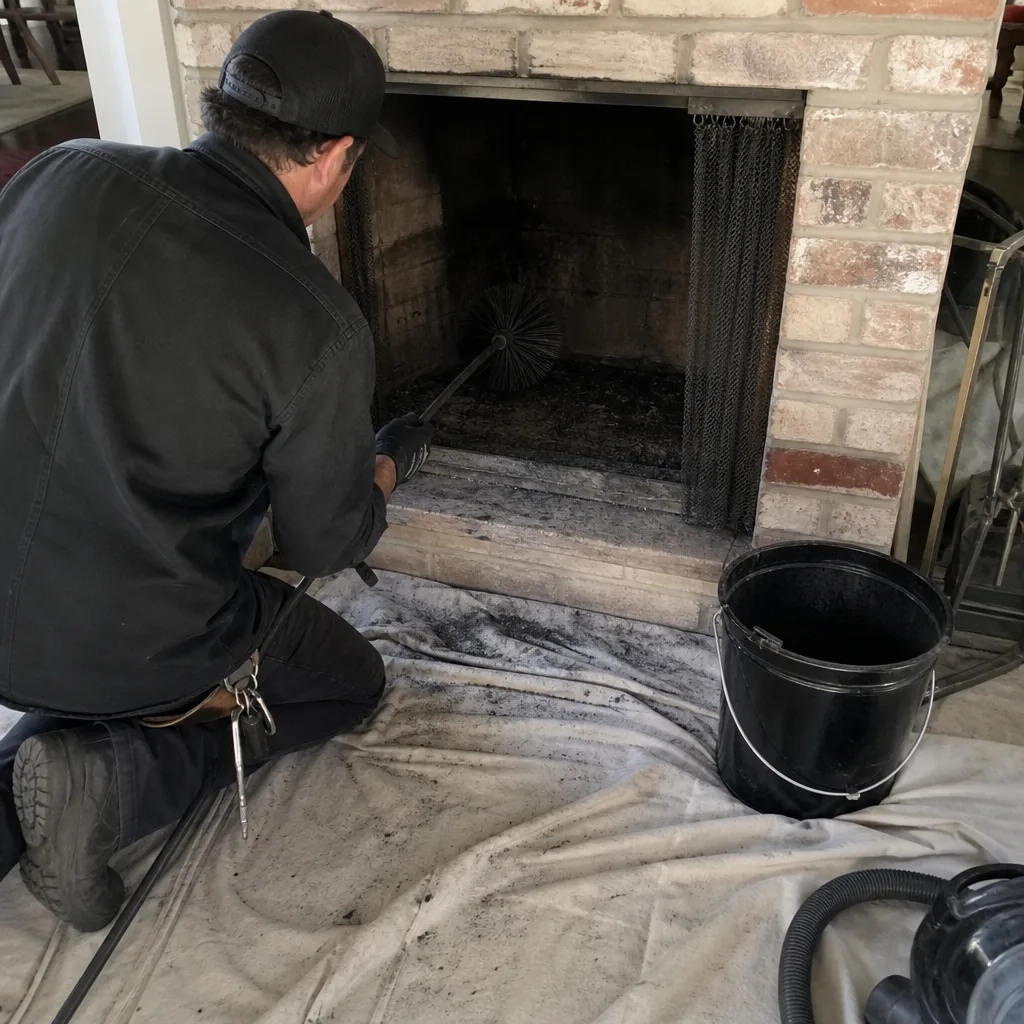
- Set up to protect the room. Drop cloths and a containment system protect the hearth and floor. A good sweep manages dust, and you shouldn’t be cleaning soot off the living room afterward.
- Inspect before cleaning. A camera inspection of the flue comes first, so the sweep knows what they’re dealing with and you have evidence of the condition before the work starts. This is the point where stage 1, 2, or 3 creosote is identified.
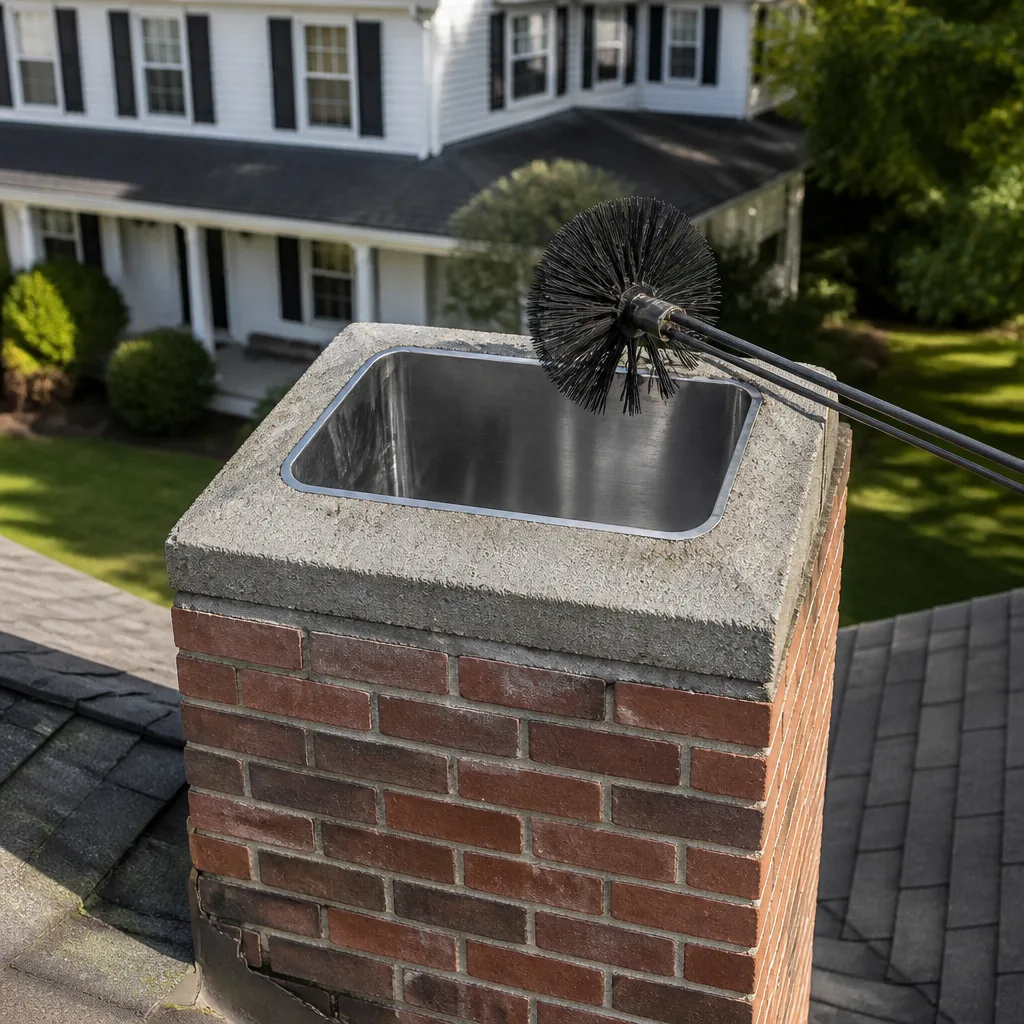
- Sweep the flue. A rotary brush or a set of rods with a brush head clears the flue, working from the top access point or from the firebox depending on the setup. The deposits come off into the containment system and get removed with a shop vac designed for fine soot.
- Clean the firebox, smoke shelf, and damper. These areas collect residue that the flue brush doesn’t reach. The damper’s condition gets checked at the same time.
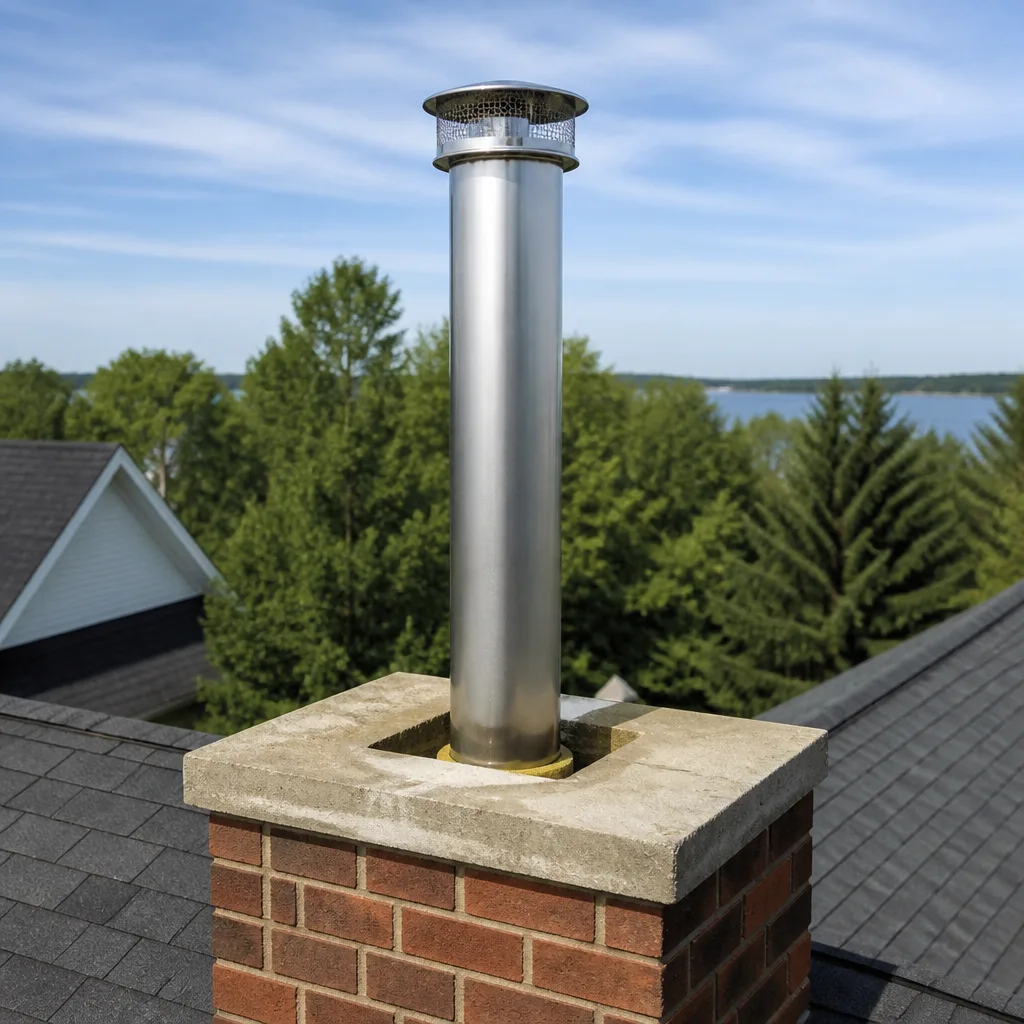
- Check the flue cap and spark screen. The cap is where most flue problems start from the outside in. A blocked or damaged cap gets flagged for repair.
- Re-inspect after cleaning. A second camera pass confirms the flue is clear and catches anything the brush couldn’t remove. This is where glazed creosote or liner damage shows up, and it’s where a written estimate for follow-up repair comes from.
If you’re looking for a chimney professional in the Roseville area, ask what happens during the inspection, whether you get photos, and whether the sweep includes the damper and cap in the scope. The answers tell you what you’re actually paying for. Our full-service chain runs inspection, cleaning, and chimney repair under one roof, so if the sweep turns up something that needs fixing, there’s no second contractor to chase down.
Common Mistakes to Avoid
- Assuming a chimney that burns fine doesn’t need cleaning. A chimney can burn efficiently right up to the point where glazed creosote ignites. The absence of smoke problems doesn’t mean the flue is clean. It means the flue hasn’t reached its breaking point yet.
- Using a hardware-store creosote log as a substitute for a sweep. Those products can loosen light deposits, but they don’t remove what’s already bonded to the flue walls, and they never replace an actual inspection. They’re not a cleaning, and treating them like one delays the sweep that actually protects the home.
- Cleaning the chimney yourself with a rented brush. A brush can do real damage to a flue liner if it’s the wrong type or the flue is already compromised, and it won’t tell you what stage of creosote you’re dealing with. The inspection is the valuable part. Hire the inspection.
- Hiring a general handyman for chimney work. Chimneys are a specialty. A generalist who works on chimneys once or twice a year is not the person you want diagnosing a flue liner. Chimney work is all we do, and we specify brands like Olympia Chimney and Famco because they’re purpose-built for the job, not because they’re what a general contractor happens to stock.
- Treating the exterior white staining as cosmetic. Efflorescence is the visible sign of moisture inside the masonry. Painting over it traps the moisture in and makes it worse. Investigate the cause instead.
- Waiting until winter to book a sweep. Chimney sweeps get busy when the burning season starts. Booking an inspection before the season gives you a clean flue and any repair work done before you need to burn.
- Accepting a repair estimate without photos. The single most common hesitation on chimney work is being told you need thousands of dollars of liner or masonry, with no way to verify it. Nothing should be recommended to you without camera evidence you can see, and the estimate should describe what the photos show.
See the difference
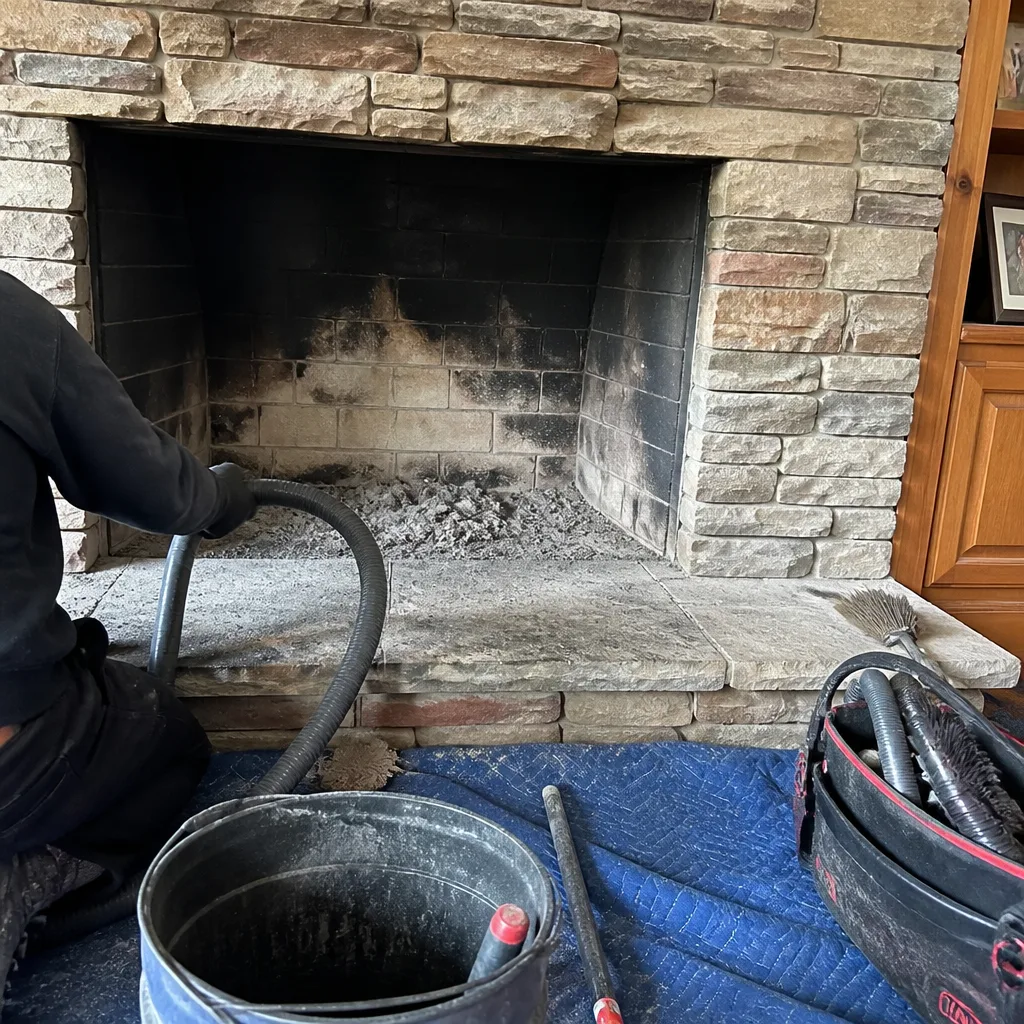 Before
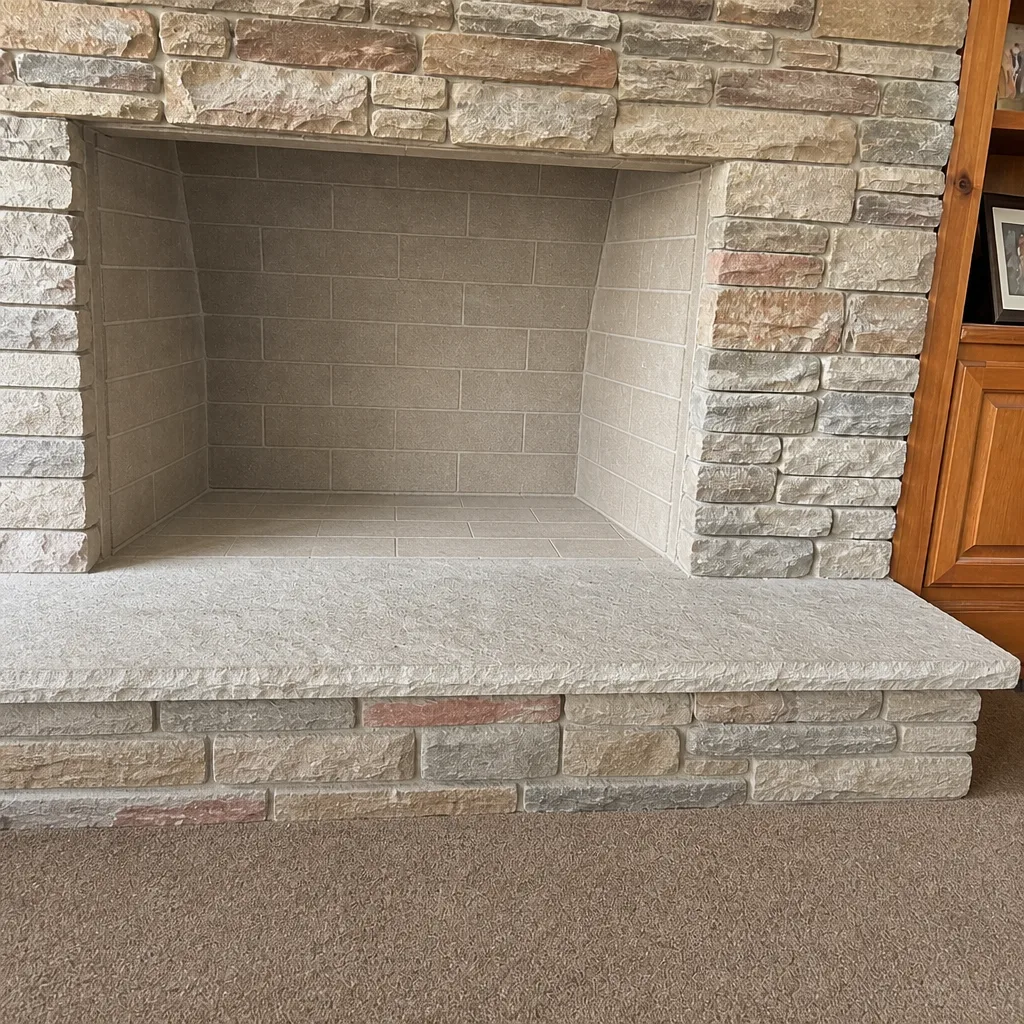 After
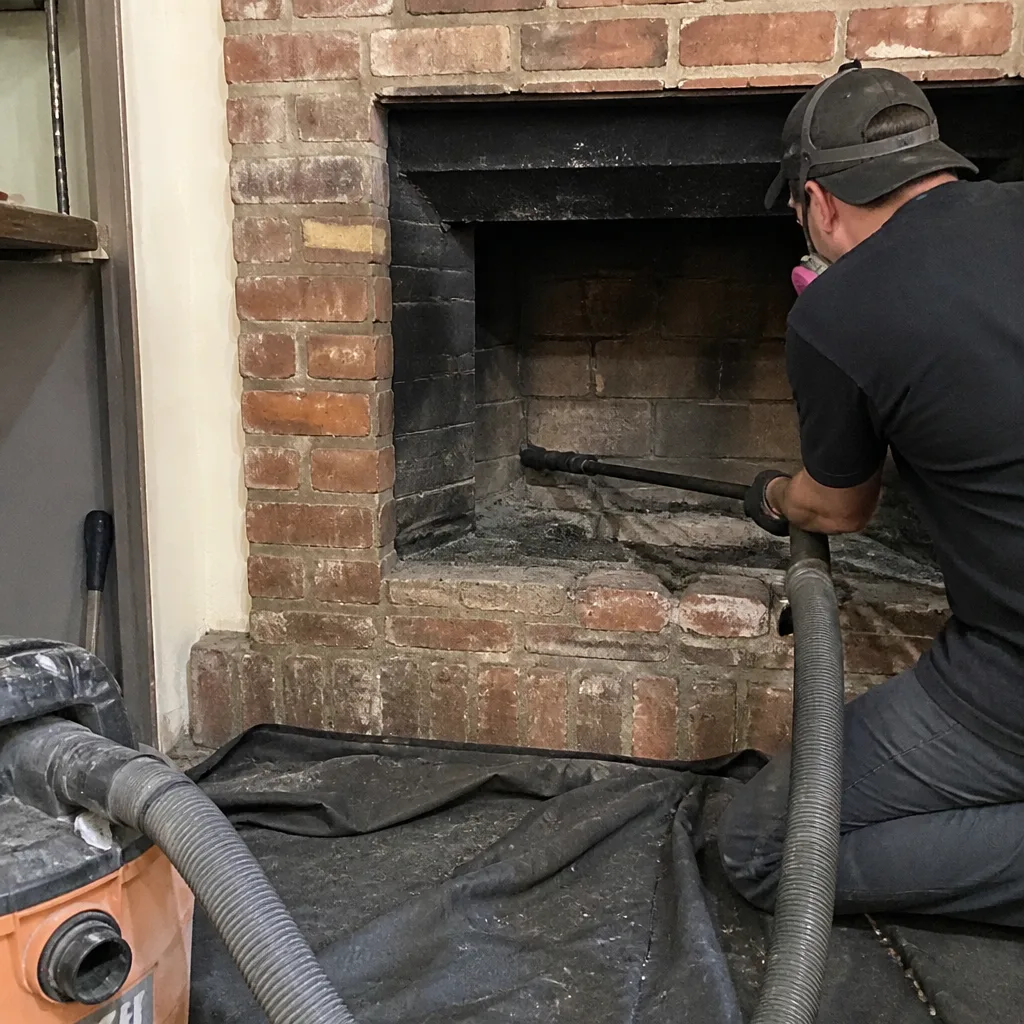 Before
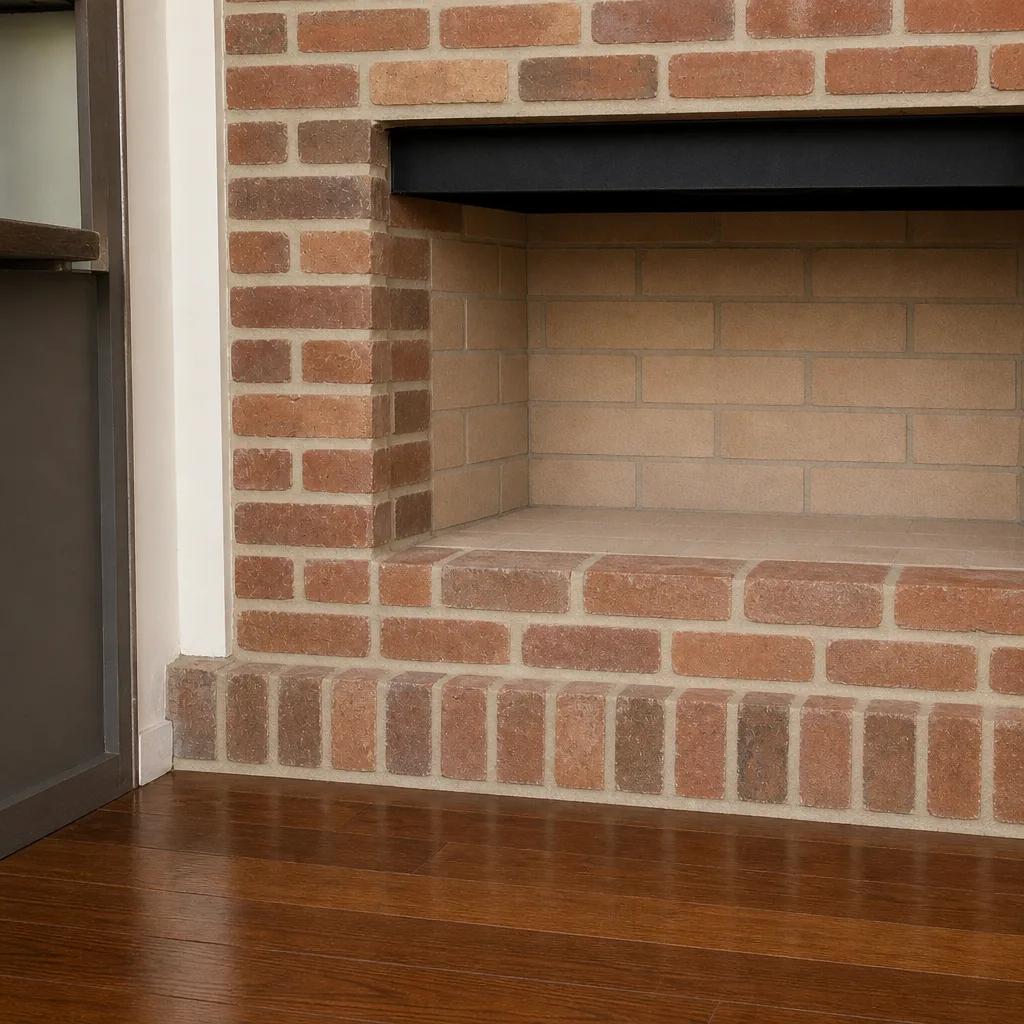 After
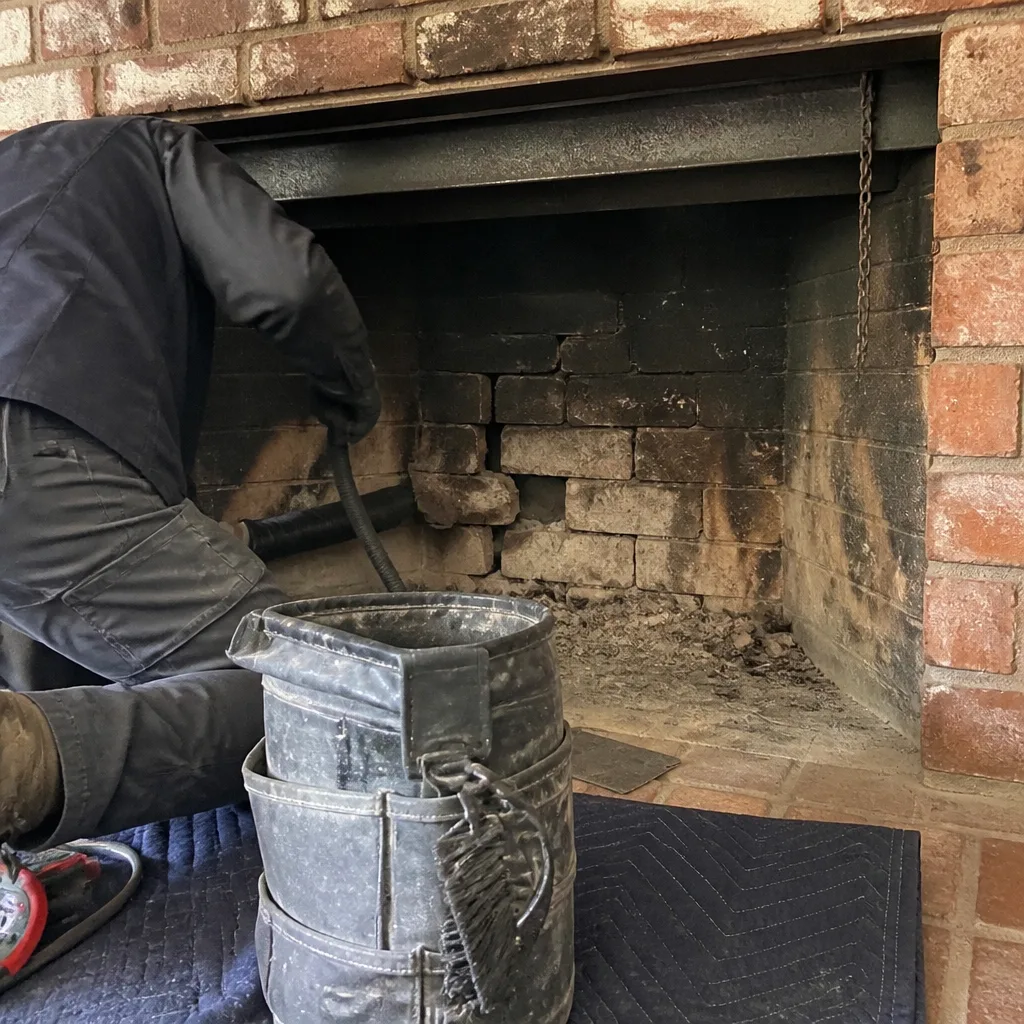 Before
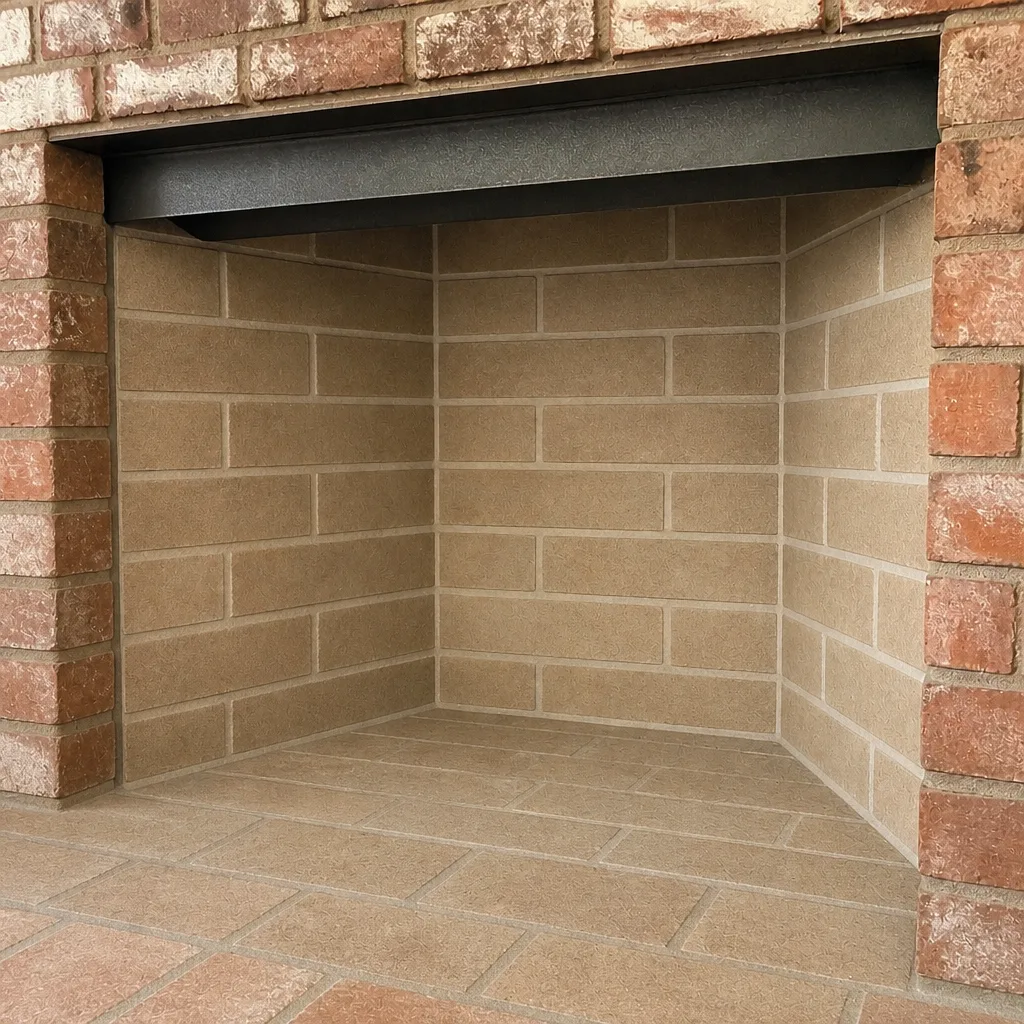 After
When to Call a Professional
Call a professional chimney company when you notice any of these: a persistent smell of wood smoke in the house while the fireplace is cold, white or dark staining on the exterior brick, a damper that won’t seal tight, spalling brick or recessed mortar joints you can see from the ground, or smoke that rolls into the room despite a warm flue. Also call if the chimney hasn’t been inspected in a while, or if it’s your first season in a home with a wood-burning fireplace or wood stove. The one sign that shouldn’t wait for a routine appointment is smoke coming into the room when a gas insert or vented appliance is in use, because that can mean combustion gases aren’t leaving the house. The other safety caveat: never open the flue or work near the firebox with a fire burning, and never try to clear a chimney fire yourself. Chimney Sweep Roseville offers free estimates in Roseville. Call (833) 946-0150. We answer 24/7.
Frequently Asked Questions
Wood-burning chimneys should be swept when there’s about an eighth of an inch of creosote on the flue, and for most homes that means at least once a year during the burning season. The amount of creosote depends more on how you burn than on how often. Homes that burn well-seasoned wood in hot fires build deposits more slowly than homes that burn green wood or smolder fires. An annual inspection tells you whether you’re on schedule or overdue. Call (833) 946-0150 for an exact quote on a sweep, estimates are free.
A standard sweep on a wood-burning chimney is a per-job price set by a written estimate after the flue is inspected, because the cost depends on creosote stage and access. A light stage-1 flue is a straightforward cleaning; a stage-3 glazed flue may need product-specific treatment or resurfacing, which is a different job. We won’t quote a number sight unseen, and we won’t run work you didn’t agree to. Call (833) 946-0150 for a free estimate.
Only if the inspection shows the existing liner is damaged, cracked, or too deteriorated to survive a cleaning. The most common scenario is that the liner is fine and just needs cleaning. When a liner has failed, relining with a DuraFlex flexible system is the standard fix, and it’s a repair rather than a rebuild. Before you accept a relining estimate, ask to see the camera footage. If the liner is intact, a new one isn’t needed, and we’ll tell you so. Call (833) 946-0150 to have your flue checked.
No. Creosote logs can loosen light surface deposits, but they don’t remove bonded creosote from the flue walls, and they do nothing for the moisture, damper, or liner issues a real inspection catches. Use them only if a sweep recommends one for a light deposit, not as a substitute. If your flue smells in summer or has even a light haze of residue, it’s time to book an inspection. Call (833) 946-0150.
No. White powdery staining on exterior brick is efflorescence, and it’s a moisture signal, not normal weathering. Water is entering the masonry, dissolving salts, and leaving them on the surface as it evaporates. The staining itself wipes off, but the moisture behind it needs attention before the brick starts spalling. An inspection is the right first step, and it’s free when you call us for a quote. Call (833) 946-0150.
Nothing at first, and then a lot at once. Skipped cleanings let creosote build to stage 3, which is glazed, highly flammable, and expensive to remove. Skipped inspections let liner cracks and moisture damage go undetected until they turn into relining or masonry work. The middle scenario is the common one: a homeowner waits, then finds out a repair that would have been small has become a full liner or chimney rebuild. The safety dimension is a chimney fire or carbon monoxide exposure, both of which are preventable with regular inspection. Call (833) 946-0150 for a free estimate on your first inspection.
The Bottom Line
The signs that matter most show up months before a chimney becomes dangerous: smoke odor when the fireplace is off, white staining on the brick, a damper that doesn’t seal despite opening and closing, dark deposits or glaze on the flue walls, spalling brick you can see from the driveway. None of these is a reason to panic. Each is a reason to book an inspection. Catching creosote at stage 1 or 2 means a simple sweep; catching moisture early means a small repair instead of a rebuild. Our technicians have up to 9 years of experience working on Roseville chimneys, and we treat every inspection as a fire-safety checkpoint, not a formality. We do the inspection, the cleaning, and the repair as a single company, with professional-grade materials from brands like HeatShield and DuraFlex specified by name. Chimney work is all we do.
If any of the signs in this guide look familiar, don’t wait for the next burn season. Call Chimney Sweep Roseville at (833) 946-0150 for a free estimate. We answer 24/7. Fast dispatch from 7am to 7pm, Sunday through Friday. For a broader look at what we cover, start at Chimney Sweep Roseville.
Written by the team at Chimney Sweep Roseville.