
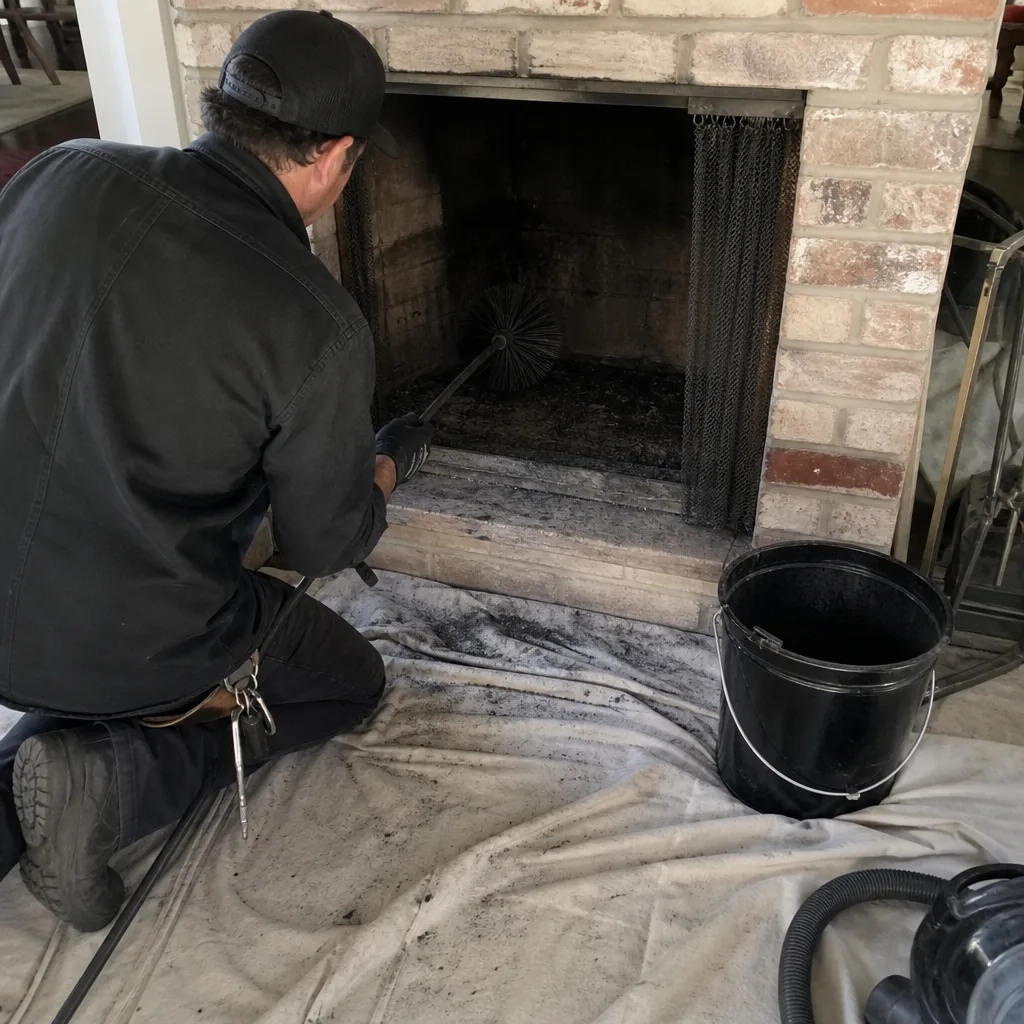
Last updated November 15, 2026
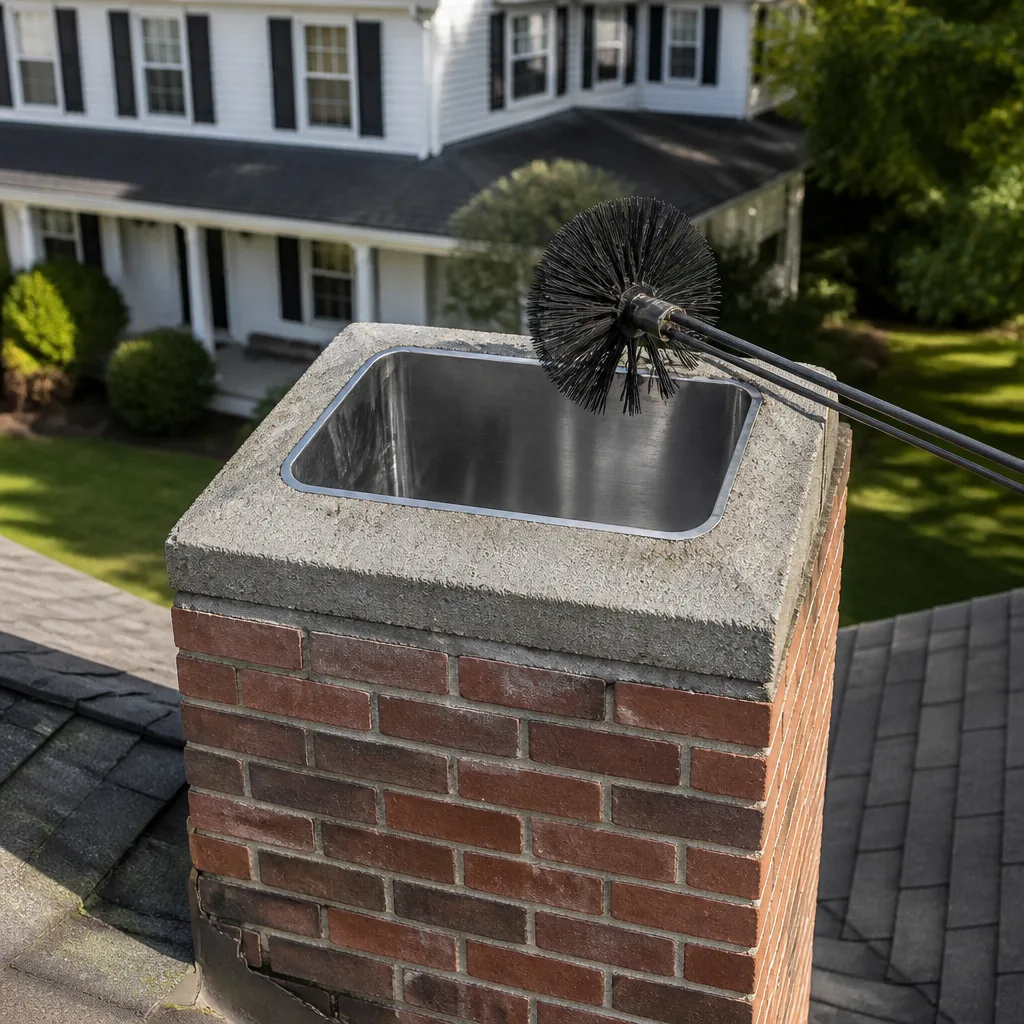 Sweep & inspection
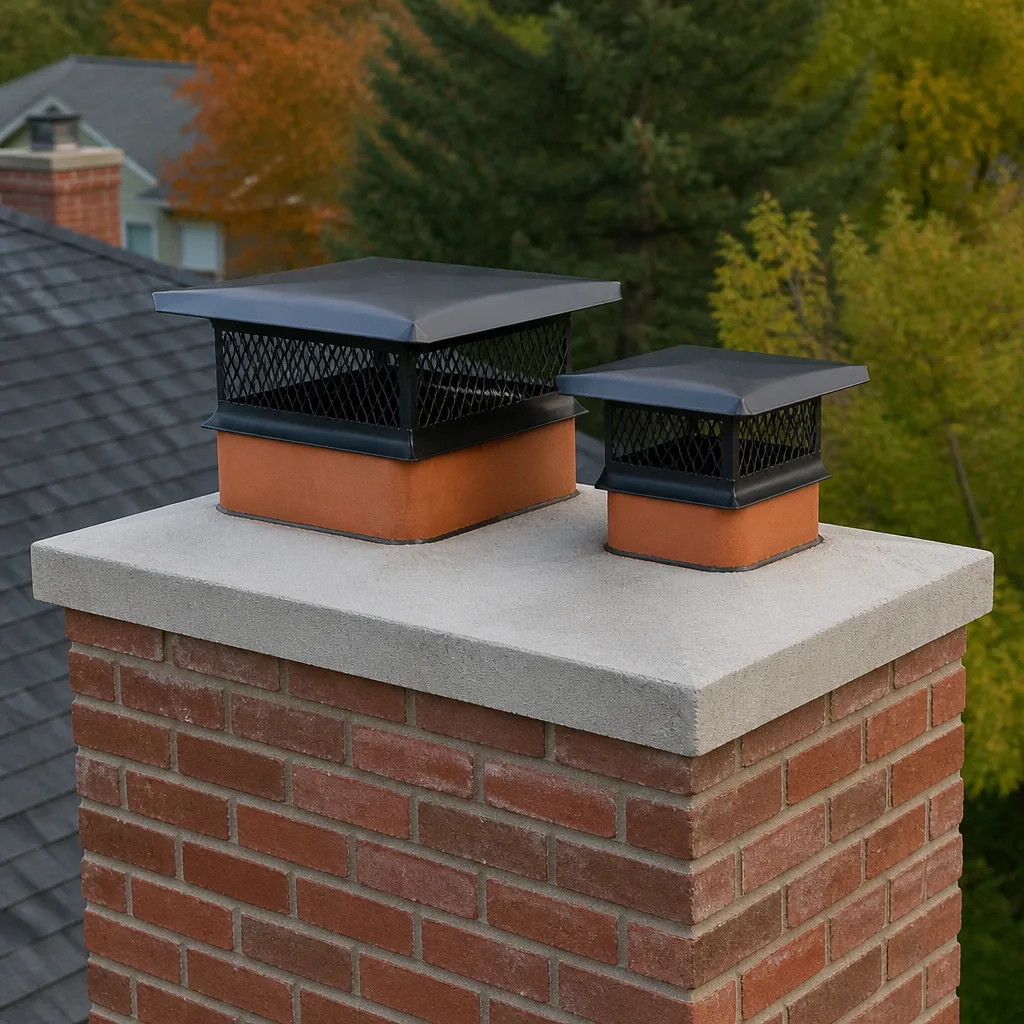 Caps & crowns
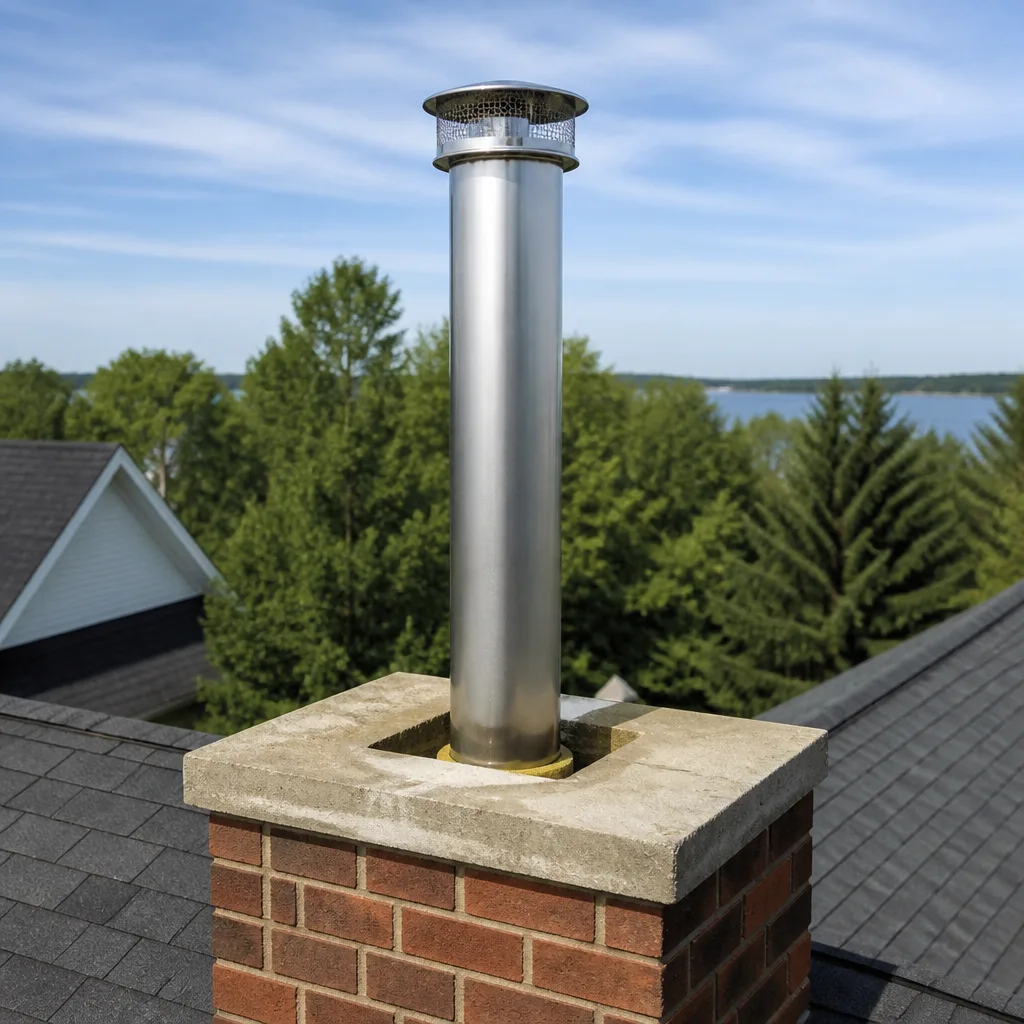 Flue relining
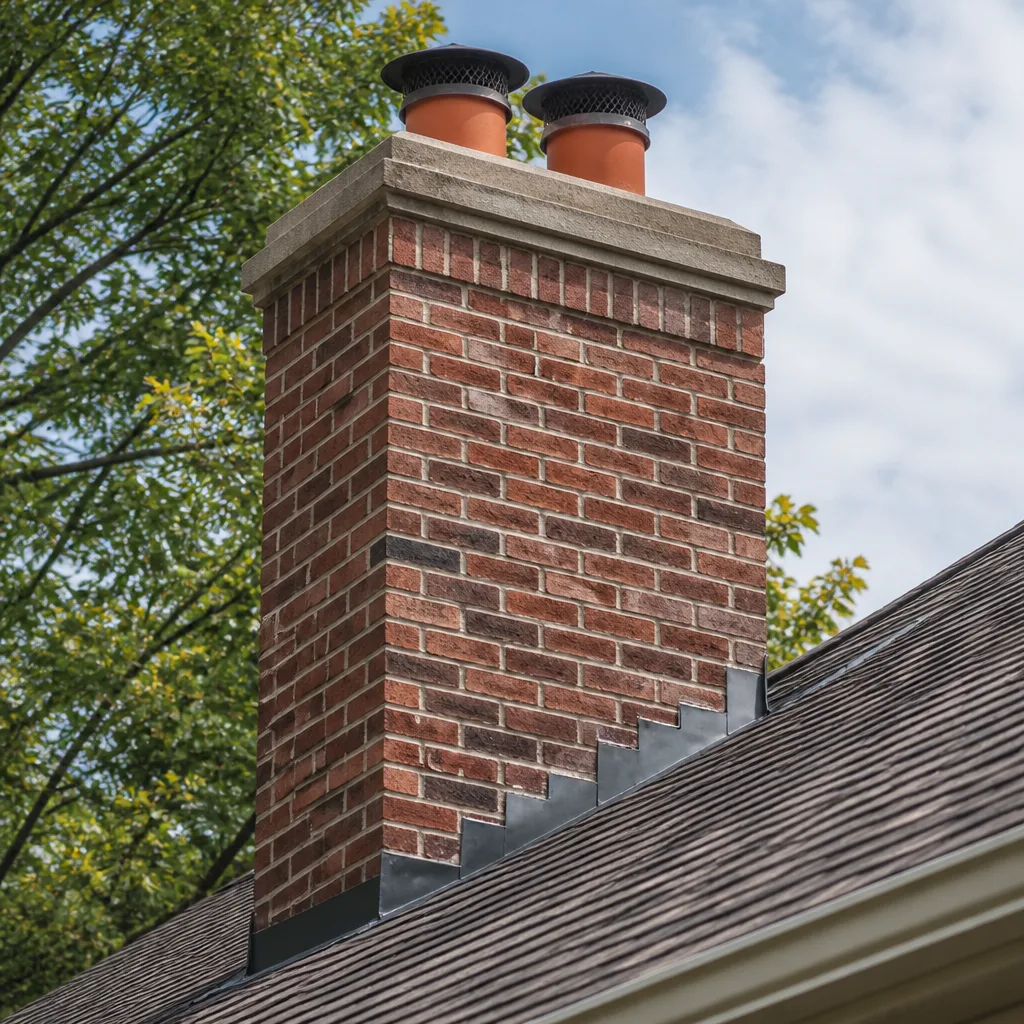 Masonry repair
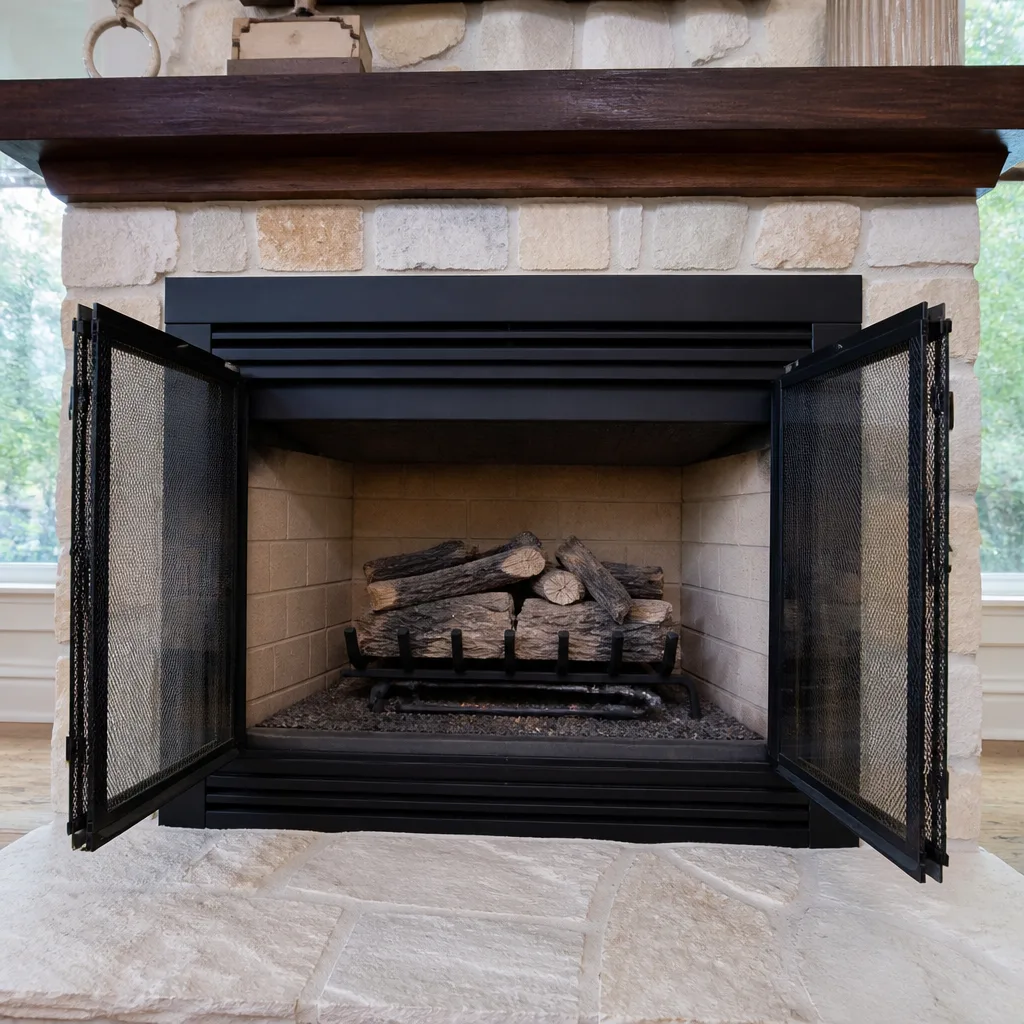 Gas fireplace service
Level 1 sweep and inspection to the NFPA 211 annual standard - flue, crown, cap, and flashing checked and photographed
Chimney sweep logs do not sweep chimneys. They loosen some creosote - which then falls where a brush and vacuum still have to collect it.
Chimney Sweep Maintenance Schedule: What to Do and When
A homeowner who burns three cords of oak every winter needs a sweep on a completely different schedule than a neighbor who lights four fires a season. Yet most chimney guides hand both of them the same advice: sweep once a year. That calendar reminder is a useful starting point, but it’s not a maintenance plan. The right schedule for your chimney depends on what you burn, how often you burn it, whether your fireplace is open or fitted with an insert, and what your flue liner is made of. Get those variables right and you’ll know when your chimney actually needs attention, not just when the calendar says so. This guide walks through the real factors that set a maintenance timeline for Roseville homes.
Quick Answer
Sweep a chimney when creosote buildup reaches 1/8 inch, or once a year for most actively used wood-burning fireplaces – whichever comes first. Annual NFPA 211 Level 1 inspections are the baseline for every chimney, while Level 2 inspections are triggered by a home sale, a chimney modification, or storm damage, and Level 3 inspections are reserved for suspected hidden hazards. A lightly used gas insert may need service every two to three years rather than annually, so the schedule follows the fuel and the burn volume, not a blanket rule.
Styles & brands we work with
- Sweep & inspection
- Caps & crowns
- Flue relining
- Masonry repair
- Gas fireplace service
Table of Contents
- What Actually Determines Your Sweep Schedule
- Fuel Type and How It Changes the Timeline
- Burn Frequency: The Real Multiplier
- NFPA 211 Inspections: Levels 1, 2, and 3 Explained
- Roseville Seasonal Prep Checklist
- Masonry Chimneys vs. Factory-Built Units
- Between-Service Tasks Homeowners Can Do Safely
- Creosote: The One Number That Sets the Timeline
What Actually Determines Your Sweep Schedule
Four variables drive every chimney maintenance decision: fuel type, burn frequency, fireplace configuration, and liner material. Change any one of them and the timeline shifts. A wood-burning open fireplace with a masonry flue is the most demanding configuration, because it produces the most creosote per fire and gives smoke the most surface area to condense on. A sealed gas insert vented through a properly sized liner is the least demanding, because gas combustion leaves almost no solid residue.
Here in Roseville, most homes fall into one of three patterns. The first is a wood-burning fireplace used as the primary heat source through the mild winter, sometimes backed up by a wood stove. The second is a decorative fireplace lit a few dozen times a season. The third is a gas insert or gas log set used regularly but without solid fuel. Each pattern points to a different service interval, and the sweep itself is only one part of the picture.
Liner material matters just as much. A clay-tile masonry flue, common in older homes, is durable but develops cracks over time and needs closer visual inspection. A stainless steel liner – like those we specify from DuraFlex – is smoother, which slows creosote condensation and makes cleaning more effective. If your chimney was relined with a system like HeatShield ceramic resurfacing, the restoration extends the liner’s life but doesn’t change how often the flue still needs to be swept.
The takeaway: before you adopt any schedule, know your fuel, your firebox type, and your liner. If you don’t know what liner you have, that alone is a reason to schedule a chimney inspection.
Fuel Type and How It Changes the Timeline
Fuel is the single biggest variable in creosote production. The same firebox burning the same number of fires will accumulate creosote at very different rates depending on what goes into it. Here’s how the common fuels stack up:
- Seasoned hardwood (oak, almond, walnut): The cleanest-burning solid fuel in normal residential use. Low moisture content means hotter, more complete combustion and less creosote per fire. Still requires annual inspection if used heavily.
- Softwood (pine, fir, cedar): Burns hotter and faster, but its resin content deposits more creosote per cord than hardwood. Homes burning mostly softwood benefit from more frequent sweeps and closer flue checks.
- Manufactured logs: Consistent moisture and composition, so predictable burn, but many formulations still leave residue and some produce more ash. Not a substitute for inspection just because the package says “clean-burning.”
- Green or unseasoned wood: The worst offender. High moisture means smoldering fires, which are the primary driver of glazed, hard-to-remove creosote. We recommend season wood for a full year before burning.
- Natural gas or propane: Minimal solid residue, but condensation and corrosion are the concern instead. Gas appliances still need annual inspection for venting and blockage even when the flue doesn’t need a sweep.
If your household burns mostly seasoned oak, an annual sweep is often sufficient. If you’re burning a mix that includes softwood or the occasional green load, shorten the interval. And if you’re unsure what moisture content your wood is at, a $20 moisture meter from any hardware store answers the question in seconds. Aim for below 20% moisture; higher than that and you’re feeding the problem.
Burn Frequency: The Real Multiplier
Burn frequency converts fuel type into a real schedule. The trick is to be honest about how many fires you actually light, not how many you intend to light. Track it for one season if you’re unsure. You’ll probably be surprised.
Use this as a rough framework:
- High use (fires most days through winter, or fireplace is primary heat): Sweep once per season, ideally mid-season, plus an annual inspection. If you burn softwood or unseasoned wood, plan for two sweeps.
- Moderate use (several fires a week, mostly December through February): Annual sweep and inspection timed to late winter or early spring, before the burn season ends.
- Light use (a few fires a month, decorative): Sweep every other year if the fuel is clean and the firebox shows minimal residue, but keep the annual inspection. Inspections are cheap; a blocked or damaged flue is not.
- Gas insert or gas log set: Inspect annually; sweep on an as-needed basis driven by inspection findings. Most gas systems don’t accumulate soot enough to need a mechanical sweep every year.
- Wood stove (any fuel): Sweep based on the same frequency rules as a fireplace, but expect more frequent service if the stove runs hot and long. Wood stoves concentrate creosote in the connector pipe, which is often where buildup happens first.
The sweep frequency and inspection frequency are two different things. Annual inspection is the baseline regardless of use; a sweep is the mechanical removal that follows what the inspection finds. That distinction is the most useful thing to carry into any conversation about your own schedule.
NFPA 211 Inspections: Levels 1, 2, and 3 Explained
NFPA 211 is the national standard that governs chimneys, fireplaces, vents, and solid fuel appliances. It defines three inspection levels, and knowing which one your situation calls for is the second half of any maintenance plan. Each level is more involved than the last.
Level 1 Inspection
The standard annual inspection. It covers the readily accessible portions of the chimney and appliance: the firebox, the damper, the visible flue from the firebox, the chimney exterior from ground level, and the chimney cap. If the chimney hasn’t changed and nothing unusual has happened, Level 1 is what you need. In our experience most Roseville homes fall here.
Level 2 Inspection
Required when a property is sold or transferred, when the appliance or fuel type has changed, after a chimney fire, after an event that could damage the chimney (earthquake, storm, nearby impact), or when the chimney has been modified in any way. Level 2 requires access to the entire flue, including the attic and concealed spaces, typically with video camera documentation. It’s the level that answers the question “is this chimney actually safe to use?”
Level 3 Inspection
Reserved for situations where a Level 1 or Level 2 inspection finds evidence of a hidden hazard that can only be verified by opening up part of the chimney or structure. Level 3 is uncommon and usually requires a contractor’s involvement or partial demolition. Most homeowners encounter it only when a serious defect is suspected but not confirmed.
For a Roseville homeowner, the practical takeaway is this: annual Level 1, plus Level 2 at every home sale or after any chimney fire or modification. If you’re buying or selling a Roseville property, ask for a Level 2 inspection report with photos before closing. A Level 1 done for the listing is not the same thing.
Roseville Seasonal Prep Checklist
Roseville winters are mild but they are wet. The dry summer and fall are when your chimney is most vulnerable to the intrusion that shows up in winter. The schedule below reflects how we recommend homeowners approach a Roseville season.
- September – pre-rainy season: Inspect the chimney cap and crown from ground level. Check that the cap’s mesh is intact and that water isn’t pooling at the top of the flue. Look at the crown shoulder; a crack there allows slow water intrusion that shows up months later. If you can see daylight through the chimney exterior, or the cap looks loose, schedule an inspection before the weather turns.
- September – pre-burn season: Have the chimney swept well before your first fire. A sweep done in September removes creosote that accumulated last season, before you add to it. It also gives you time to schedule repairs before cold weather, when everyone else calls.
- January – mid-season check: For high-use homes, a quick look at the firebox to confirm the fire is drafting as well as it did in fall. Smoke backing into the room is a signal something’s off, whether it’s negative pressure, a blockage, or a damper issue.
- March – post-fire-season creosote check: After the last fire of the season and before the spring weather sets in, get the chimney swept and inspected. This is when creosote buildup from the past season is clearest and when repairs completed now have the whole dry season to cure and settle. It’s also when any water intrusion from winter gets caught before summer.
- March – exterior inspection: Look at the roof line around your chimney for staining or moss that could indicate slow water intrusion. Inspect the flashing where the chimney meets the roof. These small checks prevent the kind of damage that eventually needs a full chimney repair.
The Roseville climate is forgiving enough that you’re not fighting ice and freezing expansion, but the wet season is real. That makes fall prep and spring cleanup the two best windows for scheduled chimney work.
Masonry Chimneys vs. Factory-Built Units
Not every chimney in Roseville is built the same way. Homes built in the 1980s through the early 2000s in many Roseville subdivisions often have prefabricated factory-built chimneys: metal flue systems enclosed in a chase. Older and custom homes typically have masonry chimneys, often with clay-tile liners. The maintenance timeline is similar, but the failure modes are different.
Masonry Chimneys
- Clay-tile liner, brick and mortar construction.
- Inspect for tile cracks and mortar joint deterioration each year. Even small cracks let creosote and moisture migrate into the masonry, which is where larger damage starts.
- Water intrusion is the long-term enemy. A proper cap, intact crown, and sound flashing do most of the work.
- When the liner deteriorates, restoration may be possible without full replacement. HeatShield ceramic resurfacing is applied in place and can restore a failing liner to service, avoiding the cost and disruption of a full reline.
- When restoration isn’t viable, a stainless steel reline with a DuraFlex system is the standard approach.
Factory-Built Chimneys
- Metal flue inside a framed chase, with manufacturer-specified components.
- Annual inspection is essential, and the inspector needs to know the make and model. Parts are not interchangeable between brands; a mismatched cap or spanning component is a safety issue.
- Look for rust, sagging or disconnected sections, and any evidence of a failed joint. These are the most common factory-built problems.
- Because the chase is enclosed, problems are invisible from outside the home. Camera inspection is part of the answer here, not an optional add-on.
Whichever type you have, the maintenance plan still starts with the same service. A chimney sweep and a Level 1 inspection establish the baseline; then the report tells you what the specific chimney actually needs. If you don’t know your chimney’s construction, that’s the first thing to establish. An inspector will know within minutes of viewing the firebox.
Between-Service Tasks Homeowners Can Do Safely
The between-service work is about monitoring, not doing. These checks are safe for a homeowner and won’t void any warranty, provided you stick to what’s listed. Anything involving the flue interior, the damper mechanism, the firebox lining, or the top of the chimney is a professional job. Creosote is flammable inside a narrow space, and the springs, hinges, and joint components that seem simple can fail in a way that costs far more than the sweep would have.
- Damper operation check (monthly during season): Open and close the damper fully. It should move freely and seat flush both open and closed. A damper that won’t fully open, or that sticks, indicates debris, warping, or hinge wear. Note the symptom and have it checked at your next service.
- Firebox visual check (weekly during season): With the fire cold and out, look at the firebrick lining for cracks, missing mortar joints, or a piece that’s come loose. Small hairline cracks in firebrick are normal. Missing chunks or open joints are not – they let heat reach materials that shouldn’t see it. Stop using the fireplace and have it inspected.
- Rain cap and crown inspection from ground level (monthly): Use binoculars or a camera zoom. The cap should be intact with clear mesh. The crown should be crack-free. You should not see daylight through the chimney structure. Any change from one month to the next is worth an inspection.
- Draft test at every fire (quick): Light a single sheet of newspaper in the firebox and confirm smoke drafts up and out. If it backs into the room, don’t build a fire. Call for an inspection – there’s a blockage, a pressure issue, or a damaged flue.
- Exterior moisture check (seasonal): Look for water staining on the chimney exterior, around the flashing, or inside the firebox. Water in the firebox means the cap or crown isn’t doing its job.
- Ash removal (as needed): Keep ash depth to about an inch. Deeper ash beds insulate the fire and make the fire burn cooler, which increases creosote. Remove ash to a metal container and store it outside.
None of these checks substitute for the annual inspection. What they do is let you spot problems early, between scheduled visits, and give the inspector useful information to work from. If any of these checks turn up a concern, don’t wait for the annual visit.
Creosote: The One Number That Sets the Timeline
The National Fire Protection Association and chimney professionals across the country use a simple threshold for scheduling a sweep: 1/8 inch of creosote accumulation. That’s the depth at which the flue should be cleaned. It’s also the number that determines whether your annual sweep is early, on time, or overdue.
There are three grades of creosote, and knowing them helps you interpret what an inspector tells you:
- Stage 1 (soot and light flake): The easiest to remove. Regular brushing does the job. This is what an annual sweep normally finds in a well-maintained Roseville chimney.
- Stage 2 (hard, shiny, crusty): Formed when flue temperatures are too low for the creosote to burn off but high enough to bake it into a hard film. This is the stage where chimney fires start. Stage 2 buildup is common with softwood or green wood, or with an open fireplace that isn’t drafting well.
- Stage 3 (glazed, hard like glass): The most severe form, and the hardest to remove. Stage 3 usually requires chemical treatment or mechanical removal by a professional. If you’re seeing this, your schedule has been too infrequent for how you use the fire, and it needs to change.
The dangerous part of creosote is that it re-ignites. A small chimney fire can burn through the creosote layer without a homeowner noticing anything more than a rumble. It can also crack the flue lining, which is where the real damage happens. A sweep every season is a cheap insurance policy against both.
If you’re not sure what stage you’re at, that’s exactly what an inspection answers. The point of a professional sweep isn’t the cleaning itself. It’s the verification, the documentation, and the answer to the question “is there anything here I need to know about?”
Common Mistakes to Avoid
- Taking “once a year” literally regardless of use. A homeowner who burns three cords a winter needs a sweep every season, not just once per calendar year. A homeowner who lights four fires a season may not need a sweep every year at all. Match the schedule to use.
- Burning unseasoned wood to save money. Green or wet wood produces more creosote and less heat than the same volume of seasoned fuel. You save on wood and pay for it in creosote, which is the other major cost driver.
- Skipping inspections because the sweep looked fine last year. A sweep and an inspection answer different questions. The sweep removes; the inspection detects. A clean-looking flue can still have a cracked liner or a damaged damper hinge.
- Calling a general handyman for chimney work. Chimney work is a specialty. Family-handyman services don’t carry industry-specific materials like HeatShield or DuraFlex and don’t know the difference between factory-built and masonry construction at a glance. Roseville homeowners deserve a specialist, and the stakes justify one.
- Sweeping only at the end of the season. Post-season creosote removal cleans up, but it doesn’t protect you during the burn season. Pre-season prep is the one that protects the chimney for the fires ahead.
- Ignoring the chimney cap. Most water intrusion in Roseville chimneys begins at the top. A missing or damaged cap lets water into the flue, the masonry, and eventually the home. Cap inspection is a monthly check, not a fixed-it-once-and-forget-it item.
- Scheduling the mid-season sweep too late. If you’re sweeping during the burn season, do it before December, not during the coldest weeks when scheduling is tightest and a missed fire hurts most.
See the difference
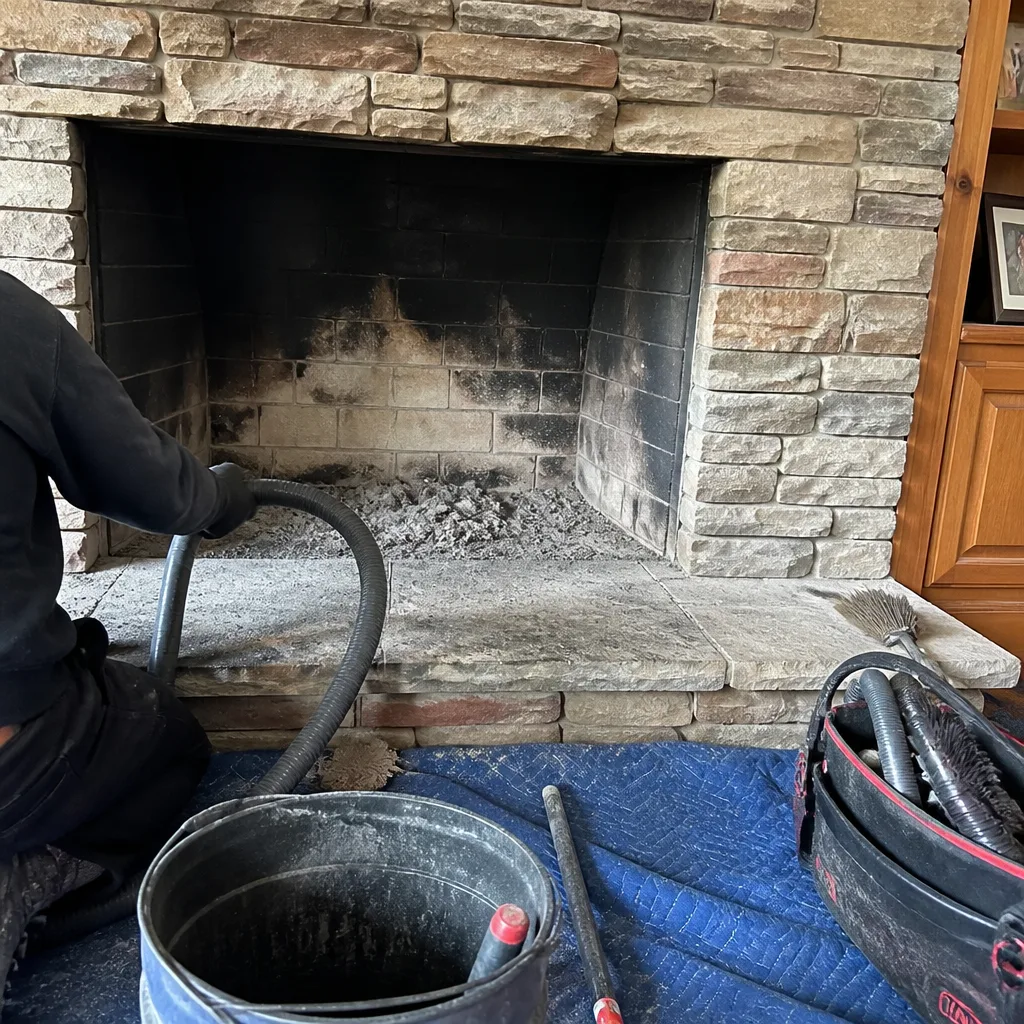 Before
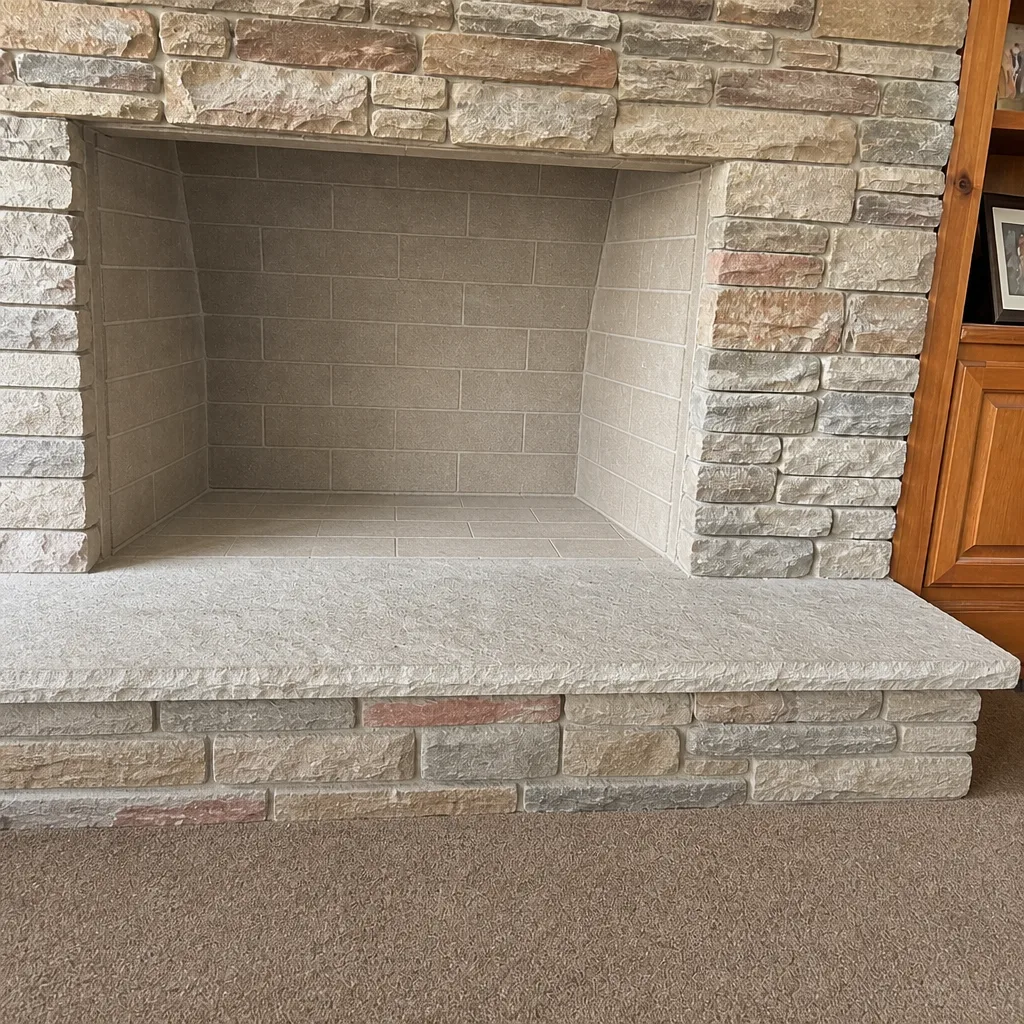 After
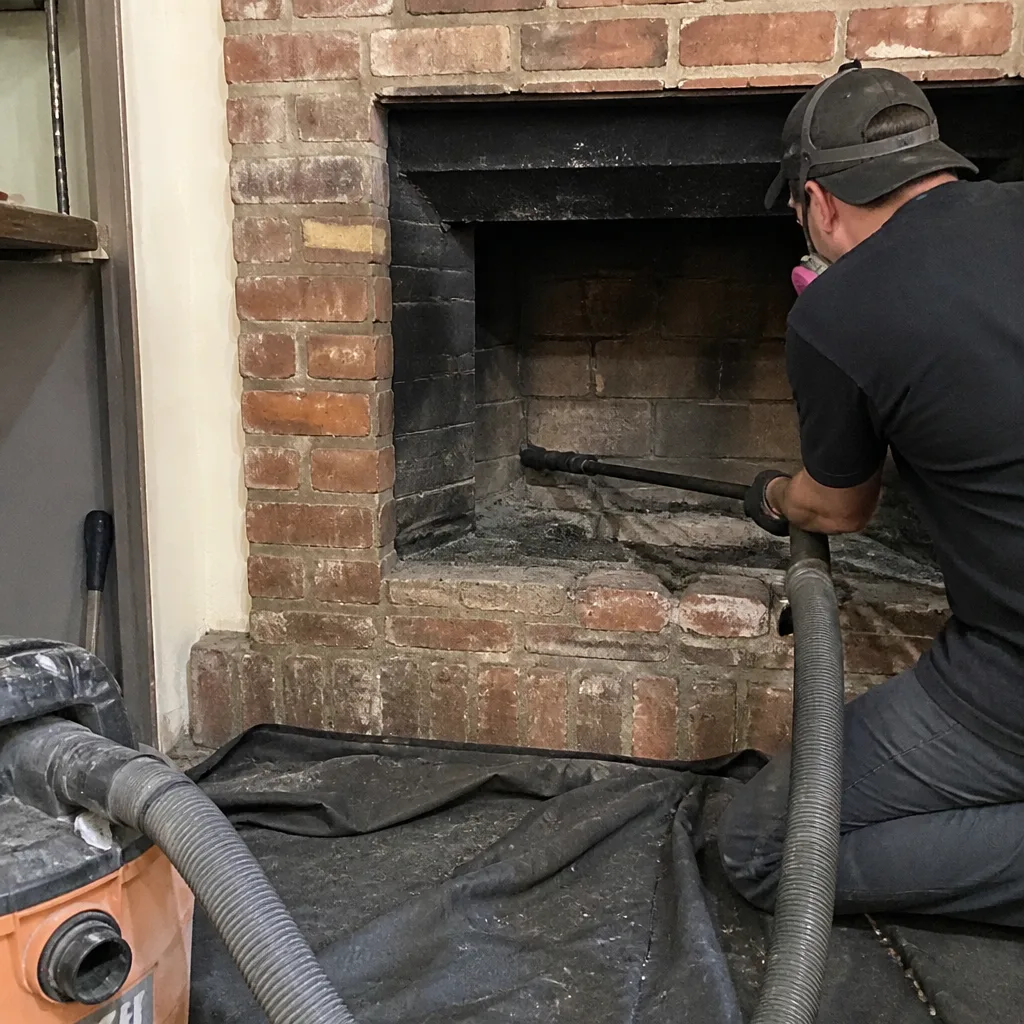 Before
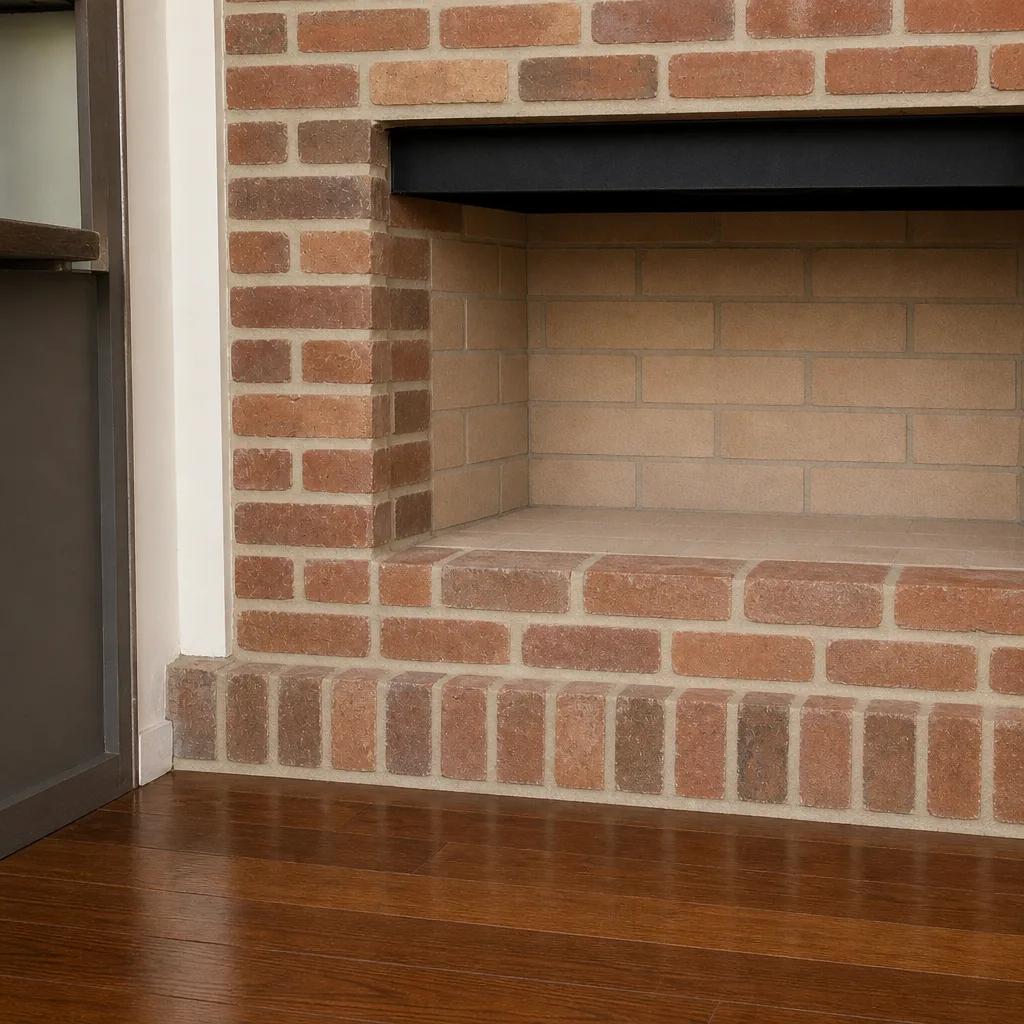 After
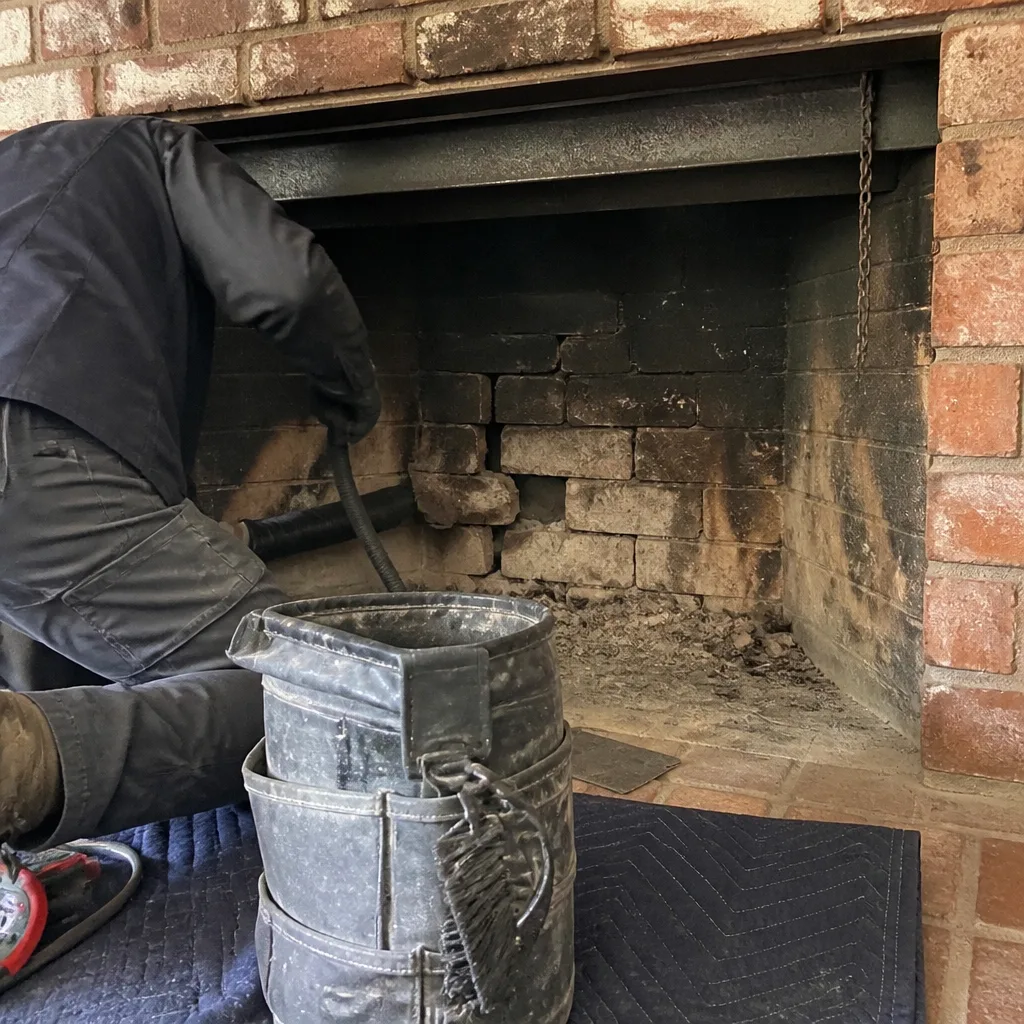 Before
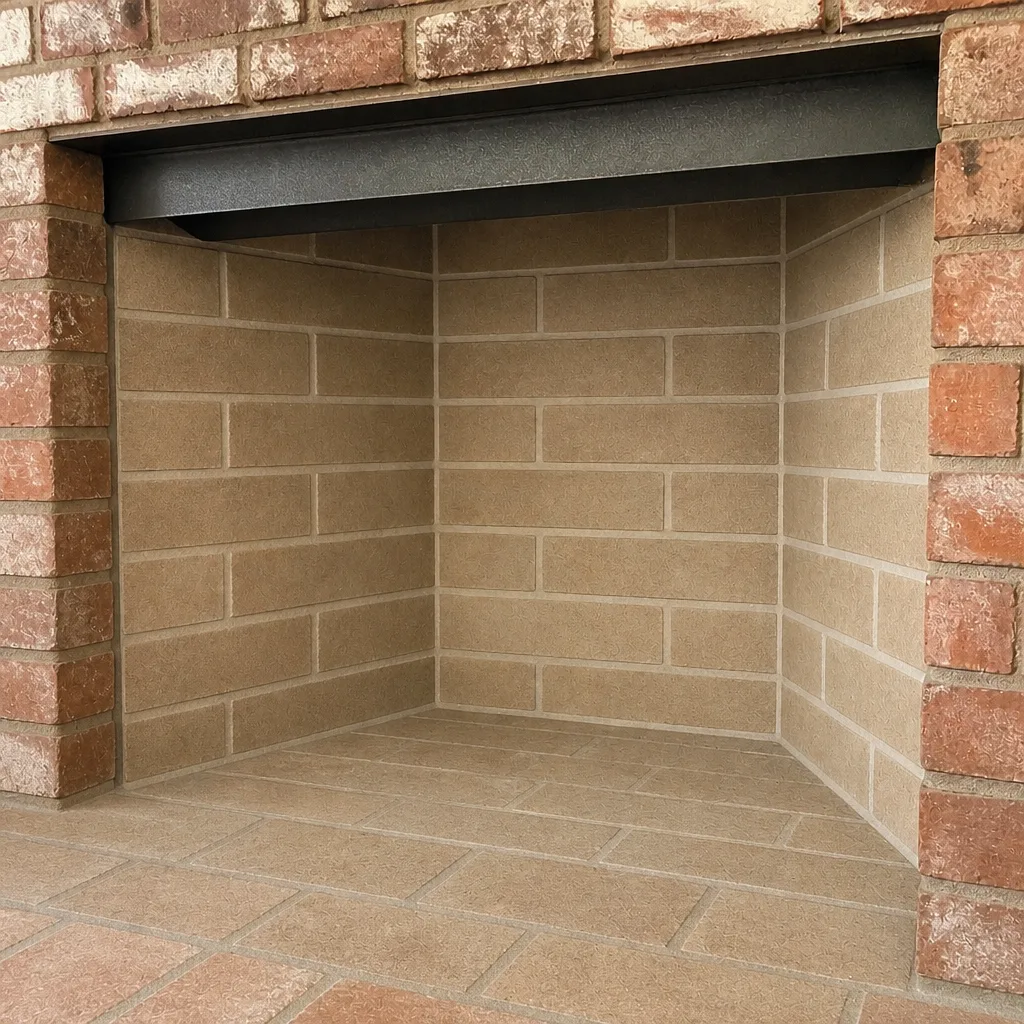 After
When to Call a Professional
Between scheduled maintenance, these situations call for a professional visit today rather than a wait-until-next-season approach:
- Smoke or odor visible indoors when a fire is burning, or the fireplace won’t draft reliably.
- Visible cracks in the firebox, damper, or flue (interior or exterior).
- Any chimney fire, even a small one that seemed to self-extinguish.
- Water stains, efflorescence, or dampness inside or around the firebox.
- A rumbling sound, a popping sound, or a sudden rush of air when the fire is running.
- A home sale, refinance, or new appliance installation – these trigger a Level 2 inspection standard.
Chimney Sweep Roseville offers free estimates in Roseville to walk a specific chimney and provide a written scope. Call (833) 946-0150. Our technicians have up to 9 years of experience working specifically on chimneys – not as a side service.
Frequently Asked Questions
Sweep a chimney when creosote reaches 1/8 inch of buildup, or once a year for an actively used wood-burning fireplace, whichever comes first. Homes that burn softwood or green wood should plan for a more frequent sweep, and gas inserts typically need inspection annually with a sweep driven by what the inspection finds. For a working Roseville chimney, an annual inspection and a pre-season sweep are the practical baseline. Call (833) 946-0150 to schedule and we’ll give you a specific recommendation for your chimney.
Yes. An inspection and a sweep answer different questions, and a chimney that looks clean from the firebox can still have a cracked liner, a deteriorating crown, or a compromised cap that a visible check won’t reveal. NFPA 211 treats annual Level 1 inspection as the baseline for every chimney, regardless of use. The inspection is what catches the problems a sweep alone never would. Call (833) 946-0150 to schedule one; estimates are free.
A Level 1 inspection covers the readily accessible parts of the chimney and is the annual standard. A Level 2 inspection requires access to the entire flue, typically with video documentation, and is required when a home is sold, when the appliance or fuel type changes, after a chimney fire, or after any event that could damage the chimney. If you’re buying or selling a Roseville home, ask for a Level 2 before closing – a level 1 done for the listing is not the same thing. Call (833) 946-0150 to book the level you need.
A standard sweep and Level 1 inspection is priced per job, not on a fixed menu, and the written estimate sets the final price. What we don’t do is upsell a chimney that doesn’t need the work. If your chimney is fine for another season, we’ll tell you that, and we’ll show you the inspection evidence that backs it up. Call (833) 946-0150 for a free estimate; the number reflects your actual chimney, not a package.
You can often extend the interval past one year if your use is genuinely light, but not indefinitely, and you should never skip the annual inspection even when the sweep can wait. A few fires per season still produces creosote, and the amount depends on the fuel and the fire’s draft. If you’re going more than two years without a sweep on an active fireplace, that’s a schedule that’s already too far behind. Call (833) 946-0150 for a first inspection; it will tell you exactly where you stand.
Creosote builds, and creosote is flammable. A skipped sweep increases the chance of a chimney fire, which can damage the flue lining or the chimney structure itself without obvious signs from inside the home. The other risk is a gradual blockage that impairs drafting, which pushes smoke and combustion gases into the room instead of up and out. Neither risk is dramatic until it is, which is why the schedule matters more than the individual sweep. Call (833) 946-0150 to get a specific chimney on a proper schedule; estimates are free.
The Bottom Line
A single annual sweep is the right answer for an actively used wood-burning fireplace, and it’s a starting point at best for every chimney that doesn’t fit that profile. Match the schedule to fuel type, burn frequency, and liner material, and pair every sweep with an annual Level 1 inspection. Use Level 2 when the trigger is a sale, a modification, or a chimney fire, and Level 3 only when a hidden defect needs to be confirmed. Roseville’s mild winters make the fall prep and early spring cleanup the two best windows for scheduled work; use them. Between service visits, the monitoring tasks from this guide catch problems while they’re still small. If you’d rather have an experienced eye establish where your chimney stands, Chimney Sweep Roseville provides inspection, cleaning, and repair work from a team that does only chimneys. We specify DuraFlex for liner replacements and HeatShield for ceramic restoration because those are the systems a specialist would choose, not the systems a generalist happens to stock. Call (833) 946-0150 for a free estimate; we answer 24/7 with fast dispatch from 7am to 7pm, Sunday through Friday.
Written by the team at Chimney Sweep Roseville.
Chimney Sweep Roseville serves homeowners throughout Roseville with professional chimney inspection, cleaning, and repair. Call (833) 946-0150. We answer 24/7. Fast dispatch from 7am to 7pm, Sunday through Friday.