
Last updated November 15, 2026
 Sweep & inspection
 Caps & crowns
 Flue relining
 Masonry repair
 Gas fireplace service
Level 1 sweep and inspection to the NFPA 211 annual standard - flue, crown, cap, and flashing checked and photographed
Chimney sweep logs do not sweep chimneys. They loosen some creosote - which then falls where a brush and vacuum still have to collect it.
Chimney Sweep Maintenance Checklist for Roseville Homeowners
Most chimney maintenance checklists are written by marketers, not sweeps. They tell you to “check for cracks” without mentioning that hairline flue tile cracks are invisible to the naked eye, require a camera to find, and sit behind a large share of residential chimney fires. That kind of advice isn’t just useless; it gives homeowners a false sense of having inspected something. This guide draws a clear line between what you can honestly evaluate yourself and what genuinely requires a professional eye. You’ll get owner-safe visual checks with descriptions of what “bad” actually looks like, the interior warning signs visible from the firebox without tools, and seasonal timing keyed to Roseville’s real burn season rather than generic fall advice.
Quick Answer
A homeowner’s chimney maintenance checklist should cover four things you can verify yourself: cap condition, crown weathering, mortar joint color, and damper function. Everything below the flue tile surface, including hairline cracks, glazed creosote depth, and liner integrity, requires a camera and a trained technician. In Roseville, the practical rhythm is a professional sweep at the end of burn season (March through April) and a light owner check in early October before the first fire.
Styles & brands we work with
- Sweep & inspection
- Caps & crowns
- Flue relining
- Masonry repair
- Gas fireplace service
Table of Contents
- What You Can Honestly Check Yourself
- Interior Warning Signs You Can See From the Firebox
- Seasonal Timing for Roseville’s Burn Season
- Understanding Creosote: The Color Spectrum That Matters
- What to Document Between Professional Visits
- The Three Items Homeowners Consistently Skip
- What Belongs to Your Chimney Professional
- Common Mistakes to Avoid
- When to Call a Professional
What You Can Honestly Check Yourself
Start with the parts of your chimney that are visible from the ground with a pair of binoculars. These are the items where your own eyes are genuinely sufficient, and where catching a problem early saves real money down the line. Grab a notepad before you go outside; the value of a check is only as good as what you record.
Here is the owner-safe inspection list, in the order we recommend walking it:
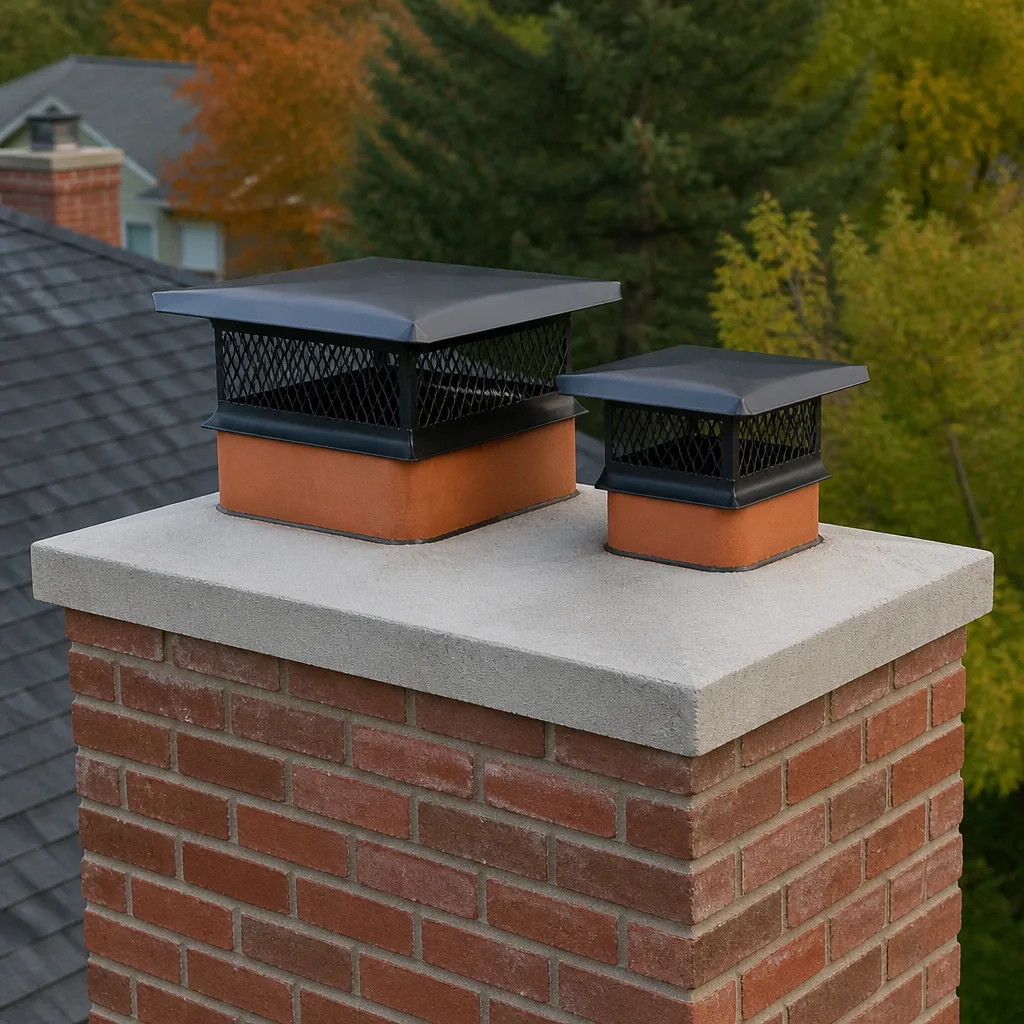
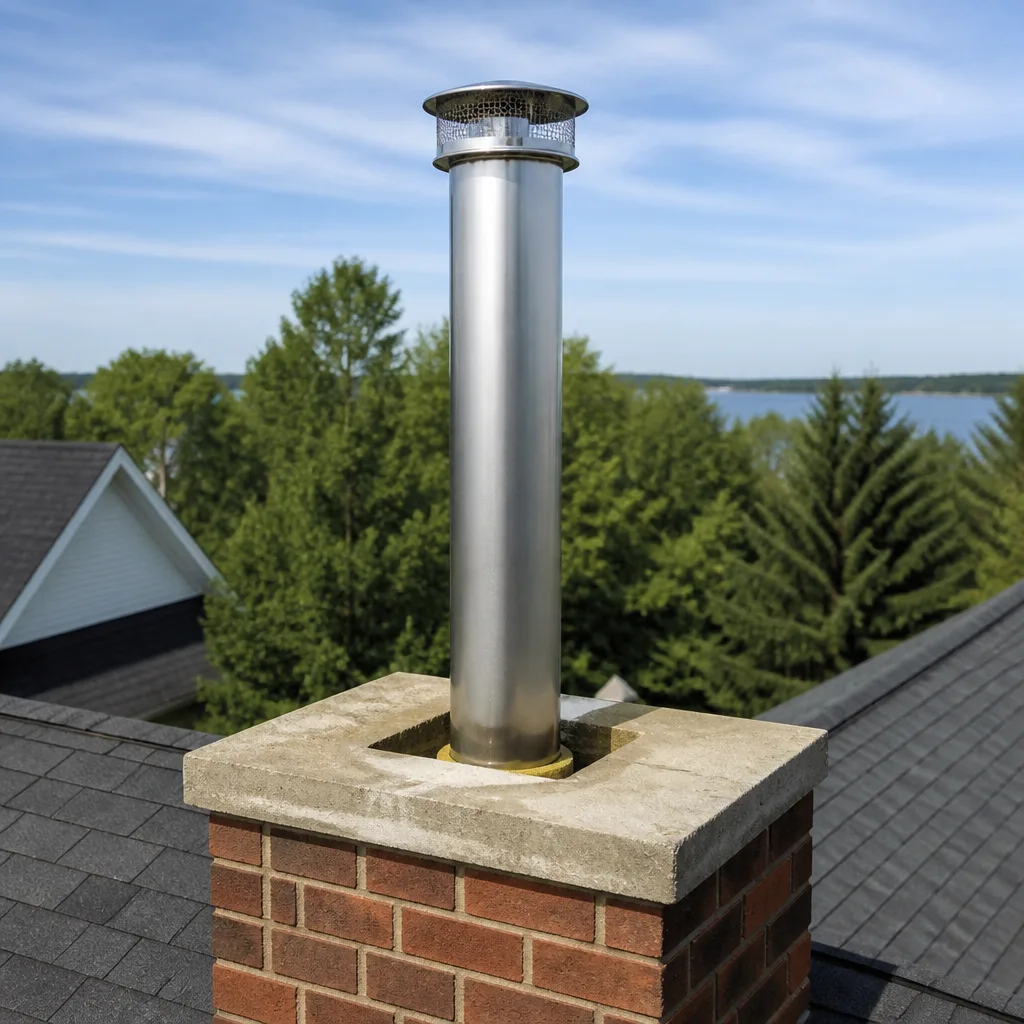
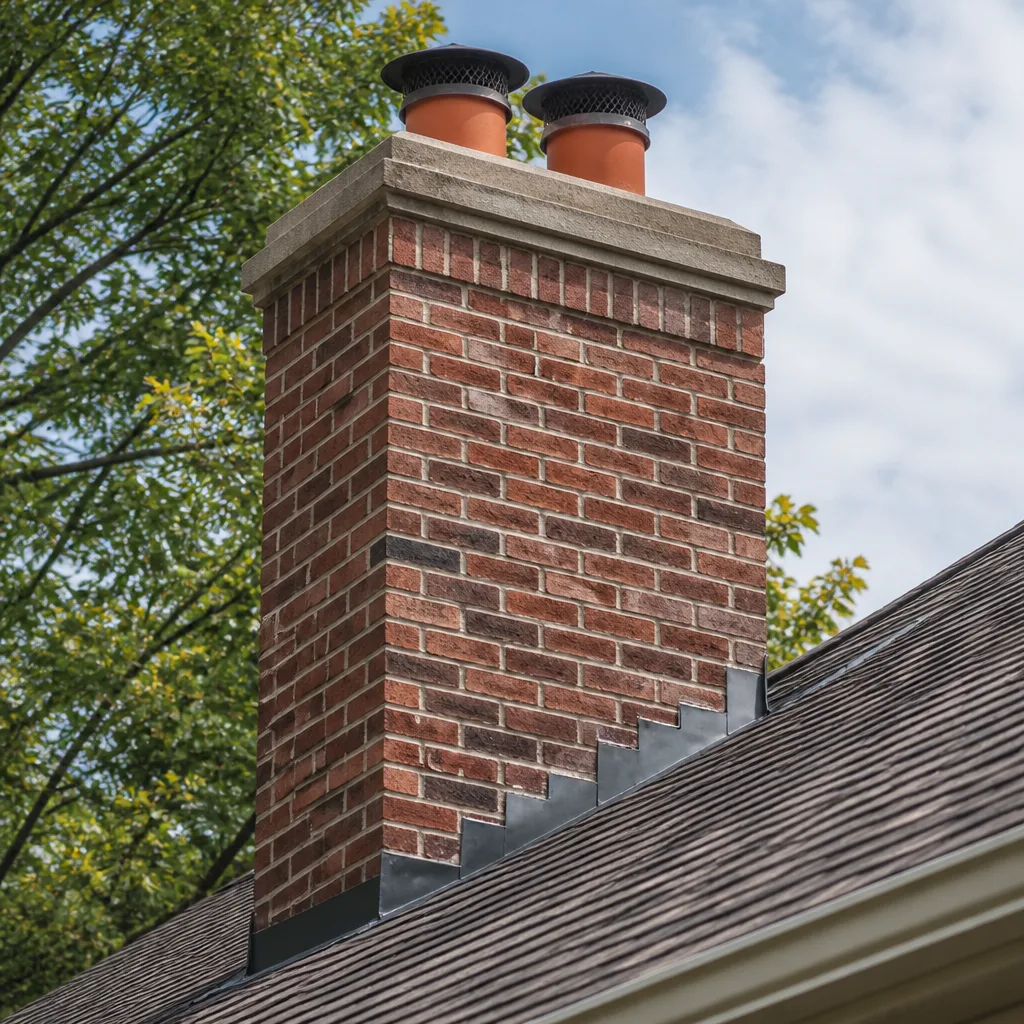
- Cap condition. The cap sits on top of the flue and keeps rain, birds, and debris out. A sound cap is intact and sits level. A failing cap is tilted, rusted through, has cracks in the mesh, or is missing entirely. If you can see daylight where the cap meets the flue, that’s a gap that needs attention.
- Crown weathering. The crown is the sloped concrete surface at the top of the masonry chimney. Good crown: smooth, evenly sloped away from the flue. Failing crown: visible cracks wider than a hairline, crumbling edges, or a slope that has flattened. A cracked crown lets water into the masonry below, and water damage is the most common cause of expensive chimney repairs.
- Mortar joint color. Look at the joints between the bricks. Healthy mortar is a consistent light gray. Mortar turning dark, black, or green-black signals moisture retention or organic growth. White, powdery staining (efflorescence) is a sign that water is moving through the masonry. Either way, it’s worth a note.
- Damper function. Open the damper before you light a fire and close it after; it should move freely through its full range. A damper that sticks, won’t fully open, or won’t seal shut is a functional problem you can safely identify without tools.
None of these four items requires a ladder. All of them are worth a smartphone photo so you can compare against last year. When you’re ready to have the professional side checked, our chimney sweep covers the full flue and firebox in a single visit.
Interior Warning Signs You Can See From the Firebox
You don’t need a camera to spot certain interior problems, and this is where most checklists fall short. Look into the firebox with a flashlight before the first fire of the season. Three things tell you a lot.
Glazed creosote color spectrum
Creosote builds up in stages, and the color is your best clue to which stage you’re seeing:
- Light brown or tan flaky deposits: early-stage creosote, usually manageable with regular sweeping.
- Dark brown or black crusty buildup: intermediate stage, harder to remove and a sign your burn habits or wood moisture need attention.
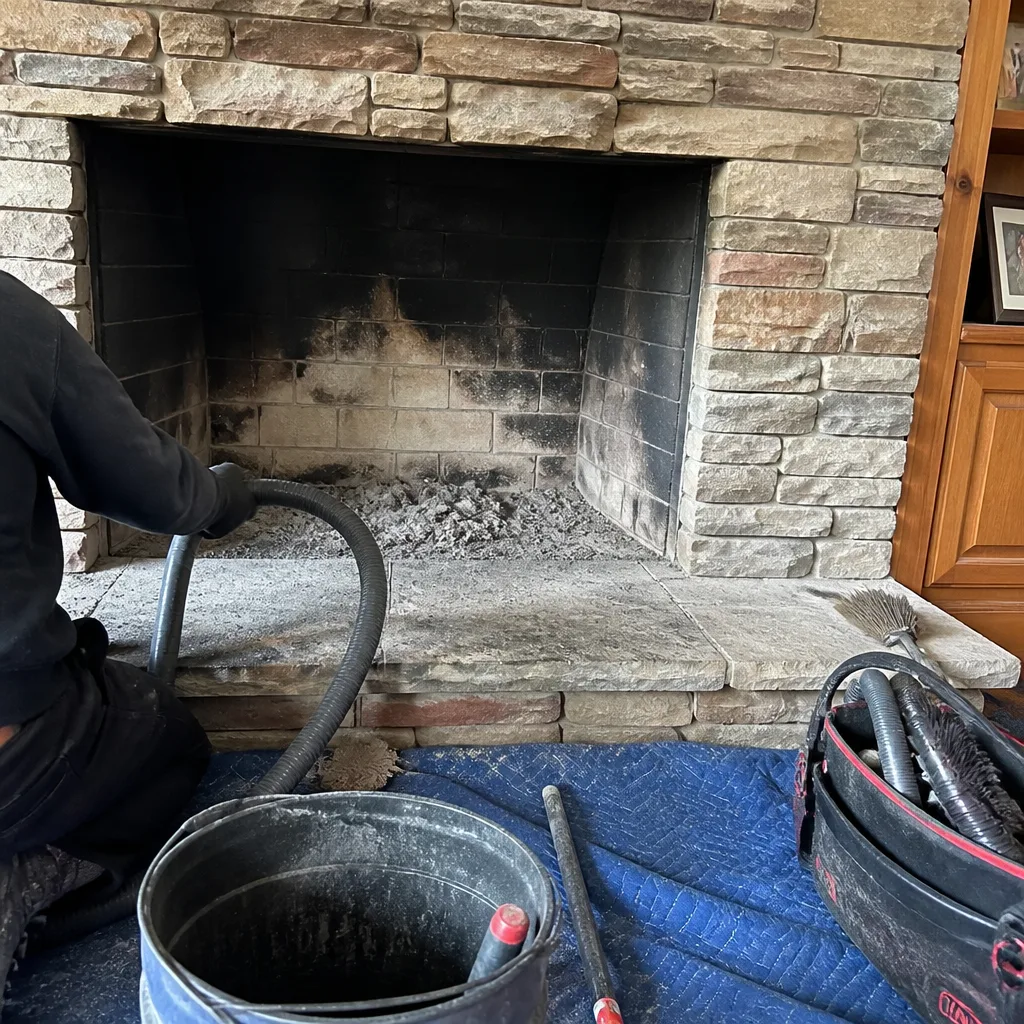
- Shiny, glazed, tar-like coating: stage-three creosote, the kind that ignites and drives chimney fires. This is not a “sweep it next year” situation. A professional needs to look at it before your next fire.
Smoke staining patterns
Staining around the firebox opening, on the face of the fireplace, or on the damper frame tells you smoke is escaping the firebox and not traveling up the flue. Sometimes it’s a damper left partly closed. Sometimes it’s a drafting issue. Sometimes it’s an obstruction you can’t see. Note where the staining is and add it to your log.
Damper warping
Run your hand along the damper plate, or look at its edge against the frame. A plate that no longer sits flat, bows in the middle, or shows heat discoloration in a way it didn’t last season has warped. A warped damper doesn’t seal, which means heat loss in winter and draft problems all year. This is checkable from the firebox without any tools.
If any of these three signs show up, book an inspection rather than waiting. Our chimney repair team works from camera evidence, and nothing gets recommended that you can’t see for yourself on the monitor.
Seasonal Timing for Roseville’s Burn Season
Roseville fireplaces tend to run from October through March. Generic maintenance advice tells you to sweep in fall, but in our experience the better rhythm for our local climate is a bit different. Sweeping at the end of the burn season gets the creosote out before it sits through the hot months and hardens, and it leaves the flue clean all summer. Then a light owner check in early October catches anything that developed over the warm season, before you light the first fire.
Here’s the timing we recommend as a yearly rhythm:
- March to April: professional sweep at the close of burn season. This is also when a Level I inspection makes sense, because the flue is clean and the camera sees every surface clearly.
- May: review your log from the previous season while it’s fresh. Note anything the sweep flagged.
- July to August: if any repairs were recommended, this is the calm window. Chimney work is not urgent work in July.
- Early October: owner visual check, cap and crown inspection from the ground, and damper test. Book any needed professional visit now, before the season.
- October through March: burn season. Watch for the interior warning signs from the firebox after each heavy-use week.
Roseville’s mild winters don’t mean a pass on maintenance. Wood smoke and creosote don’t care about outside temperature. And a light winter in the Central Valley still means dozens of fires per household over the season, each one depositing a little more buildup in the flue.
Understanding Creosote: The Color Spectrum That Matters
Creosote is the residue from burning wood, and it collects on the inside of the flue every time you light a fire. It is also the fuel for the majority of chimney fires. Understanding the three stages gives you a realistic picture of where your firebox sits on the maintenance curve.
Stage one is the soot-and-flake stage. Light deposits, often brown or gray, brush off with a standard sweep. Most homeowners who burn dry, seasoned wood and have the chimney swept on a regular cadence never see much beyond this.
Stage two is the crust stage. Darker, harder, and often the result of burning wood that wasn’t fully seasoned or burning at low temperatures that produce more incomplete combustion. Stage two is when the interval between sweeps needs to shrink.
Stage three is the glazed stage. Shiny, hard, tar-like, and the most dangerous. Once glazed creosote forms, a standard brush won’t remove it; it takes chemical treatment or mechanical removal, and sometimes liner replacement if the glaze has compromised the flue itself. If you see this in your firebox, stop burning until a professional has looked at the flue.
Brands matter here when it comes time to restore a flue that’s taken damage. We specify HeatShield for ceramic resurfacing because it restores the flue lining without a full tear-out in many cases, and DuraFlex for flexible relining when a full replacement is genuinely necessary. Both are recognized industry names because they hold up to the conditions a chimney actually sees.
What to Document Between Professional Visits
A simple log makes the sweep’s job faster and your costs lower. We mean that literally: when the technician arrives with a history of what you’ve been burning, when you’ve been burning it, and any changes you’ve noticed, the inspection narrows quickly to the right areas. Here’s a simple format that works.
- Date of each fire. A simple list. You don’t need times, just dates.
- Wood type and moisture. “Seasoned oak, split last spring” is enough. If the wood was green or damp, note that.
- Weather. Approximate nighttime low for the burn day. A cold snap tends to mean more prolonged, cooler burns, which drive creosote faster.
- Any smoke spillage or odor. Even a small puff of smoke into the room is worth writing down. It’s a clue.
- Any owner-check results. Cap condition, crown, mortar, damper, from your pre-season walk.
- Photos. One photo of the firebox and one of the chimney cap per season is enough. Date-stamped photos make the log more useful.
Bring that log to the inspection and hand it over. It’s the kind of thing that makes us want to keep the estimate honest rather than pad it. Chimneys tell a story and a good log reads like a chapter outline before the sweep even opens the access panel.
The Three Items Homeowners Consistently Skip
Most checklists stop at the four owner-safe items from the first section. In our experience, three specific items on those lists get skipped most often, and they’re the ones that matter most for long-term chimney health.
1. The chimney cap
The cap is awkward to check. It’s on the roof. You need binoculars or a tripod-mounted phone to see it clearly from the ground, and most homeowners skip it because it “looks fine” from thirty feet away. It doesn’t take much of a tilt to let water into the flue and start the masonry damage clock. A flat cap that should be sloped, a corner lifting, or cracks in the mesh are all things a binocular check catches and a quick glance doesn’t. Caps are cheap compared to the interior work that a failed cap causes.
2. The attic penetration
If your chimney passes through the attic, the penetration where it enters the roof deck is awkward to reach. It’s also where water and animal intrusion show up first. Homeowners skip it because they rarely go into the attic and don’t know what to look for. What to look for: daylight around the penetration, staining on the framing, loose flashing, or nesting material. One look in the fall catches a lot of small problems before they become big ones.
3. The junction between the stove or insert and the flue
For wood stove and gas insert owners, the connection between the appliance and the flue is a spot where small leaks or loose fittings hide. It’s awkward because it’s usually behind the stove, near the floor, and not something you want to move appliances around to check. But it’s also where combustion gases can escape into the room if a joint loosens. A visual check with a flashlight while the stove is cold is fine; you don’t need to disconnect anything. If you see soot streaks, a joint that has worked loose, or rust, note it and let a professional look.
Each of these three items shows why a professional inspection earns its place. A trained technician knows what a normal attic penetration looks like and what a problem looks like. Chimney work is all we do, and that focus is exactly what makes the awkward checks worth booking.
What Belongs to Your Chimney Professional
Here’s the honest line. Homeowners can check the exterior cap, crown, and mortar from the ground. They can check the firebox interior and the damper. Everything else requires either a camera, a rooftop vantage, or equipment you don’t own, and that’s where we come in.
The professional side of the checklist covers:
- Flue interior inspection. A camera run through the full flue catches hairline tile cracks, gaps at the joints, and stage-three creosote that’s invisible from below.
- Full exterior inspection. Roof-level check of the cap, crown, flashing, and masonry. Checking these from the ground with binoculars is useful but not the same as standing next to them.
- Draft testing. A measurement of how well the flue is drawing, which catches issues that turn into smoke problems later.
- Level assessments aligned with NFPA 211. Level I inspection for a routine annual check, Level II when a change has happened (new appliance, after a chimney fire, or when buying a home), Level III when a concealed hazard needs to be opened up.
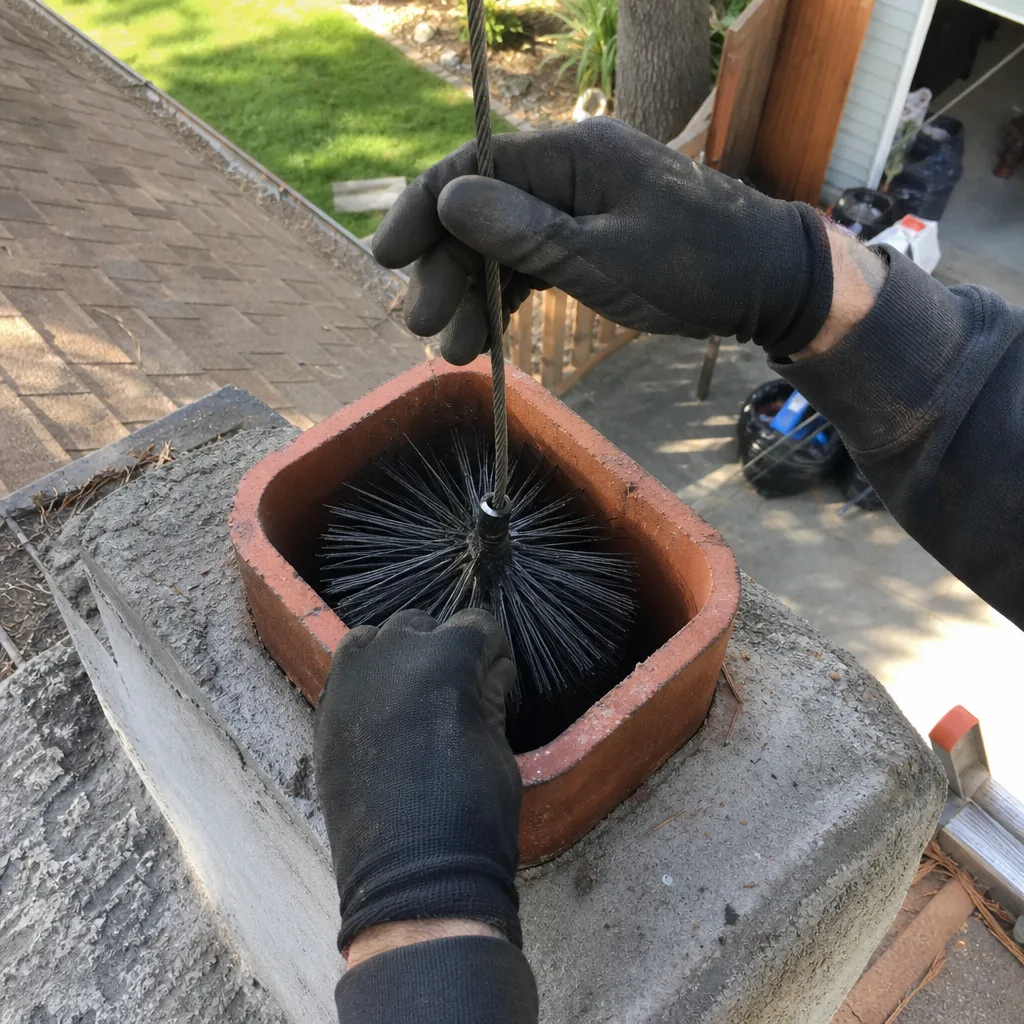
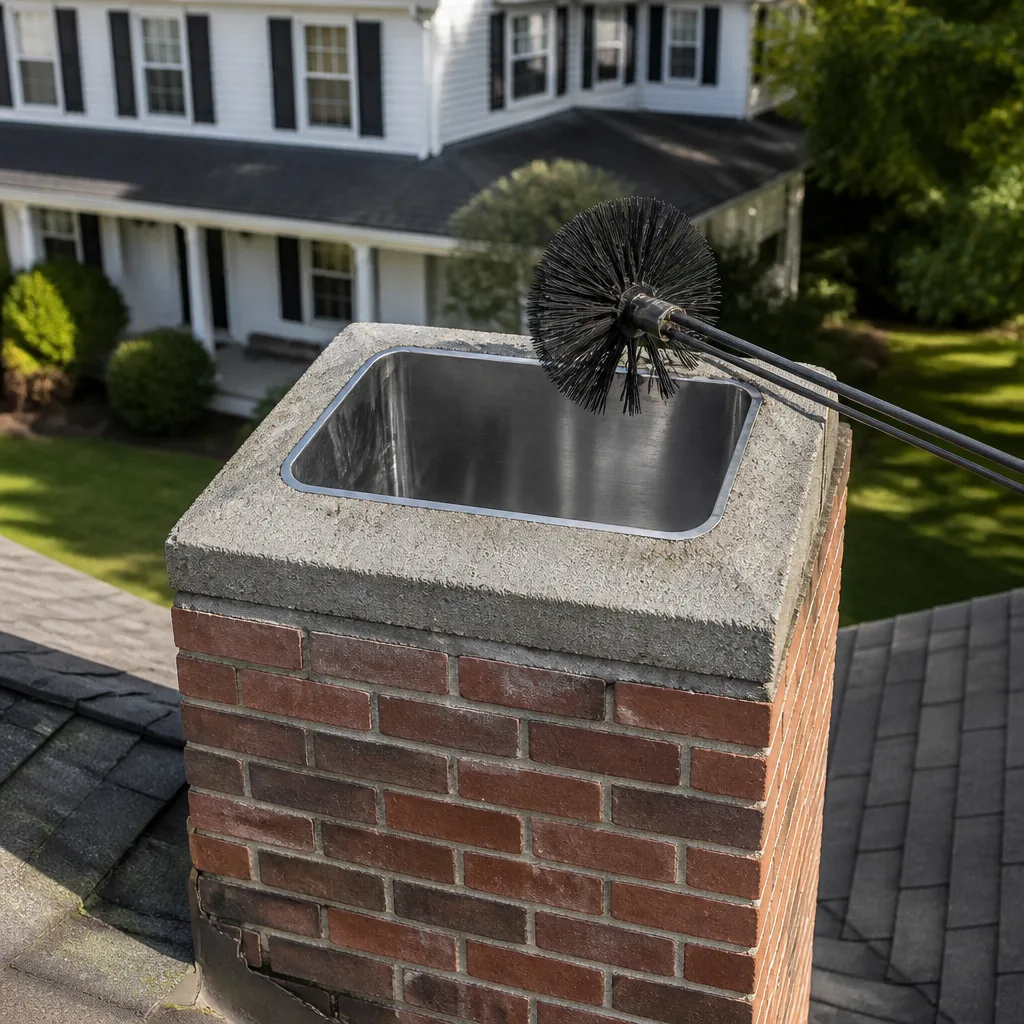
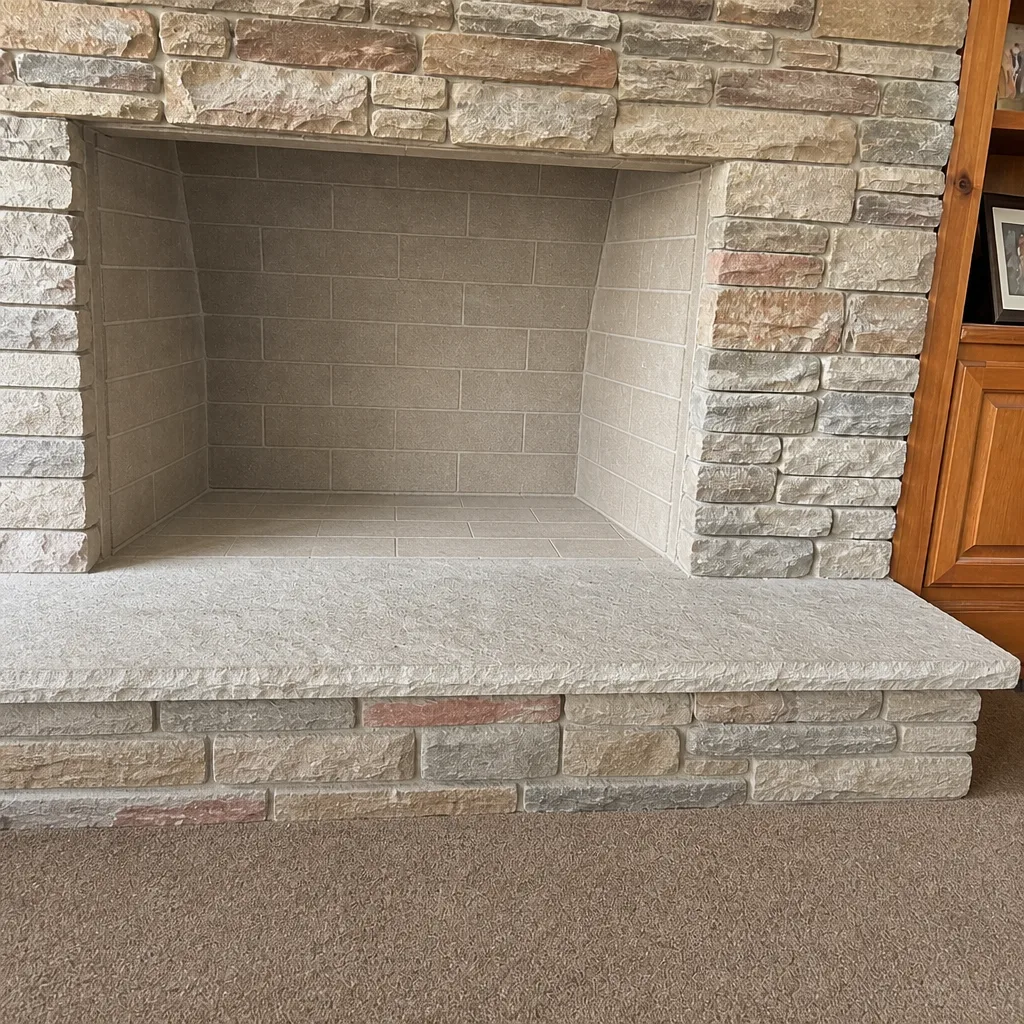
- Sweeping. A proper sweep removes the deposits the brush can reach and treats the surfaces the brush can’t.
- Repair scoping. HeatShield resurfacing, DuraFlex relining, or targeted masonry repair, specified by name when the situation calls for it, so you can verify the brand matches what’s actually installed.
We don’t subcontract. The same company that inspects your Roseville chimney is the one that cleans it and, if repairs are needed, does those too. That matters because the follow-up never gets shuffled to a different contractor who hasn’t seen the roof.
Common Mistakes to Avoid
- Sweeping “by feel” instead of by evidence. A homeowner who waits to feel creosote smell before booking a sweep is guessing. The whole point of a camera inspection is to remove the guess. Book on schedule and let the camera decide whether more work is needed.
- Treating the four owner-checks as a substitute for the professional one. The cap, crown, mortar, and damper checks are useful, but they say nothing about the flue tile interior. A chimney that passes all four can still have a hairline flue crack feeding a real fire risk.
- Burning green or unseasoned wood in Roseville winters. It’s tempting because it’s cheaper, but it dumps far more creosote into the flue per fire. Not every cheap cord of wood is a good cord of wood, and the sweep bill reflects that.
- Skipping the summer window for repair work. Repair work done in September when the burn season starts is repair work done in a hurry. June through August is the calm window, and the technician isn’t booked solid.
- Assuming a gas insert doesn’t need maintenance. Gas venting still carries combustion gases and carbon monoxide out of the house. A blocked vent on a gas appliance is a serious safety issue, not a cosmetic one.
- Not keeping a log. Changing wood suppliers, changing burn habits, or changing appliances are exactly the events an inspector needs to know about. Without a log, they’re invisible.
- Hiring a generalist for chimney-specific work. Chimney systems have their own standards and their own failure modes. A roofer or handyman who “does chimneys on the side” is not the same as a specialist. Ask what brands they carry and whether they inspect with a camera; the answers tell you a lot.
When to Call a Professional
Call a professional the moment any of these scenarios shows up: smoky backdraft into the room even once during a burn, a shiny glazed coating in the firebox, visible cracking in the crown or masonry from the ground, a chimney fire (past or current, even a small one), a new appliance installation, a home purchase without a recent inspection, or the annual sweep milestone arriving without one having happened. Our technicians have up to 9 years of experience across the full range of chimney systems in this area, including the older Roseville masonry chimneys and newer construction with prefabricated flues.
Chimney Sweep Roseville offers free estimates in Roseville. Call (833) 946-0150. We answer 24/7, and fast dispatch from 7am to 7pm is standard. When we recommend work, we recommend it from camera evidence you can see on the monitor yourself, and if something can safely wait, we’ll tell you that too. A chimney inspection isn’t a formality; it’s a fire-safety checkpoint, and it should come with a straight answer about whether you need to act now or can plan the work for a calmer month.
See the difference
 Before
 After
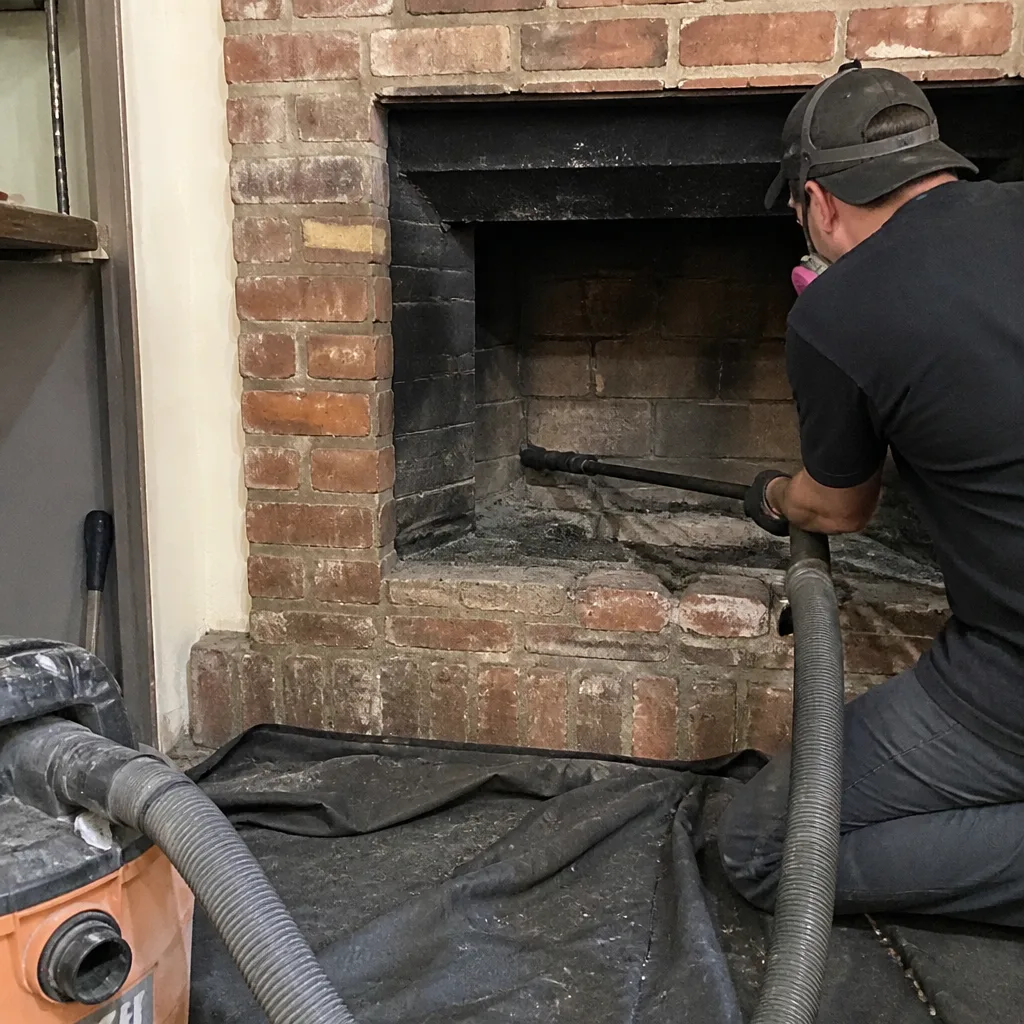 Before
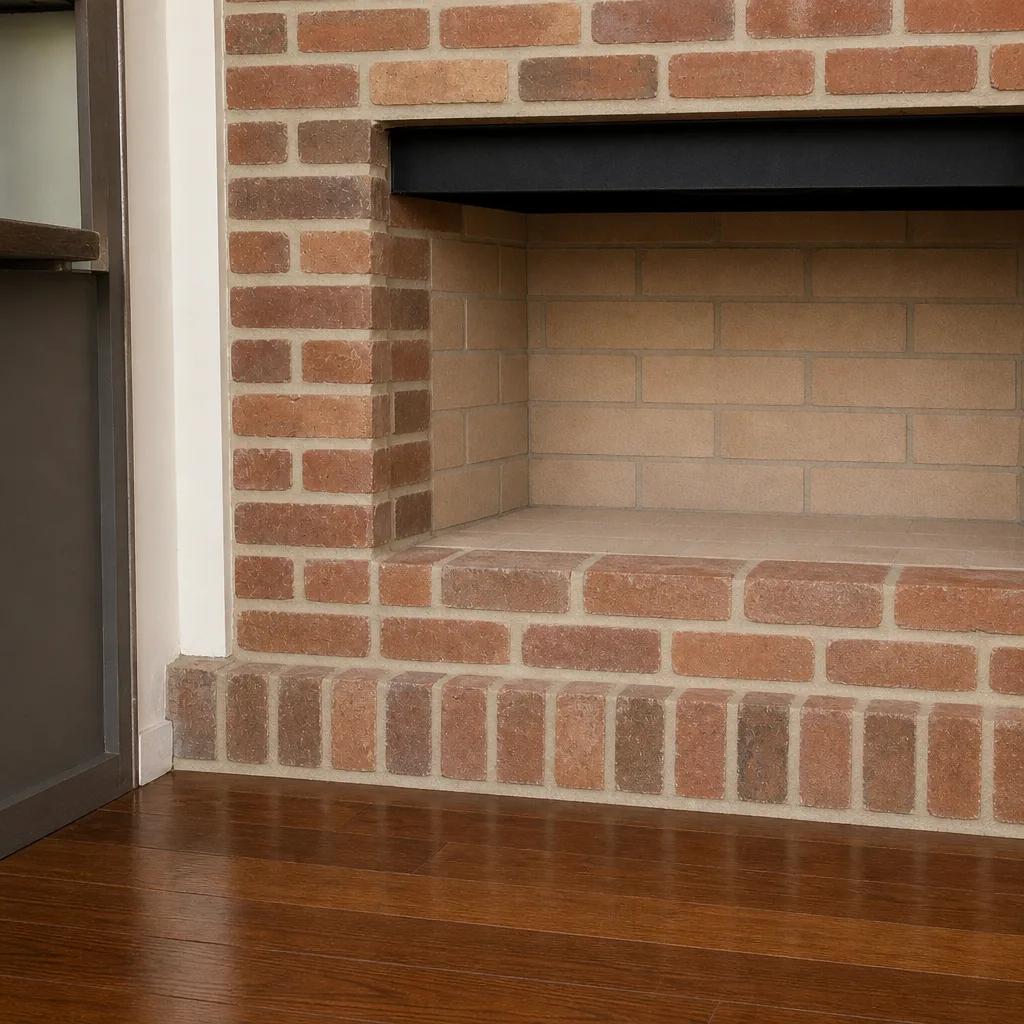 After
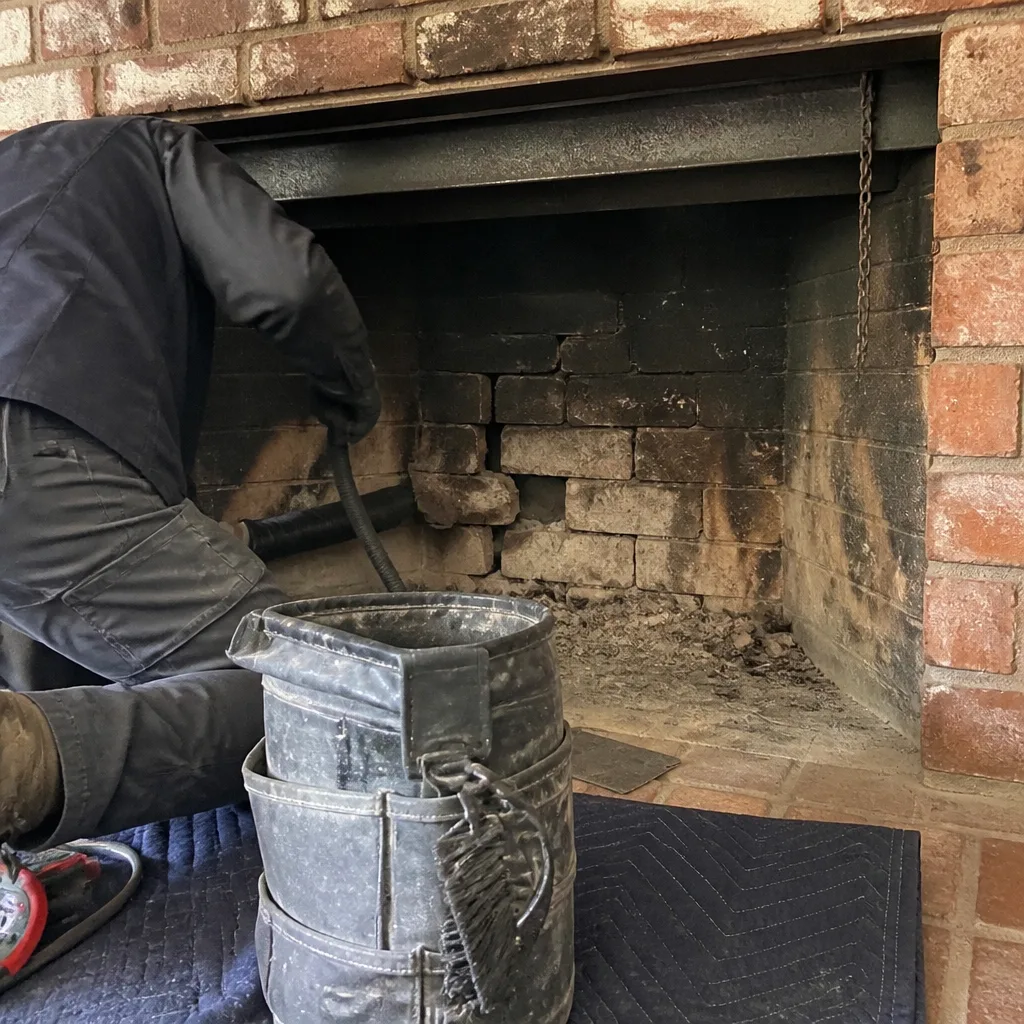 Before
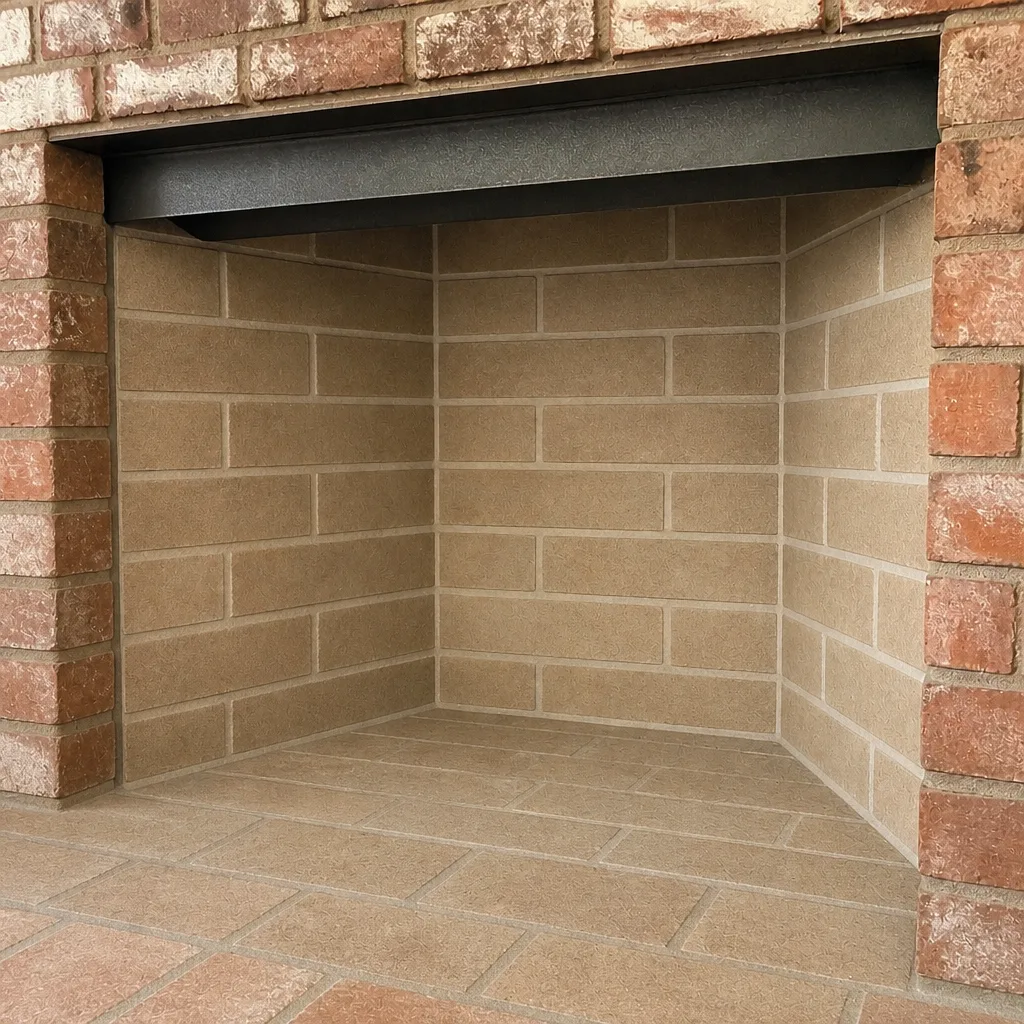 After
Frequently Asked Questions
Once a year for most households burning through the October to March season, and more often if you burn green wood or notice glazed creosote in the firebox. The sweep interval isn’t a fixed number; it depends on what your fires leave behind, which is why we recommend a camera view each year rather than a blind schedule.
You can genuinely inspect four things well: the cap, the crown, the mortar joints, and the damper, all from the ground or the firebox with no tools. You can’t honestly inspect the flue interior, the flashing, or the draft, because those require a camera and roof access. This guide is built to keep that line clear so you’re not doing a check that gives you false confidence.
Shiny, hard, and tar-like, often black or deep dark brown, coating the inside of the firebox or visible at the top of the flue. It’s the third stage of creosote buildup and it will not come off with a standard brush. If you see it, stop burning until a professional has assessed the flue. Do not try to chip it off; a hard mechanical attack on glazed creosote can damage the flue tile.
No. Some chimney fires are slow, quiet, and produce almost no visible sign from inside the house. Homeowners find out years later during an inspection, when cracked flue tiles or warped metal reveal a fire they didn’t know happened. That’s one of the reasons the annual inspection matters; it catches the aftermath of fires you’d never guess had occurred.
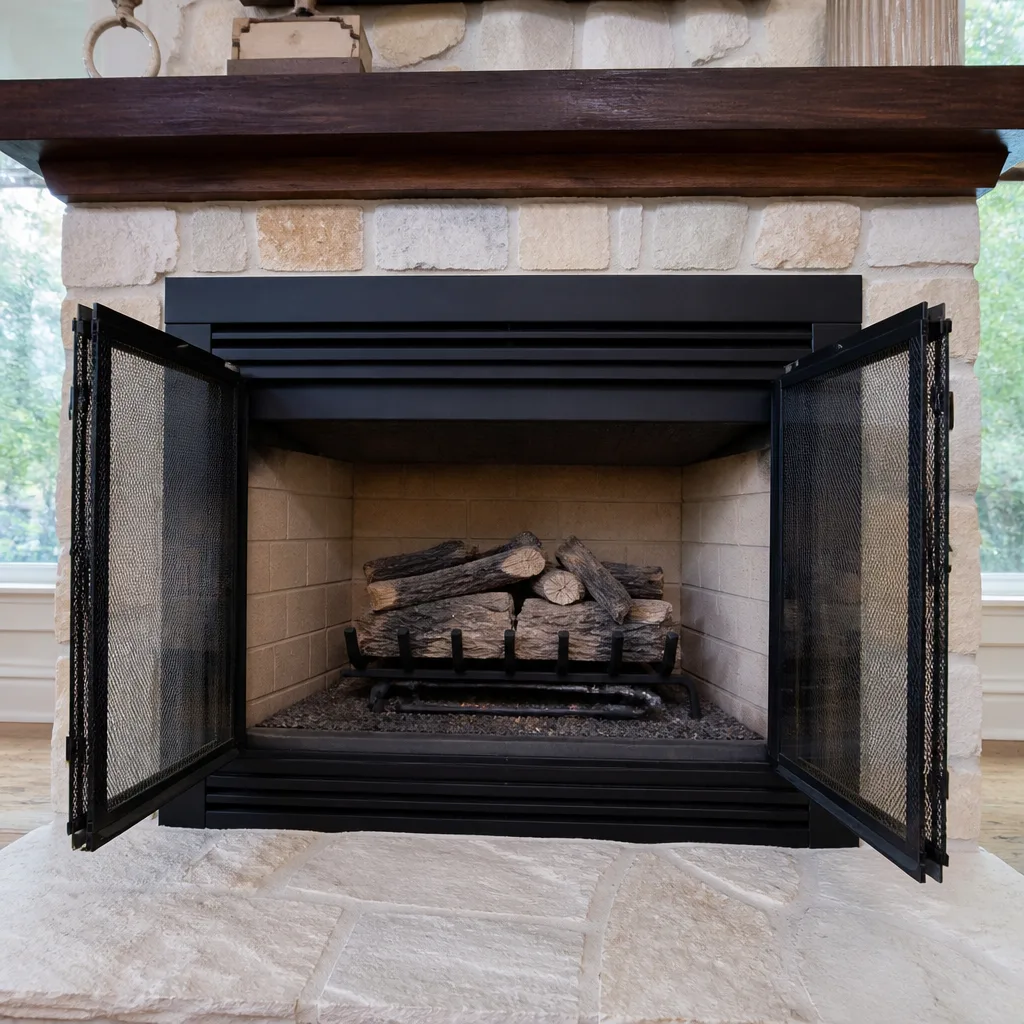
Similar maintenance, different priorities. Gas inserts need the vent checked for blockage and the appliance checked for proper operation; carbon monoxide is the real hazard. Wood stoves need the same creosote watch as a fireplace, plus a check of the connection between the stove and flue, which is one of the awkward items most owners skip. Both benefit from an annual inspection.
Ask to see the camera footage that supports it. Any recommendation for HeatShield resurfacing or DuraFlex relining should come with a visible reason on the monitor, and you should be able to ask questions about what you’re seeing. If a recommendation can wait, that’s also a fair answer; the sweep should be comfortable saying so. Call (833) 946-0150 if you want a second opinion on whether the recommended work is necessary.
The Bottom Line
A chimney maintenance checklist is only honest when it says what a homeowner can and can’t verify. You can check the cap, crown, mortar, and damper from the ground. You can watch the firebox for glazed creosote, smoke staining, and damper warping. Everything else needs a camera and a trained technician. Roseville’s burn season runs October to March, and the best rhythm for our climate is a professional sweep at the end of the season plus a light owner check in early October. Keep a simple log, and let the sweep work from evidence rather than guesses.
If you’d like an inspection you can see the results of, call Chimney Sweep Roseville at (833) 946-0150 for a free estimate. We work with DuraFlex, HeatShield, Copperfield, Olympia Chimney, Famco, and Gelco because they’re specified by chimney professionals nationwide. We’re a specialist shop; chimney work is all we do, and whether you live near downtown Roseville or out toward the edges of town, the same standard applies. You’ll get a camera inspection with a photo report, and if the chimney can safely wait until summer, we’ll say so.
Written by the team at Chimney Sweep Roseville.