
Last updated November 15, 2026
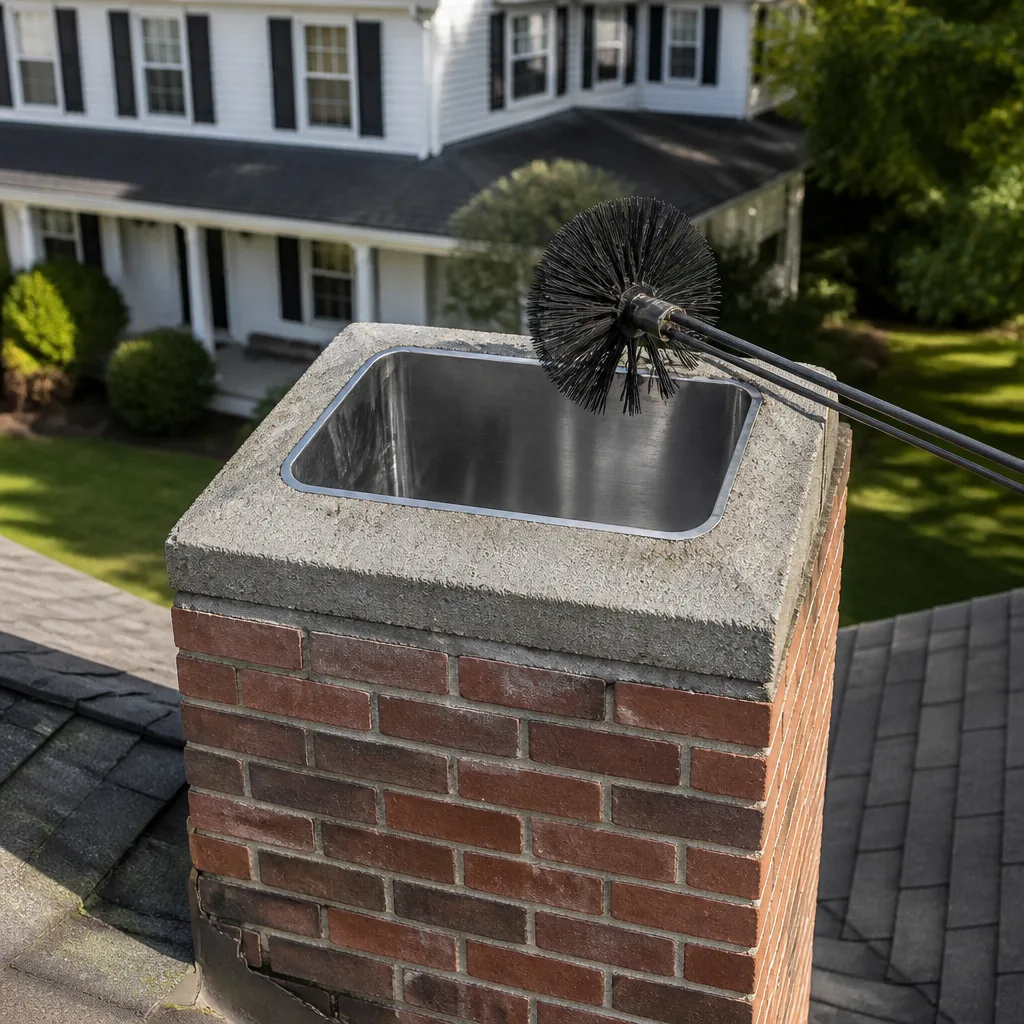 Sweep & inspection
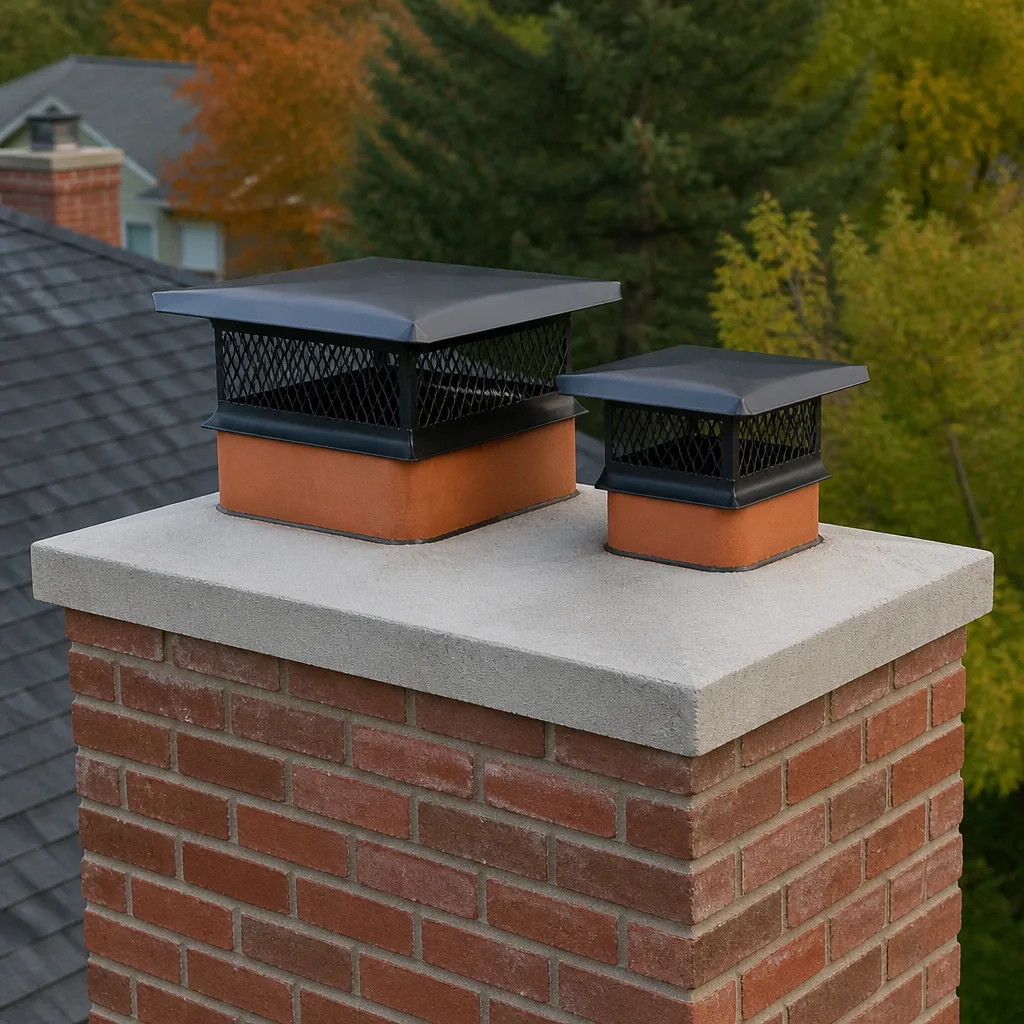 Caps & crowns
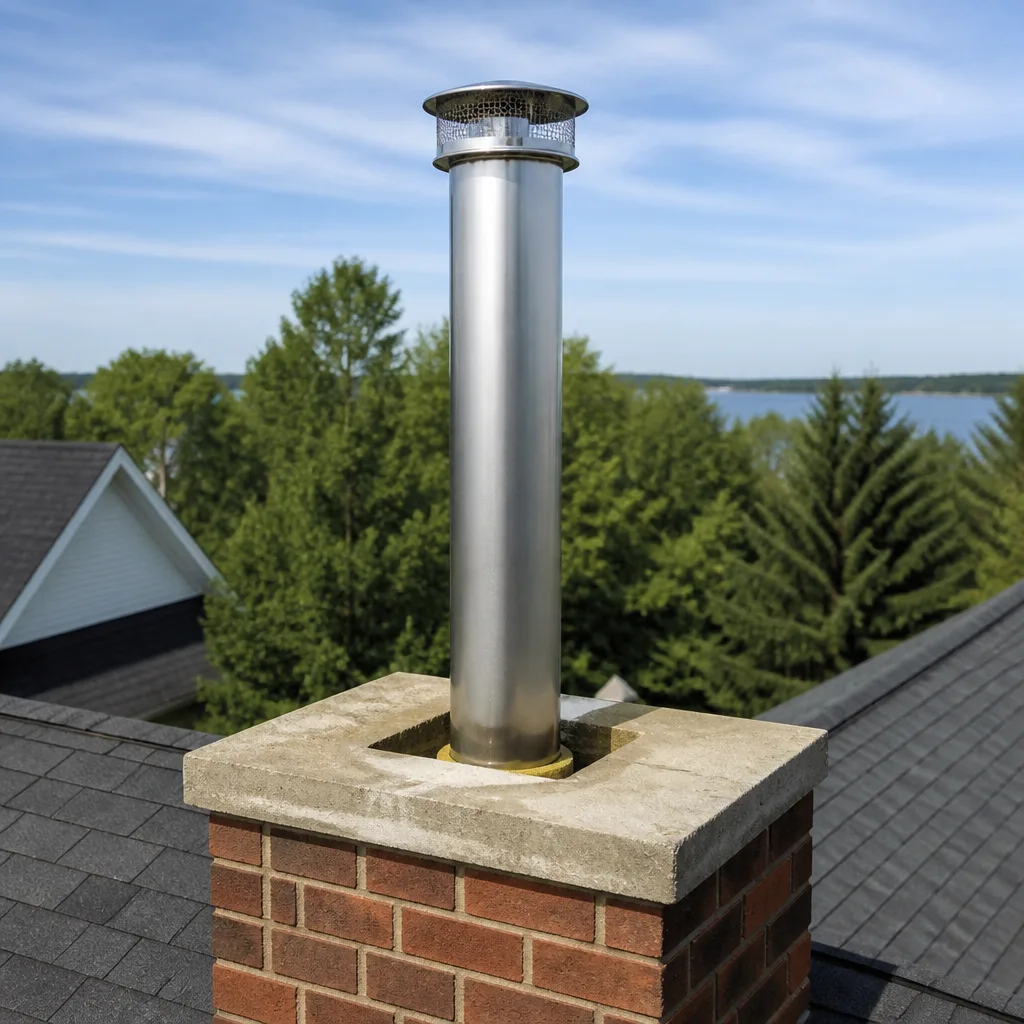 Flue relining
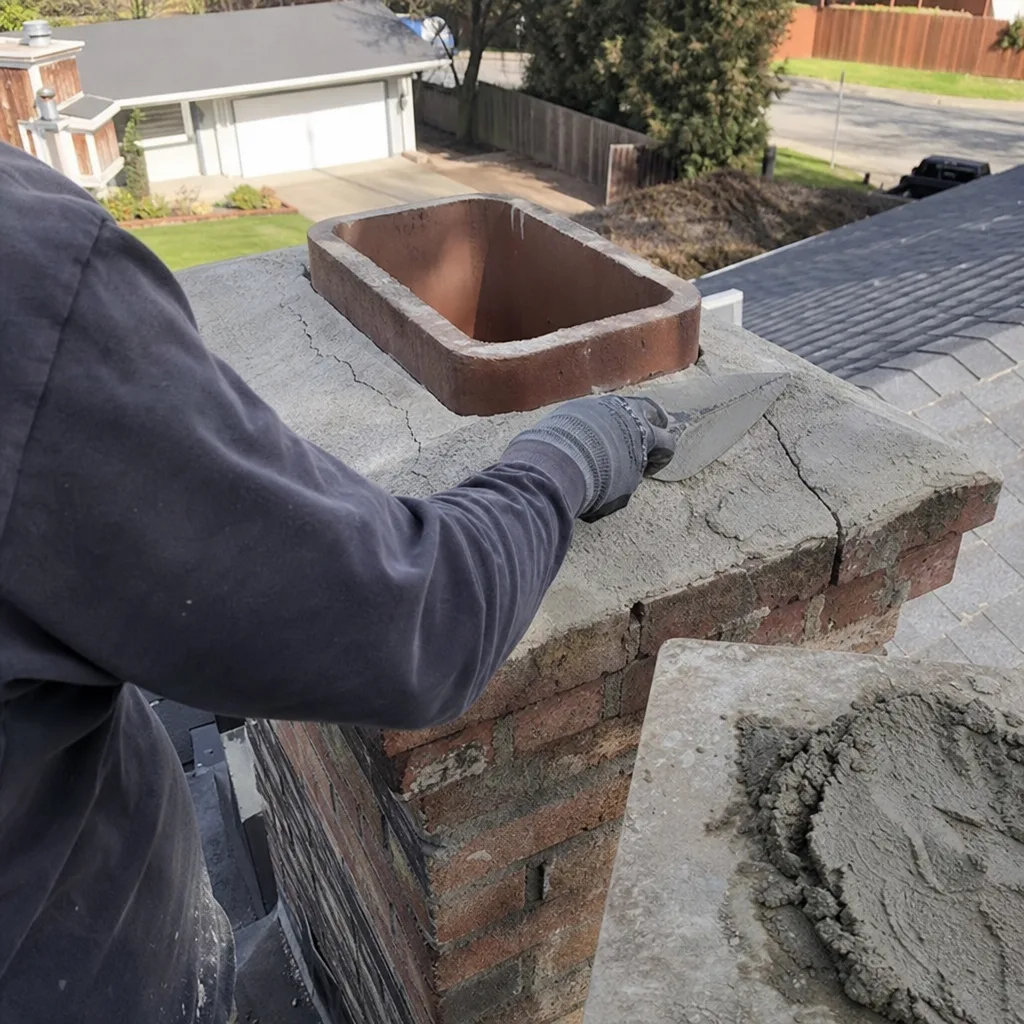
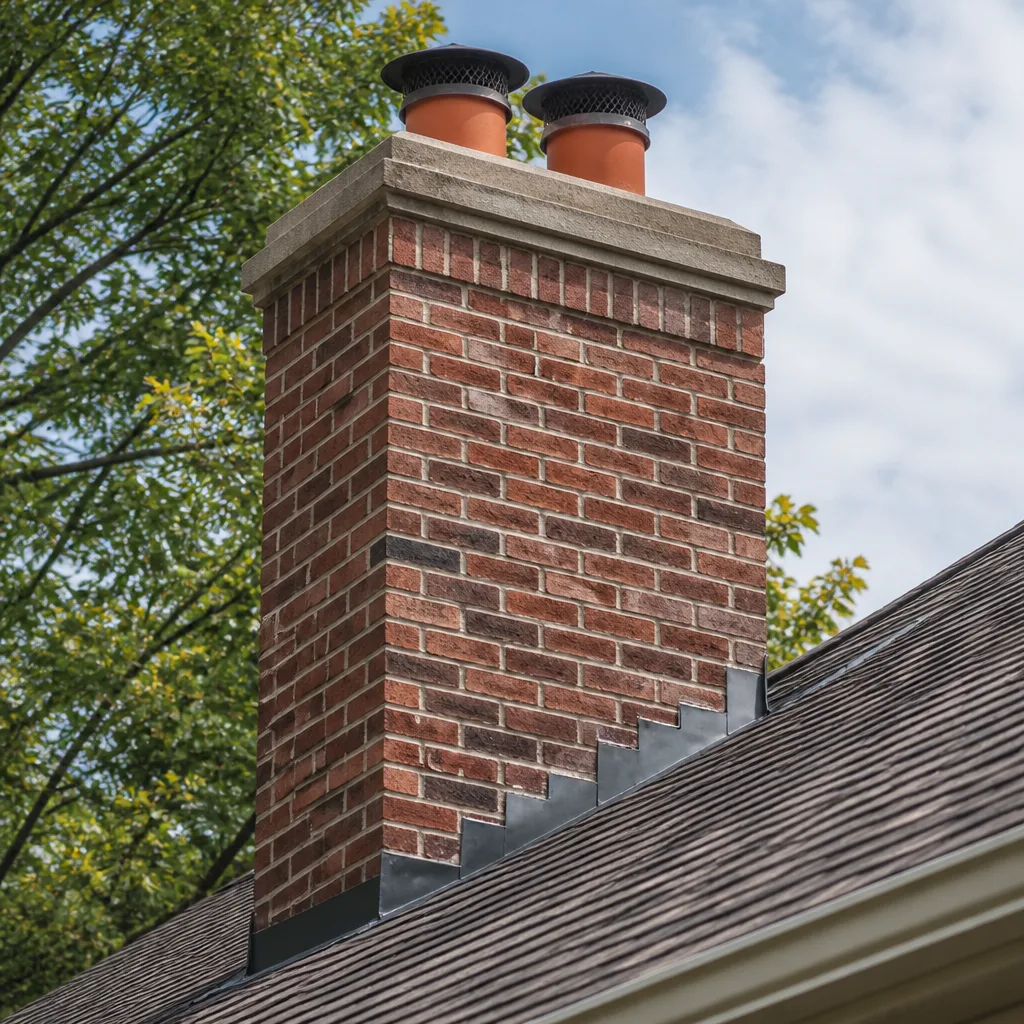 Masonry repair
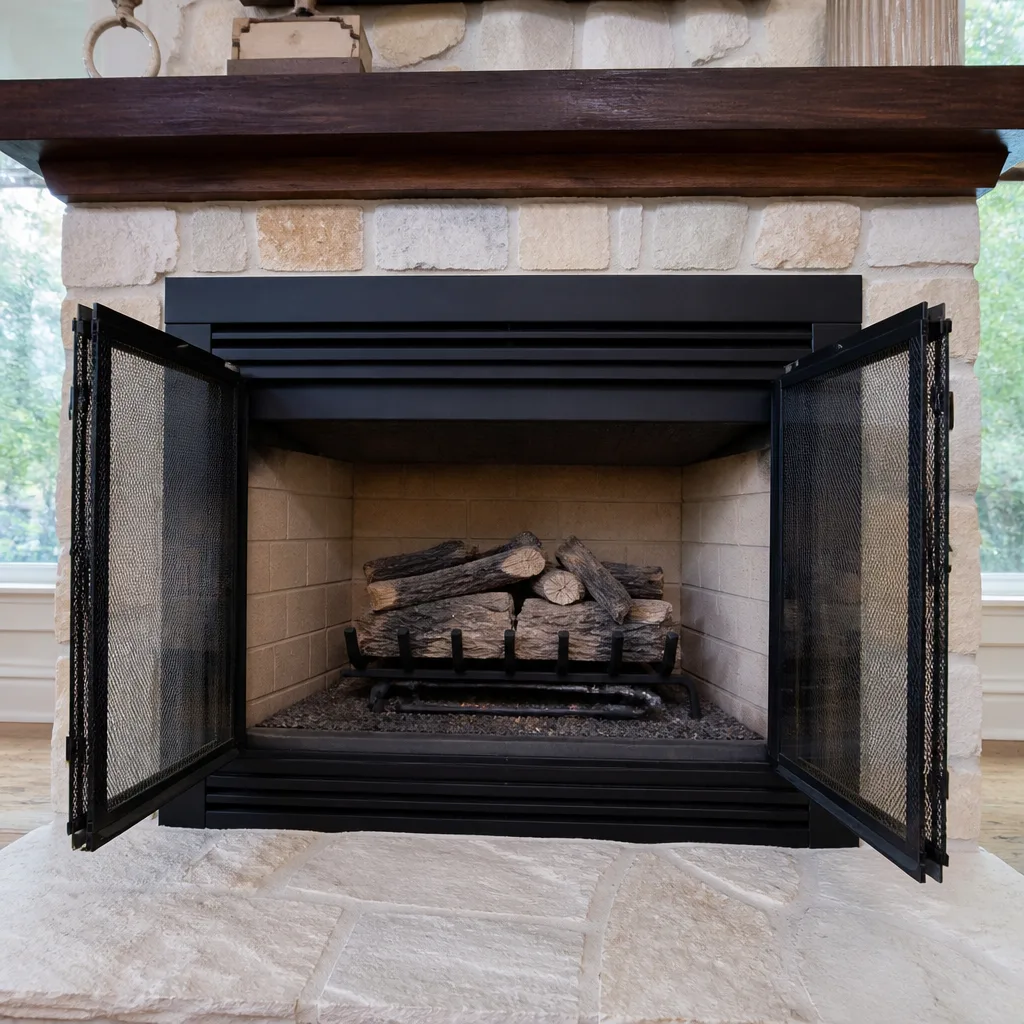 Gas fireplace service
Level 1 sweep and inspection to the NFPA 211 annual standard - flue, crown, cap, and flashing checked and photographed
Chimney sweep logs do not sweep chimneys. They loosen some creosote - which then falls where a brush and vacuum still have to collect it.
Chimney Cleaning Permits, Codes & Inspections in Roseville, CA: What You Need to Know
Here’s the part that surprises most homeowners: the cleaning itself doesn’t require a permit in California. The repairs that follow often do. If a chimney company discovers your flue needs relining and completes the work without pulling a permit, your homeowner’s insurance can deny a fire claim tied to that work, and a buyer’s inspector can flag the unpermitted improvement years later. Neither outcome is rare. This guide walks through what California’s Title 24 and the Roseville Municipal Code actually say about chimney maintenance versus repair, which jobs in Placer County trigger a building permit, how to verify permit history before you buy a Roseville home, why NFPA 211 matters to your adjuster even though it isn’t a government code, and what documentation a professional sweep hands you after an inspection.
Quick Answer
Chimney sweeping in Roseville, CA does not require a building permit. Chimney repairs do, in most cases: liner replacement, firebox reconstruction, and structural masonry work on the exterior of the chimney typically require a permit from the City of Roseville’s building department, and the work should be inspected before the fireplace goes back into service. Inspections themselves are governed by NFPA 211, the national standard insurance adjusters and home inspectors reference when a claim or a sale is on the line.
Styles & brands we work with
- Sweep & inspection
- Caps & crowns
- Flue relining
- Masonry repair
- Gas fireplace service
Table of Contents
- Chimney Maintenance vs. Chimney Repair: Where the Permit Line Sits
- What California Title 24 and the Roseville Municipal Code Actually Say
- Which Chimney Repairs in Placer County Trigger a Building Permit
- How to Verify Permit History Before Buying a Roseville Home
- NFPA 211: The Standard Your Insurance Adjuster Actually Reads
- The Documentation a Certified Sweep Provides After a Sweep and Inspection
- Common Mistakes to Avoid
- When to Call a Professional
Chimney Maintenance vs. Chimney Repair: Where the Permit Line Sits
The permit question only becomes confusing when people use “chimney work” to mean one thing. California’s building code treats routine maintenance and physical alteration as two different categories, and the line between them is the single most useful thing to understand before you hire anyone in Roseville.
Maintenance covers anything that keeps the chimney in the condition it was built in: sweeping creosote and soot from the flue, removing a bird’s nest, replacing a worn chimney cap with a like-for-like part, re-sealing a crown that has started to crack, and visual inspection of the firebox, damper, and flue. None of these change the structure or its venting capacity. None of them normally require a permit.
Repair, in the code’s eyes, means altering the chimney system. That includes:
- Replacing a clay tile flue liner or installing a stainless steel liner system
- Rebuilding the firebox or firebrick that has spalled or cracked
- Rebuilding masonry above the roofline, including the crown and the top few courses
- Adding, removing, or relocating a chimney, flue, or vent
- Changing the appliance the chimney serves, such as swapping a wood stove for a different stove
Each of those changes how the chimney performs under heat and how it vents combustion gases. That’s why they sit on the permit side of the line. A company that does not pull a permit for a reline is either unaware of the rule or working around it, and neither is good news for a homeowner. Our focus on Chimney Sweep Roseville is built on the assumption that work inside the chimney deserves the same paper trail as a room addition. If it changes the structure, it goes through the city.
What California Title 24 and the Roseville Municipal Code Actually Say
Two different rulebooks are in play, and homeowners often assume one covers the other. Here’s the practical version of each.
Title 24 is California’s building energy efficiency standard. It controls how fireplaces and chimneys interact with the envelope of the house: the air-sealing around a chimney where it passes through a wall or ceiling, the requirements for gas fireplaces versus wood-burning units, and the insulation values in adjacent construction. It does not say anything about how often to sweep your chimney. What it does mean is that when a chimney is altered or re-lined, the energy code can apply to the areas it touches, and a licensed contractor is responsible for meeting it.
The Roseville Municipal Code adopts the California Building Code and California Residential Code locally, and those in turn adopt the International Building Code and the mechanical code. Those are the provisions the City of Roseville’s building department enforces when you apply for a chimney permit. Specific requirements are updated every code cycle, so we always tell homeowners to verify current provisions with the City of Roseville Community Development Department rather than rely on what a contractor says on the phone. If a contractor can’t point you to a code section or a permit portal, that’s a sign to keep asking questions.
Does the Roseville Municipal Code Require Regular Sweeping?
No. Local code does not set a sweeping schedule for a wood-burning fireplace in a single-family home (restaurants and commercial solid-fuel appliances are a different matter). Frequency is driven by how much you burn, what you burn, and the geometry of your flue. Our practical default is annual inspection with sweeping as needed, which is what most insurers and chimney professionals recommend. Our technicians have up to 9 years of experience reading the difference between a chimney that needs sweeping now and one that can go another season.
Which Chimney Repairs in Placer County Trigger a Building Permit
Here’s a direct answer to the question we hear most often: a liner replacement is not a cosmetic repair. It is a structural change to the venting system, and in Placer County, as in most California jurisdictions, that requires a permit from the local building department. So does any other repair that materially changes the chimney’s structure.
The following table lays out the usual permit status by job type. Always confirm the specific requirement with the City of Roseville building department before work starts, since adoption cycles and local amendments change the details.
- Chimney sweep and cleaning – no permit required
- Level I visual inspection – no permit required
- Chimney cap replacement, like-for-like – normally no permit
- Crown repair or re-seal (no structural change) – normally no permit
- Stainless steel liner installation (DuraFlex, Olympia Chimney, or equivalent) – permit required in most jurisdictions
- Firebox or firebrick rebuild – permit required
- Chimney fire damage repair affecting structure – permit required, plus insurance documentation
- Removal or relocation of a chimney – permit required
- Exterior masonry repair above the roofline – usually requires a permit
- HeatShield ceramic flue resurfacing – permit status varies; confirm with the city, since it’s a restorative treatment inside the existing tile system rather than a new liner
We specify DuraFlex and Olympia Chimney liner systems by name because they’re purpose-built components designed for a specific job and recognized by the industry. Off-brand substitutes that show up in a hardware store aisle often don’t carry the listing an inspector will look for. When you see a stainless liner installed under permit and inspected, you’re looking at a chimney that will hold up both physically and in the record. For more on this side of the work, see chimney repair.
How to Verify Permit History Before Buying a Roseville Home
Any chimney work that required a permit should show up in the city’s records, and that record is something a buyer can check before closing. If a home you’re considering in Roseville has a liner, a firebox rebuild, or a fully reconstructed chimney, verify it. Here’s the process.
- Ask the seller for the disclosure and any documentation. California requires sellers to disclose known material defects and any permitted work; ask specifically about chimney repair, relining, and fireplace changes.
- Contact the City of Roseville Community Development Department (Building Division). Ask whether the property address has any open, completed, or expired permits related to chimney, fireplace, or flue work. Records are typically searchable by property address through the city’s permit portal.
- Cross-check against Placer County records if the home is outside Roseville city limits. Unincorporated Placer County properties are permitted through the county, not the city.
- Pull the permit and check its final inspection status. A permit that was pulled but never finaled is a red flag: the work was started and not verified.
- Have a chimney professional perform a Level II inspection once you’re serious, especially if the fireplace or stove has been used, relined, or repaired at any point. A Level II inspection with a camera can identify the condition of the flue interior regardless of paperwork.
Even a clean permit history doesn’t tell you whether the liner is sound. Paperwork documents the work; a camera inspection documents the condition today. We often recommend both, and we tell buyers when the inspection reveals work that can safely wait, because a chimney inspection isn’t a formality. Consider it a fire-safety checkpoint.
NFPA 211: The Standard Your Insurance Adjuster Actually Reads
NFPA 211 is the national standard for chimneys, fireplaces, vents, and solid-fuel-burning appliances, and it’s the benchmark your insurance adjuster and your home inspector are most likely to reference, even though it isn’t a government code. It defines three inspection levels, and the level matters when a claim, a sale, or a change of appliance is involved.
- Level I: A visual inspection of accessible portions of the chimney and appliance, done routinely when conditions haven’t changed. This is the standard visit that pairs with an annual sweep.
- Level II: A more thorough inspection that includes a camera scan of the flue interior and access to concealed areas. Required after a chimney fire, after a change of appliance, after a change of fuel source, after a property sale, or when a Level I finds something concerning.
- Level III: The most detailed inspection, involving access to parts of the chimney that are normally concealed (like through masonry or roofing). It’s performed when a Level I or II findings warrant it or when damage is suspected at a hidden location.
Why this matters: an adjuster reviewing a fire claim on a chimney will want to know the chimney’s condition before the fire and whether the fire was caused by a defect that a reasonably diligent homeowner should have caught. A Level II inspection report with photos and a documented flue condition is the kind of evidence that clarifies the picture. We reference NFPA 211 levels explicitly in our inspection reports, and our technicians work to those standards on every visit, whether it’s a routine sweep or a pre-purchase inspection.
The Documentation a Certified Sweep Provides After a Sweep and Inspection
Here’s what a competent sweep should hand you when the visit is done, and why each piece matters.
- A written inspection report stating the NFPA 211 level performed. It should say whether you had a Level I, II, or III inspection and list what was accessible and what wasn’t.
- Photos of the flue interior if a camera was used. Camera evidence lets you see the condition of the liner for yourself instead of taking someone’s word that the chimney needs thousands of dollars of work.
- A description of what was swept and how much creosote was removed, with the degree of creosote noted (stage 1, 2, or 3 in industry language). Stage 3 is a fire hazard and calls for immediate attention.
- Any recommended repairs, with a clear distinction between “must do now” and “can wait.” A safety-focused report tells you plainly when work can safely wait. If a flue is sound, a professional will tell you so.
- Whether the recommendation triggers a permit. If the report calls for a reline, the report should note that a permit will be needed and the work will need inspection.
- Contractor information and the products specified. For a liner replacement, this means naming the system being installed (DuraFlex, Olympia Chimney, or another recognized brand), and for flue resurfacing, naming HeatShield if that’s the method recommended.
That last point matters at claim time and resale time. A homeowner who can produce a professional inspection report, photos of a sound flue, and records of a permitted reline has documentation that satisfies insurance disclosure and buyer inspection. A homeowner who can produce nothing has a chimney of unknown condition and no defense if something goes wrong. We treat every sweep in Roseville as an inspection as well, because the paper trail is half the value.
Common Mistakes to Avoid
- Assuming the sweep will handle the permit. Sweeping doesn’t need one, so the conversation about permits often gets skipped. Ask directly, before any repair is booked, whether the work requires a permit and who is pulling it. In Roseville, that question is worth asking on the first call.
- Trusting a repair quote that doesn’t include a camera inspection. A recommendation to reline without photos of the flue is a recommendation you have no way to verify. Ask to see the camera footage before you sign.
- Letting a liner get installed without a permit or inspection. Unpermitted liner work may void or complicate an insurance claim and will surface during a buyer’s inspection. The cost of doing it right is far smaller than the cost of a denied claim.
- Buying a Roseville home with an unverified fireplace. Even a clean-looking firebox can hide a cracked liner. Pull the permit history and get a Level II inspection before closing.
- Hiring a general handyman for chimney repairs. Liner installation and firebox work require skills and materials specific to the trade. A generalist may not know the difference between a listed liner system and a substitute, or that the job needs a permit at all.
- Treating the annual sweep as optional. Creosote accumulates whether or not you notice it, and how fast it accumulates depends on what you burn and how often. Skipping an annual inspection lets a stage 2 buildup become a fire hazard without warning.
- Ignoring a chimney fire that went out on its own. A small chimney fire can crack a flue and leave it unsafe even after the flames stop. Any chimney fire is a reason to call for a Level II inspection, and not to relight until the flue is checked.
When to Call a Professional
Call a chimney professional if you see any of the following: a strong creosote smell in warm weather, smoke rolling back into the room even on a calm day, visible damage to the firebox brick, a chimney cap that’s missing or askew, water staining on the ceiling near the chimney, or a fireplace that has never been inspected since you moved in. Any chimney fire, even a small one that seemed to burn out quickly, is a reason for a Level II inspection before the fireplace is used again. If you’re buying or selling a Roseville home and the fireplace is part of the deal, book an inspection before closing; that’s the point where the documentation is most useful. Chimney Sweep Roseville offers free estimates in Roseville. Call (833) 946-0150.
Frequently Asked Questions
No. Chimney sweeping is routine maintenance and does not require a building permit in Roseville or anywhere in California. A permit only enters the picture if the sweep uncovers a repair that changes the chimney’s structure, such as a reline or a firebox rebuild. Call (833) 946-0150 for an exact quote on a sweep; estimates are free.
Liner replacement, firebox or firebrick rebuilding, exterior masonry repair above the roofline, and removal or relocation of a chimney all typically require a permit from the City of Roseville or Placer County building department, depending on where the home sits. Routine maintenance like sweeping and cap replacement normally does not. Call (833) 946-0150 for an exact quote; estimates are free.
Contact the City of Roseville Community Development Department, Building Division, and ask whether the property address has any permits on file for chimney, fireplace, or flue work, and whether they were finaled. Homes outside city limits are permitted through Placer County. Then book a Level II chimney inspection with camera to check the condition of the flue today. Call (833) 946-0150 to schedule one; estimates are free.
NFPA 211 is the national standard for chimneys, fireplaces, and solid-fuel appliances, and it defines the three inspection levels insurance adjusters and home inspectors reference. A Level II inspection with camera documentation is the standard evidence in a chimney-related claim or a property sale. We perform inspections to NFPA 211 levels and say so in the report. Call (833) 946-0150 for an exact quote.
Annual inspection, with sweeping as needed, is the practical recommendation for a wood-burning fireplace or stove. How often you actually need the sweep depends on how much you burn, the wood’s moisture content, and the flue design; our technicians will tell you plainly on the first visit whether your chimney can go another season. Call (833) 946-0150 for an exact quote; estimates are free.
Only a camera inspection can answer whether you need a new liner, and a professional should show you the footage so you can see the flue yourself. If a reline is genuinely needed, the work typically requires a permit and an inspection, and using a recognized system like DuraFlex or Olympia Chimney means the installed liner carries a listing an inspector will recognize. Call (833) 946-0150; estimates are free.
The Bottom Line
In Roseville, cleaning a chimney doesn’t need a permit; repairing one often does. California’s Title 24 and the Roseville Municipal Code govern how a chimney interacts with the building, while NFPA 211 sets the inspection standard your insurance adjuster will reference when a claim or a sale is on the line. Verify permit history through the City of Roseville building department before you buy, keep every inspection report and photo a professional gives you, and ask any contractor whether the repair they’re proposing requires a permit and who is pulling it. The paperwork is part of the job, and it’s what protects you when you need it. For a reliable chimney sweep in Roseville, call (833) 946-0150. We answer 24/7. Fast dispatch from 7am to 7pm, Sunday through Friday, and closed Saturday. Estimates are free, and the written estimate sets the final price.
Written by the team at Chimney Sweep Roseville.
See the difference
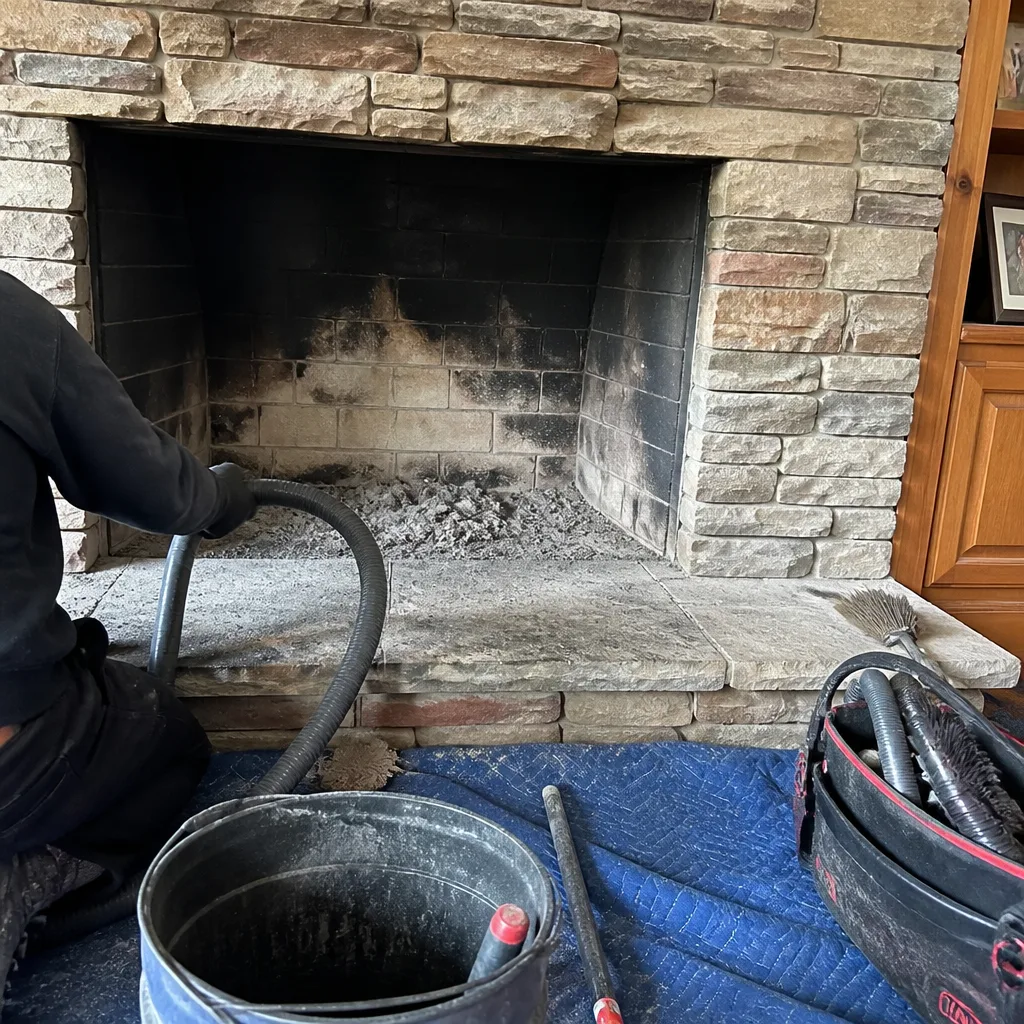 Before
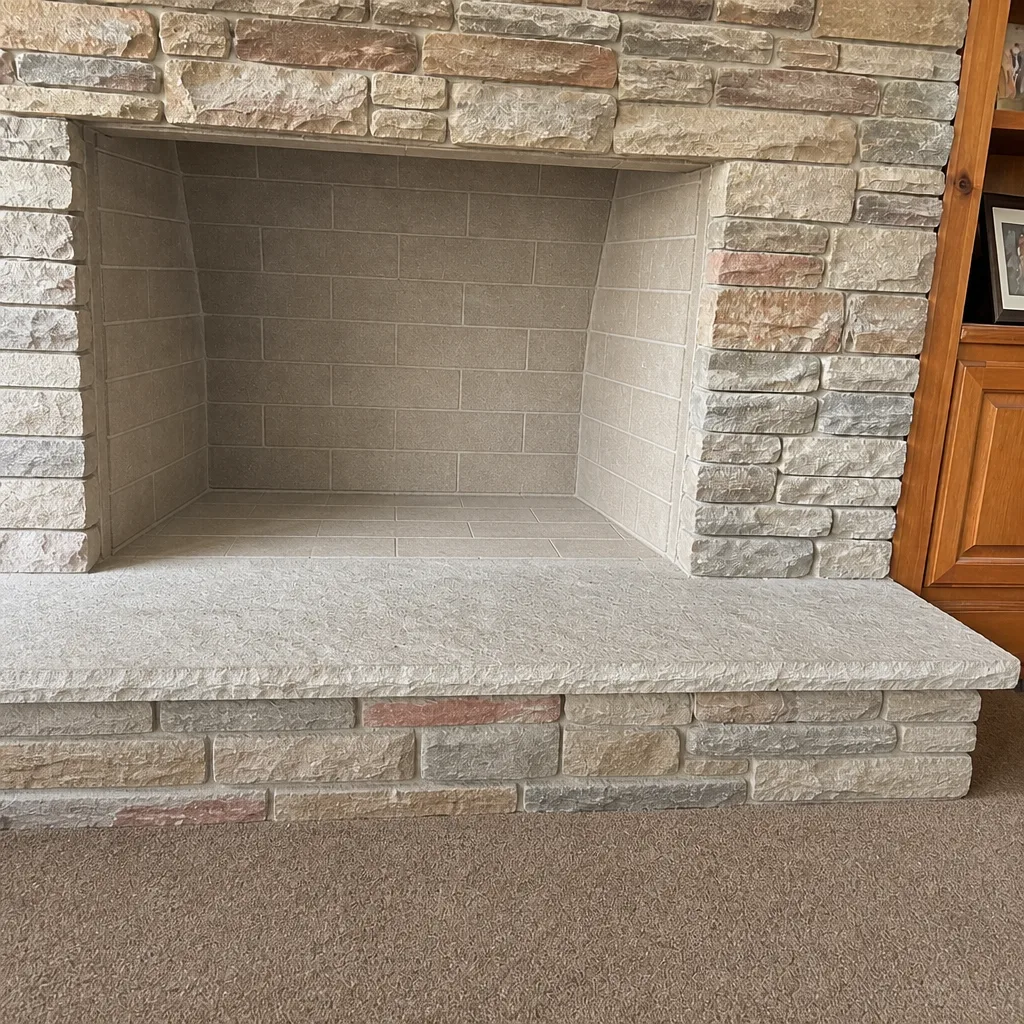 After
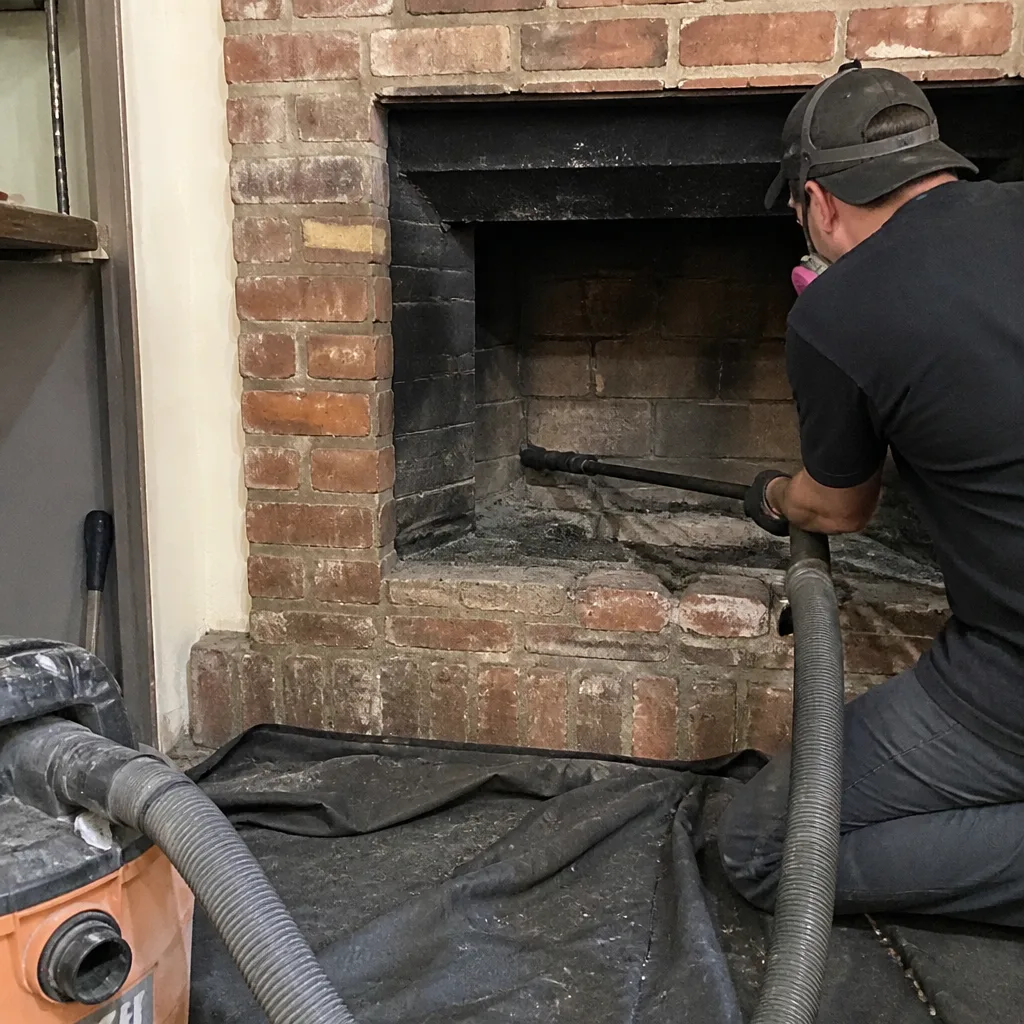 Before
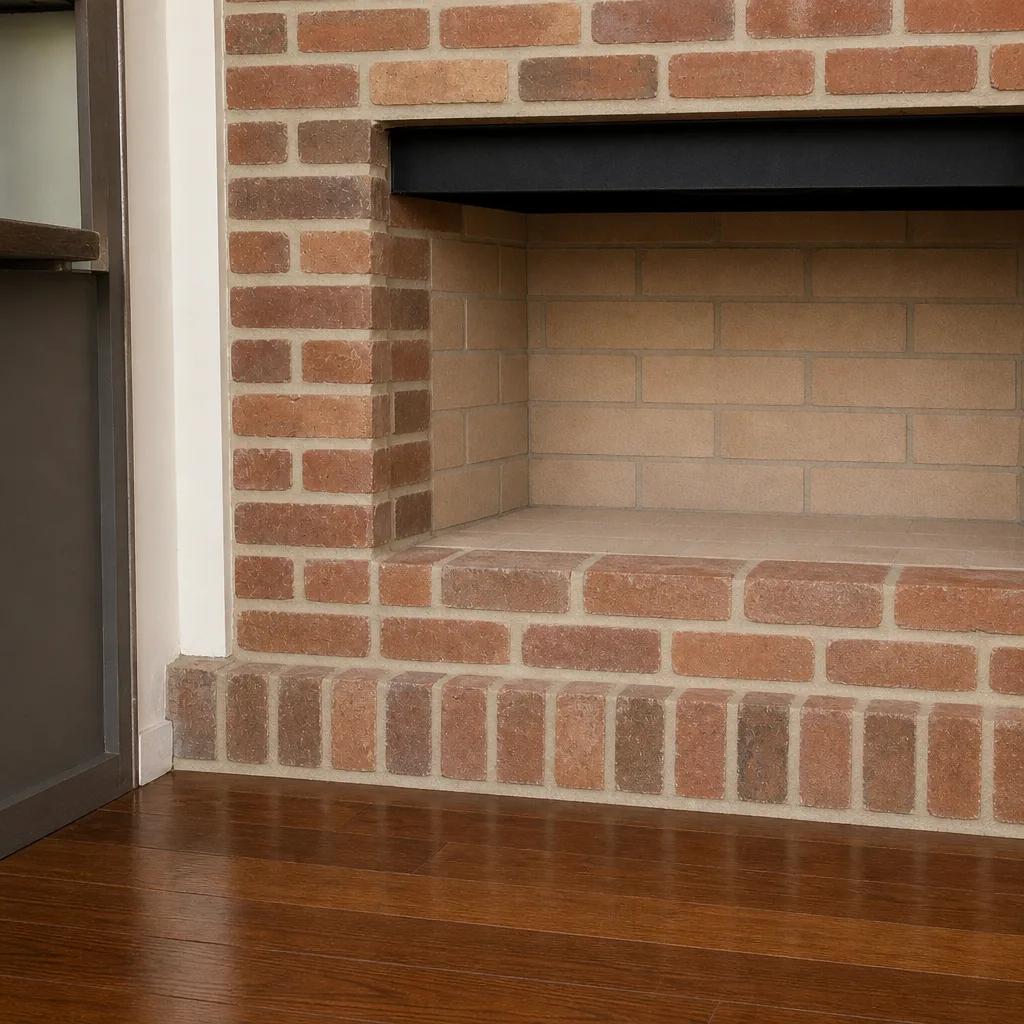 After
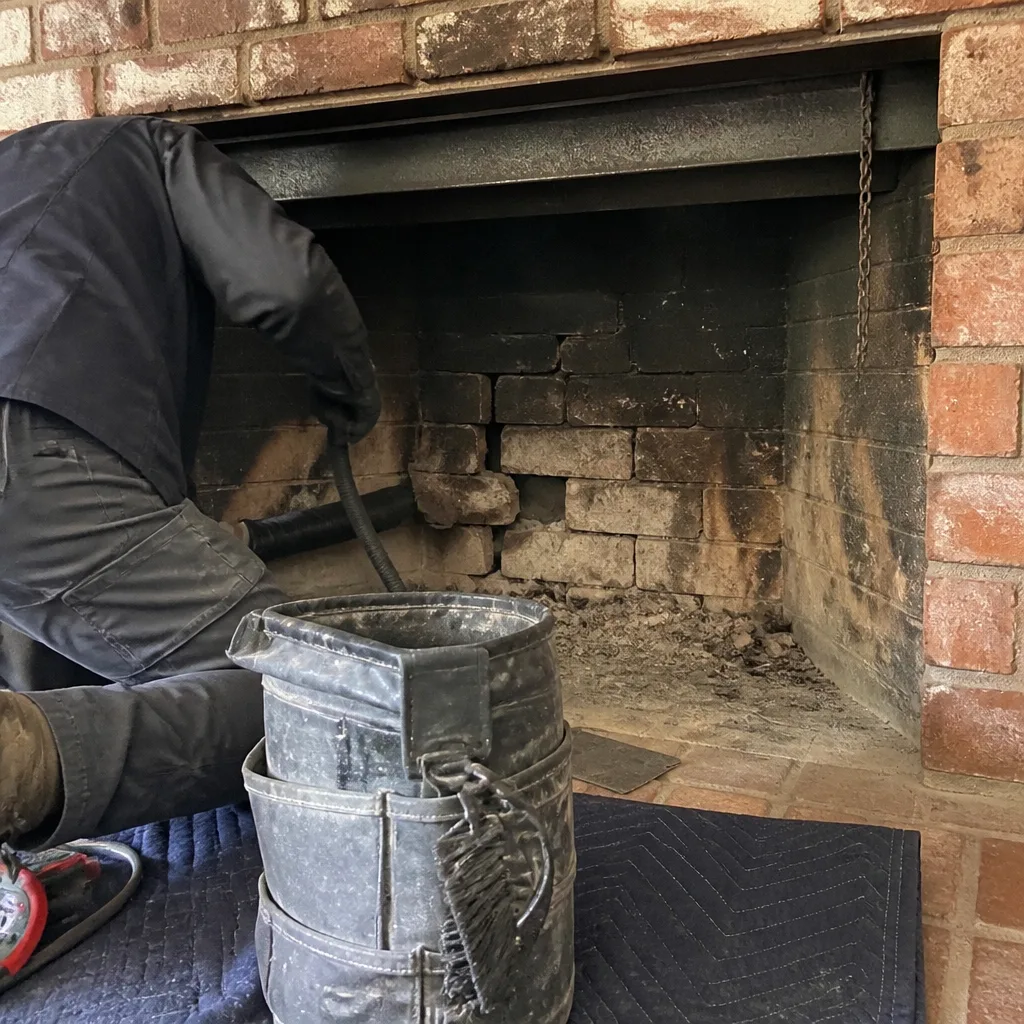 Before
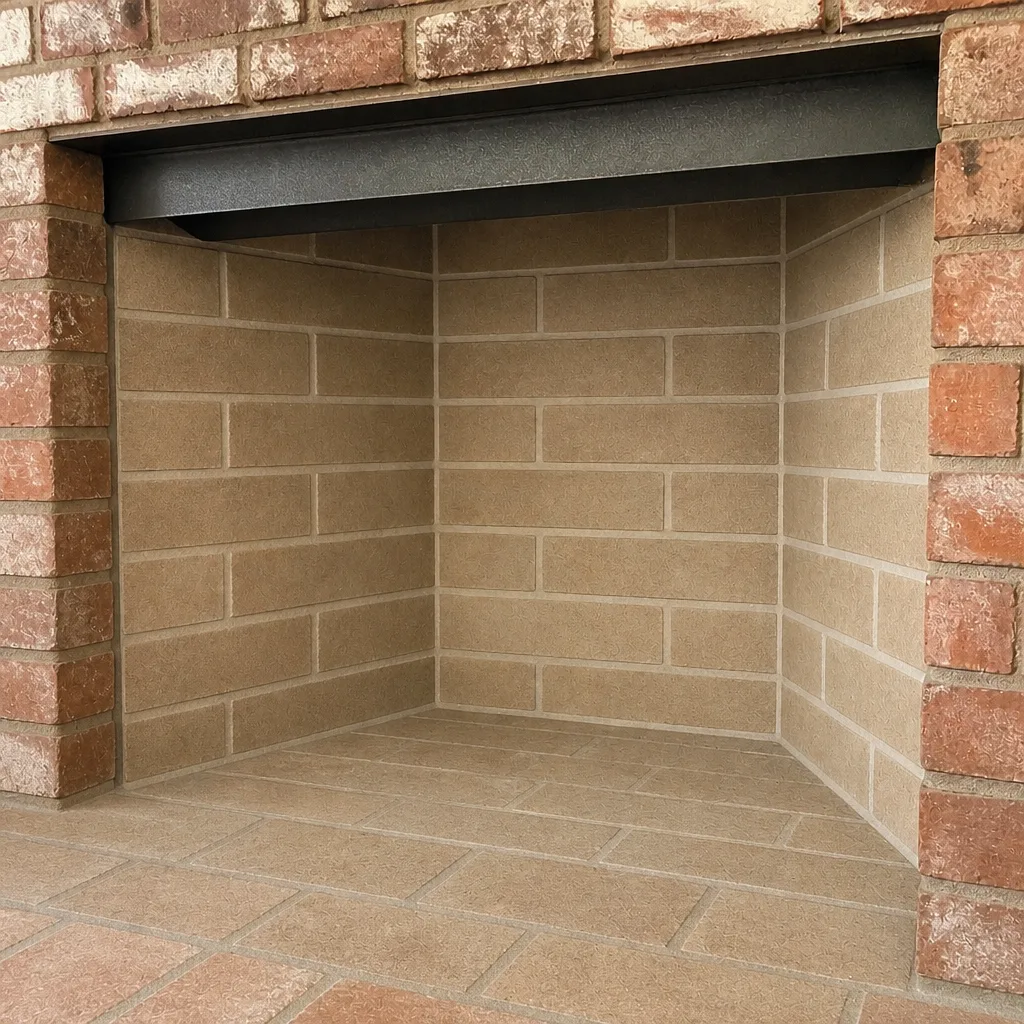 After